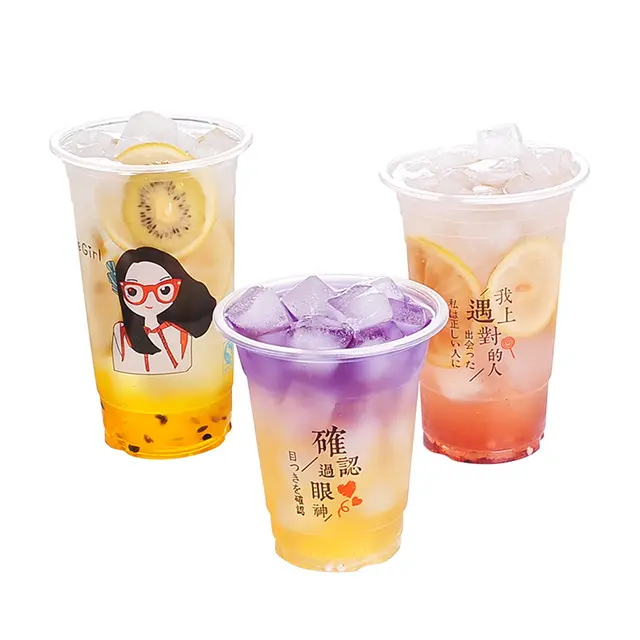
Ever wondered how everyday plastic cups are made? The answer lies in thermoforming, a process that shapes plastic sheets into various forms. Thermoforming machines play a crucial role in manufacturing, offering efficiency and versatility. In this post, you'll learn about the thermoforming process, its importance, and how it revolutionizes plastic cup production.
Understanding the Thermoforming Process
Step-by-Step Guide to Thermoforming
Thermoforming starts by heating a plastic sheet until it becomes soft and pliable. This heating usually happens in an oven integrated into the machine. Once soft, the sheet is quickly moved to a mold where it takes the shape of the mold through vacuum, pressure, or mechanical force. After forming, the plastic cools and hardens, keeping the new shape. The final step trims off any extra material, leaving a clean, finished product ready for use.
Here’s a simple breakdown of the steps:
Heating: Plastic sheet warmed to the right temperature.
Forming: Sheet shaped over or into a mold.
Cooling: Molded plastic cools to solidify shape.
Trimming: Excess plastic removed for a neat finish.
Ejection: Product released from the mold.
This process allows manufacturers to produce a wide range of shapes quickly and efficiently.
Types of Thermoforming Techniques
There are several thermoforming methods, each suited for different applications:
Vacuum Forming: Uses suction to pull the heated plastic sheet tightly against the mold. Ideal for simple shapes and thin materials. Common in packaging, trays, and covers.
Pressure Forming: Adds air pressure on top of vacuum to push the plastic deeper into the mold. This creates finer details and sharper edges. Used when high precision and texture are needed.
Mechanical Forming: Involves pressing the heated plastic sheet into the mold using mechanical force. Best for thicker materials and complex shapes.
Twin-Sheet Forming: Two heated sheets are formed and then pressed together to create hollow, double-walled parts. This technique produces strong, lightweight products like automotive panels or containers.
Each method offers different benefits in terms of detail, strength, and production speed.
Key Materials Used in Thermoforming
Thermoforming mainly uses thermoplastic sheets because they soften when heated and harden when cooled. Some common plastics include:
Polypropylene (PP): Lightweight, flexible, and resistant to heat. Often used for food containers and disposable cups.
Polystyrene (PS): Rigid and clear, making it good for packaging and display products.
Polyethylene Terephthalate (PET): Strong with excellent barrier properties, widely used in food packaging.
Polyvinyl Chloride (PVC): Durable and weather-resistant, used in medical trays and packaging.
Polylactic Acid (PLA): A biodegradable plastic made from renewable resources, gaining popularity for sustainable packaging.
Choosing the right material depends on the product’s purpose, required strength, clarity, and environmental considerations.
Automated Features of Thermoforming Machines
Hydraulic and Electrical Integration
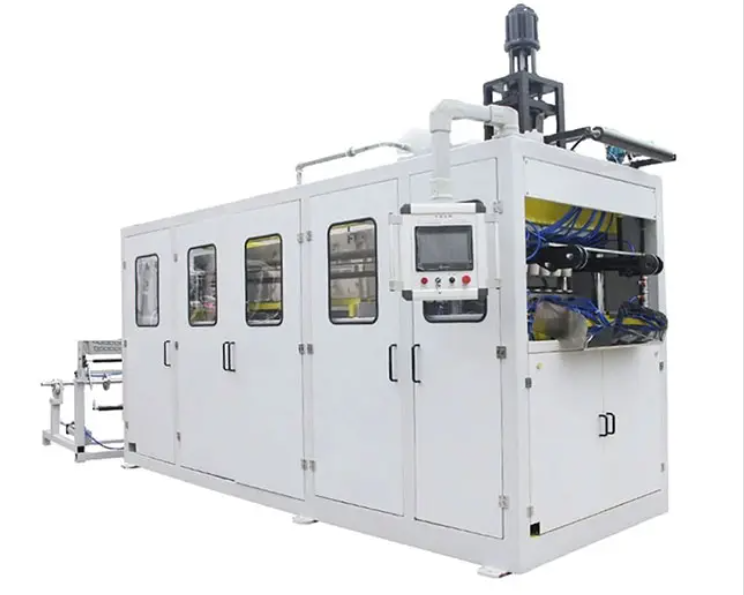
Modern thermoforming machines combine hydraulic power and electrical control systems to deliver precise and reliable performance. The hydraulic system provides the necessary force to shape plastic sheets over molds. Meanwhile, electrical components control temperature, timing, and movement, ensuring consistent operation.
One key aspect is servo stretching technology. It stretches the heated plastic uniformly, reducing defects like thinning or uneven walls. This integration improves product quality and minimizes waste. The hydraulic system’s strength supports stable forming even during high-speed production runs.
Advanced Automation and Control Systems
Automation plays a crucial role in today's thermoforming machines. Features such as automatic roll lifting devices simplify feeding plastic sheets into the machine, reducing manual labor and speeding up setup times.
Mechanical arms and synchronized conveyor systems handle formed parts efficiently. They trim, eject, and transfer cups or containers without human intervention, maintaining steady production flow. Visual monitoring through transparent sliding doors lets operators watch the process and quickly spot issues.
Control systems use programmable logic controllers (PLCs) or touch screen interfaces to adjust parameters like temperature, pressure, and cycle speed. This precise control ensures each product meets strict quality standards. Some machines even incorporate sensors that detect faults or material inconsistencies, triggering alarms or automatic shutdowns to prevent defects.
Benefits of Automation in Thermoforming
Automation delivers several advantages:
Higher Efficiency: Machines run faster and longer without fatigue, increasing output.
Consistent Quality: Automated controls maintain exact conditions, reducing variability.
Lower Labor Costs: Less manual handling means fewer workers needed on the line.
Reduced Waste: Precise control minimizes scrap and material overuse.
Improved Safety: Automation reduces operator exposure to hot surfaces and moving parts.
For example, a thermoforming line producing disposable cups can achieve thousands of units per hour thanks to automation. The system’s ability to monitor and adjust parameters in real time keeps the process smooth and products uniform.
Advantages of Using Thermoforming Machines
Efficiency and High Production Output
Thermoforming machines shine in efficiency. They heat plastic sheets quickly and form them into cups or containers in just seconds. This speed lets manufacturers produce thousands of units per hour, meeting high-demand needs without sacrificing quality. Automation plays a big role here, reducing manual tasks like feeding sheets or removing finished products. This means machines can run longer and faster, boosting overall output.
For example, a modern thermoforming line can produce up to 3,000 disposable cups every hour. The precise control over heating and forming ensures each cup looks consistent, reducing rejects and saving time on rework. Plus, quick changeovers between molds help manufacturers switch cup sizes or designs rapidly, keeping production flexible.
Versatility in Product Design
Thermoforming machines offer incredible design flexibility. They can shape plastic sheets into simple or complex forms, from plain cups to those with intricate textures or logos. Different mold shapes and sizes allow for a wide variety of cup styles, including tapered, straight-sided, or uniquely contoured designs.
This versatility helps brands stand out. For instance, a beverage company might use thermoforming to create custom-shaped cups that fit their brand image perfectly. The process also supports different wall thicknesses, so cups can be made sturdy or lightweight depending on the use case.
Moreover, thermoforming works with many materials like PP, PET, and biodegradable PLA. This allows manufacturers to choose plastics that suit their product’s needs, whether for clarity, strength, or eco-friendliness.
Sustainability and Material Savings
Thermoforming machines contribute to sustainability by minimizing material waste. Since the process forms shapes from flat plastic sheets, it uses almost all the material, with scrap often less than 10%. This high material yield reduces raw plastic consumption and lowers production costs.
Many machines also feature scrap collection systems that recycle leftover trim back into production. This closed-loop approach supports waste reduction goals and promotes circular manufacturing.
Choosing materials like PLA or recycled PET further enhances environmental benefits. Thermoforming machines handle these eco-friendly plastics well, enabling manufacturers to produce sustainable cups without changing equipment.
Additionally, lightweight cup designs reduce plastic use and shipping weight, cutting carbon emissions across the supply chain. These savings add up, making thermoforming an ideal choice for companies aiming to improve their environmental footprint.
Industry Trends and Innovations
Shift Towards Sustainable Materials
The plastic cup thermoforming industry is moving steadily towards sustainability. Manufacturers increasingly adopt eco-friendly materials like PLA (polylactic acid), a biodegradable plastic made from renewable resources such as corn starch. PLA offers a promising alternative to traditional petroleum-based plastics like polypropylene (PP) and polystyrene (PS). Using PLA helps reduce the environmental impact by lowering carbon footprints and supporting compostability in commercial facilities.
Recycled plastics also gain traction. Many thermoforming lines now incorporate recycled PET (rPET) or recycled PP sheets. These materials reduce waste and conserve resources while maintaining product quality. Some machines feature scrap collection systems that recycle trim and defective parts back into production, creating a closed-loop system that minimizes landfill contributions.
Manufacturers balance sustainability with performance by selecting materials that meet both environmental goals and functional requirements. For example, PET remains popular due to its excellent barrier properties and recyclability, making it suitable for food and beverage cups needing freshness preservation.
Integration of AI and IoT in Thermoforming
Smart technologies are transforming thermoforming machines into intelligent production systems. Artificial intelligence (AI) and the Internet of Things (IoT) enable real-time monitoring, predictive maintenance, and process optimization.
Sensors embedded in machines track temperature, pressure, and cycle times. This data feeds into AI algorithms that detect anomalies early, reducing downtime and preventing defects. For instance, if a sensor notices a drop in vacuum pressure, the system can alert operators or automatically adjust settings to maintain consistent quality.
IoT connectivity allows remote access to machine status and performance metrics. Manufacturers can monitor multiple lines from a central control room or even offsite, improving responsiveness and decision-making. Predictive maintenance schedules based on actual machine usage help extend equipment life and cut maintenance costs.
Automation combined with AI also supports faster changeovers between cup designs. By storing optimal parameters for different molds and materials, machines can switch setups with minimal manual intervention, boosting flexibility and reducing waste.
Future Prospects of Thermoforming Technology
The future of thermoforming is bright, driven by continuous innovation. Trends suggest increased adoption of hybrid materials combining biodegradable polymers with recycled content to enhance durability and sustainability.
Advancements in machine design focus on energy efficiency, reducing electricity consumption through better heating elements and insulation. Some next-generation thermoforming machines aim to operate with lower emissions and noise, improving factory environments.
Robotics will play a larger role, handling material feeding, trimming, and packaging to create fully automated production lines. Integration with factory-wide manufacturing execution systems (MES) will enable seamless data flow, improving overall plant efficiency.
Research into new forming techniques, such as ultrasonic or laser-assisted thermoforming, promises higher precision and faster cycle times. These innovations will allow manufacturers to create more complex cup shapes and textures, meeting evolving market demands.
In summary, the plastic cup thermoforming industry embraces sustainability, smart automation, and technological advancements. These trends not only improve production efficiency but also align with global environmental goals, positioning thermoforming as a future-ready manufacturing solution.
Practical Considerations for Operating Thermoforming Machines
Setup and Calibration
Getting a thermoforming machine ready to run smoothly starts with proper setup and calibration. Operators must adjust temperature controls carefully, ensuring the plastic sheet heats just right—too hot can cause thinning, too cold leads to poor forming. Pressure settings need fine-tuning too; the hydraulic system must apply enough force to shape the plastic perfectly without damaging it. Feed rates for the plastic sheets must match the machine’s cycle speed to avoid jams or misfeeds.
Calibration often involves trial runs where operators check the formed parts for defects like uneven walls or wrinkles. Adjustments are made until products meet quality standards consistently. Using digital control panels or PLC systems simplifies this process by allowing precise parameter settings and easy adjustments during production.
Maintenance and Inspection
Regular maintenance keeps thermoforming machines running reliably and extends their lifespan. Hydraulic systems require frequent checks for leaks or pressure drops. Electrical components, including sensors and control units, must be inspected for wear or loose connections. Molds need cleaning and occasional polishing to prevent imperfections on the cups or containers.
Scheduled inspections help catch issues early, preventing costly downtime. For example, worn seals or damaged heating elements can cause inconsistent heating, leading to defective products. Lubricating moving parts and tightening bolts also contribute to smooth operations.
Many manufacturers use maintenance logs and predictive tools to track machine health. This proactive approach reduces unexpected breakdowns and keeps production on schedule.
Training and Quality Control
Operating a thermoforming machine demands skilled operators. Comprehensive training covers machine functions, safety protocols, and troubleshooting techniques. Well-trained operators can quickly identify production issues and make adjustments, reducing waste and downtime.
Training often includes hands-on experience with setup, calibration, and maintenance routines. Understanding how different plastics behave during forming helps operators optimize settings for each material type.
Quality control plays a continuous role during production. Operators monitor output closely, checking for defects like warping, inconsistent thickness, or incomplete forming. Automated inspection systems with cameras or sensors can assist, flagging faulty parts for removal.
Real-time feedback allows operators to tweak parameters immediately, maintaining product quality. Consistent quality control ensures the final plastic cups meet customer expectations and regulatory standards.
Conclusion
This article explores the automated features of plastic cup thermoforming. Key points include efficiency, sustainability, and advanced technologies like AI and IoT. The future of thermoforming in manufacturing looks promising with continued innovation and automation. These advancements enhance product quality and reduce costs. Companies like Wenzhou Yicai Machinery Technology Co.LTD. lead the way by offering cutting-edge solutions. Their products provide significant value, ensuring high-quality production while supporting eco-friendly practices and meeting market demands efficiently.
FAQ
Q: What materials are commonly used in thermoforming?
A: Thermoforming uses thermoplastic sheets like polypropylene (PP), polystyrene (PS), polyethylene terephthalate (PET), polyvinyl chloride (PVC), and polylactic acid (PLA).
Q: How does automation improve thermoforming machines?
A: Automation enhances efficiency, consistency, and safety by reducing manual tasks, maintaining precise controls, and minimizing waste.
Q: What are the benefits of using sustainable materials in thermoforming?
A: Sustainable materials reduce environmental impact, support waste reduction, and align with global eco-friendly goals.
Q: What role does AI play in thermoforming technology?
A: AI optimizes processes, enables real-time monitoring, and supports predictive maintenance, improving machine performance and product quality.


