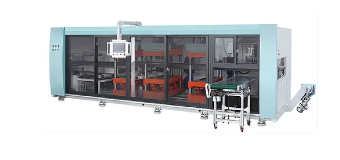
Plastic thermoformingis a widely used manufacturing process for creating packaging products, ranging from food containers and beverage cups to medical trays and retail packaging. Thermoforming involves heating a flat sheet of thermoplastic material until it becomes pliable, then shaping it over or into a mold using vacuum, pressure, or a combination of both. Once the material is cooled and solidified, the excess is trimmed, and the part is ready for use.
Thermoformed plastic packaging is increasingly popular due to its cost-effectiveness, design flexibility, and wide range of applications. In this article, we will explore the key advantages of plastic thermoforming products in the packaging market, highlighting how this process contributes to the efficiency, cost-effectiveness, and sustainability of packaging solutions.
Cost-Effectiveness and Lower Initial Investment
One of the most significant advantages of plastic thermoforming for packaging products is itscost-effectiveness, especially when compared to other manufacturing methods such as injection molding or blow molding.
Lower Tooling Costs: The molds used in thermoforming are generally simpler and less expensive to produce than those used in injection molding. This reduces the upfront investment for packaging manufacturers, making thermoforming an ideal choice for small to medium production runs.
Faster Setup and Production: Thermoforming molds have a quicker turnaround time for production, allowing manufacturers to start producing parts faster. This makes it a particularly attractive option for industries that require rapid prototyping or need to respond quickly to changing packaging needs.
Efficiency in Small to Medium Batches: Unlike injection molding, which often requires high-volume production runs to be cost-effective, thermoforming is ideal for small and medium batches. The lower tooling cost and faster lead times allow companies to meet fluctuating market demands without the need for massive upfront investments.
Material Efficiency: Thermoforming is a material-efficient process. The trimmed excess material (flash) from the edges of the thermoformed part can often be recycled or reused, minimizing waste. This is especially advantageous in industries where cost control is a priority, as material costs can make up a significant portion of overall production expenses.
These cost-saving factors make thermoforming an excellent choice for manufacturers looking for affordable, efficient packaging solutions.
Design Flexibility and Customization
Another significant advantage of plastic thermoforming is its exceptional design flexibility. Thermoforming allows manufacturers to create custom packaging products that are tailored to the specific needs of the product being packaged. Some key design benefits include:
Complex Shapes and Sizes: Thermoforming is capable of producing a wide variety of shapes and sizes, including products with intricate geometries, deep draws, and complex contours. Whether you're looking for simple trays or custom-shaped packaging, thermoforming can meet your needs.
Custom Branding and Features: Packaging is often a critical element in product marketing, and thermoformed packaging can be easily customized with branding elements, logos, textures, and other features. This makes it ideal for creating eye-catching packaging that enhances brand recognition and appeals to consumers.
Variety of Materials: Thermoforming is compatible with a wide range of thermoplastic materials, including polypropylene (PP), polyethylene (PE), polystyrene (PS), and polyethylene terephthalate (PET). Each material offers different properties such as clarity, rigidity, flexibility, and chemical resistance, allowing for tailored packaging solutions for different types of products.
Versatile Thickness Control: The thickness of the plastic can be easily controlled during the thermoforming process, making it possible to create both thin-gauge, lightweight packaging for disposable items and thick-gauge packaging for more durable and protective containers.
This flexibility allows manufacturers to meet a wide variety of packaging needs, from protective clamshells for electronics to sturdy, moisture-resistant food containers.
Speed and Efficiency in Production
Plastic thermoforming offers high production speed and efficiency, making it particularly suitable for packaging applications that require fast turnaround times and high-volume output. The ability to quickly produce a large number of packaging products in a short time is a key benefit for many industries. Some important aspects of thermoforming’s speed and efficiency include:
Short Cycle Times: Once the mold is in place, the thermoforming process itself is relatively fast. Plastic sheets are heated, formed, and cooled quickly, which leads to shorter cycle times compared to other manufacturing methods like injection molding. This allows manufacturers to produce large volumes of packaging products in a shorter period of time, increasing throughput.
Continuous Operation: Thermoforming machines are often designed for continuous operation, meaning that once the machine is set up, it can produce parts in rapid succession with minimal downtime. This continuous production process is ideal for industries with high-volume packaging needs, such as the food and beverage industry.
Automation and Integration: Thermoforming machines can be easily integrated with automated systems for material feeding, forming, cooling, trimming, and stacking. Automation helps reduce labor costs, improve consistency, and increase overall production efficiency.
Low Labor Requirements: Because the thermoforming process is highly automated, it requires fewer operators and less manual intervention compared to other production methods. This reduces labor costs and increases efficiency in manufacturing.
These factors make thermoforming an efficient solution for packaging manufacturers looking to produce high quantities of products quickly and economically.
Protection, Visibility, and Product Presentation
In packaging, functionality and presentation are just as important as cost. Thermoformed packaging excels in providing both protection for the product and enhanced visibility for the consumer. Some key benefits in this regard include:
Product Protection: Thermoformed packaging provides excellent protection for fragile products, such as electronics, medical devices, and consumer goods. The ability to create custom shaped cavities or compartments ensures that products are securely held in place during transport and handling. This reduces the risk of damage, improving product integrity and reducing returns.
Tamper-Evident and Sealed Packaging: Thermoformed packaging can be designed with built-in tamper-evident features, such as perforated seals or snap-tight lids. This is especially important for food packaging, pharmaceuticals, and other products where security and product integrity are essential.
Clear Visibility for Consumers: Many thermoformed packaging products, such as blister packs and clamshells, are made from transparent plastic, which allows consumers to see the product inside. This enhances product visibility and helps attract customers in retail environments. Transparent packaging also enables consumers to inspect the product before purchase, which can improve buying confidence.
Shelf Appeal: Thermoformed packaging is often used to create attractive, custom shaped products that stand out on store shelves. With the ability to design packaging with unique shapes, sizes, and branding elements, manufacturers can create visually appealing products that grab consumer attention.
The combination of protection, visibility, and shelf appeal makes thermoformed packaging an excellent choice for consumer-facing industries.
Lightweight, Durable, and Material-Efficient
Thermoformed plastic packaging is known for its light weight, durability, and material efficiency — making it an attractive option for manufacturers and consumers alike. These characteristics provide several benefits:
Lightweight: Thermoformed packaging is generally lighter than alternatives made from metals, glass, or composites. The reduced weight helps lower transportation costs and makes products easier to handle. Lighter packaging is especially beneficial in industries like food and beverage, where minimizing packaging weight helps reduce shipping costs.
Durability and Strength: Despite being lightweight, thermoformed plastic packaging is durable and resistant to damage. Plastics such as PET, PP, and PS are strong enough to withstand the rigors of handling, stacking, and shipping while still providing the protection needed for the product inside.
Material Efficiency: Thermoforming is a material-efficient process that produces minimal waste. The excess plastic material, or "flash," around the edges of the formed part can often be recycled or reused, reducing overall material consumption. This is especially beneficial for manufacturers looking to reduce costs and environmental impact.
These attributes make thermoformed packaging an attractive choice for companies seeking to reduce packaging weight, protect products, and minimize waste.
Sustainability and Environmental Considerations
Sustainability is an increasingly important factor in packaging design, and thermoforming has several advantages in this regard. While all packaging materials have an environmental impact, thermoformed plastic packaging can be more sustainable compared to alternatives, depending on the material used.
Recyclability: Many thermoformed plastics, such as PET and PP, are recyclable. Manufacturers can use recycled materials in the production of new packaging, reducing the demand for virgin plastic. Additionally, thermoformed packaging is often accepted in curbside recycling programs, making it easier for consumers to dispose of packaging responsibly.
Reduced Material Waste: Thermoforming generates less scrap material than other manufacturing methods like injection molding. The trim waste from the thermoforming process can often be recycled or reused, further reducing material consumption.
Energy Efficiency: Thermoforming generally requires less energy compared to other methods such as injection molding. The shorter cycle times and simpler tooling requirements mean that thermoforming can be a more energy-efficient option for producing packaging.
By using recyclable materials, minimizing waste, and reducing energy consumption, thermoforming can be a more environmentally friendly packaging option compared to traditional alternatives.
Versatility and Wide Range of Applications
Thermoforming is a versatile packaging method that can be used across a wide variety of industries, from food and beverage to electronics and medical devices. Its ability to create custom, cost-effective packaging solutions makes it ideal for numerous applications:
Food Packaging: Thermoformed trays, clamshells, and cups are commonly used to package fresh produce, ready-to-eat meals, and snacks. The ability to create airtight seals and extend shelf life makes thermoformed packaging an ideal choice for food products.
Consumer Electronics: Blister packs and clamshells are often used to package small electronics, providing protection during shipping while allowing consumers to view the product inside.
Medical Devices: Thermoformed trays and protective packaging are commonly used for medical instruments, ensuring sterility and providing secure containment during transportation and storage.
Retail Packaging: Custom thermoformed packaging is widely used for toys, cosmetics, and other consumer products, providing attractive, eye-catching packaging that enhances the product’s presentation on store shelves.
This versatility allows thermoformed packaging to meet the diverse needs of different industries, providing a tailored solution for each application.
Conclusion
Plastic thermoforming offers numerous advantages that make it an ideal choice for packaging products across many industries. The process is cost-effective, offers design flexibility, and produces lightweight, durable packaging. Additionally, thermoformed packaging is efficient, material effective, and can be made with sustainable materials that support recycling efforts.
Whether you're looking for protective packaging for delicate electronics, clear packaging for food products, or tamper-evident packaging for pharmaceuticals, thermoforming provides a versatile and efficient solution. The benefits of thermoforming packaging are clear, and as consumer demands for eco-friendly, cost-effective, and customizable packaging continue to grow, the popularity of thermoformed packaging is likely to increase.
By understanding the advantages of thermoforming in the packaging market, manufacturers can make informed decisions to enhance their production processes, reduce costs, and meet sustainability goals, while delivering high-quality packaging solutions.


