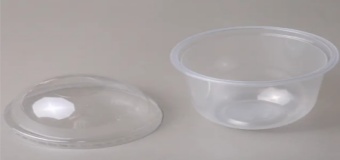
Food packaging plays a crucial role in preserving the quality, safety, and freshness of the products we consume every day. Among the various methods of packaging, thermoforming has become one of the most popular techniques used for creating food packaging containers. The process involves heating a sheet of plastic and then shaping it into the desired form using a thermoforming machine.
In choosing the best sheet material for food packaging, several factors come into play, including durability, safety, cost-effectiveness, and environmental impact. Different materials offer unique benefits and challenges, depending on the nature of the food being packaged and the desired end use.
In this guide, we will explore the different types of sheet materials used in food packaging, their advantages and disadvantages, and how to select the ideal material for your needs. We will also discuss the role of thermoforming machines in the production of food packaging and why it's essential to choose the right sheet material to ensure optimal performance and food safety.
Types of Sheet Materials for Food Packaging
Food packaging materials vary widely, and selecting the right one is essential for ensuring the product's quality, safety, and extended shelf life. Each material has its unique properties and is suitable for different types of food products. In this section, we’ll break down the most commonly used sheet materials in food packaging, discussing their advantages, disadvantages, and typical applications.
1. PET (Polyethylene Terephthalate)
PET is one of the most commonly used materials for food packaging, especially for products like trays, containers, and clamshells. It is widely preferred due to its excellent clarity, which enhances the visual appeal of packaged food. PET is lightweight, durable, and offers strong resistance to impact, moisture, and oxygen, which makes it a great choice for maintaining the freshness of food items.
Advantages of PET for Food Packaging:
High Clarity and Visual Appeal: PET’s excellent transparency makes it ideal for showcasing fresh food products such as fruits, salads, and snacks, allowing consumers to see the contents clearly.
Excellent Barrier Properties: PET has outstanding resistance to moisture, oxygen, and light, which helps to preserve food’s freshness and extend shelf life.
Recyclable and Eco-Friendly: PET is widely recyclable, which makes it a more sustainable option compared to some other plastics. It can be reused and repurposed, helping reduce environmental impact.
Affordable and Widely Available: PET is cost-effective and widely available, making it a go-to material for many food packaging manufacturers.
Applications: PET is commonly used for packaging fresh produce, snacks, ready-to-eat meals, and beverages. Its ability to maintain food quality and showcase products makes it a popular choice for packaging items like salads, fruit, and even deli meats.
2. PS (Polystyrene)
Polystyrene (PS) is another popular material for food packaging, particularly for disposable foodservice items like cups, plates, and trays. It offers a relatively low-cost solution and is easy to mold during the thermoforming process. PS is a versatile material that is widely used in the food industry for both cold and hot food packaging, although it is generally better suited for cold items.
Advantages of PS for Food Packaging:
Disadvantages:
Applications: PS is widely used in packaging chilled or frozen foods, such as deli products, bakery items, and takeout containers. It is commonly found in the packaging of disposable cups, plates, and cutlery, often used in fast food and foodservice industries.
3. PVC (Polyvinyl Chloride)
PVC is a versatile material that is known for its durability and excellent resistance to moisture, oils, and fats. It is often used for food packaging that requires a high level of protection.
Advantages of PVC for Food Packaging:
Disadvantages:
Applications: PVC is typically used in meat packaging, especially for vacuum-sealed packaging.
4. PP (Polypropylene)
Polypropylene is a highly versatile material used for a wide range of food packaging applications. It is resistant to heat and can withstand high temperatures, making it suitable for microwaveable trays and containers.
Advantages of PP for Food Packaging:
Applications: PP is often used in packaging ready-to-eat meals, frozen foods, and microwaveable containers.
5. PLA (Polylactic Acid)
PLA is a biodegradable and compostable material made from renewable resources like corn starch or sugarcane. It has gained popularity in recent years due to its eco-friendly properties.
Advantages of PLA for Food Packaging:
Biodegradable and compostable
Made from renewable resources
Transparent and visually appealing
Disadvantages:
Applications: PLA is commonly used for packaging fresh produce, baked goods, and salads.

Thermoforming Machine and Its Role in Food Packaging
A thermoforming machine is a key piece of equipment in the food packaging process. It works by heating a sheet of material to a soft, pliable state and then shaping it into a mold to form a container or tray. The precision and efficiency of the thermoforming machine play a crucial role in the quality of the final product.
When selecting the best sheet material for food packaging, it’s important to consider how well the material performs during the thermoforming process. The material needs to be malleable enough to form into the desired shape without losing its integrity. Additionally, the material must maintain its strength and barrier properties after forming to ensure that the food remains fresh and protected.
Factors to Consider When Choosing Sheet Material for Food Packaging
Several factors should influence your decision when selecting a sheet material for food packaging:
1. Durability and Strength
The material you choose must be strong enough to protect the food during transport and handling. The packaging should be resistant to tearing, puncturing, and crushing, ensuring that the product stays intact.
2. Barrier Properties
Effective barrier properties are essential for maintaining food freshness and extending shelf life. Look for materials that offer good resistance to moisture, oxygen, and UV light.
3. Food Compatibility
Different foods require different packaging materials. For example, products that need to be frozen or heated in a microwave require packaging that can withstand extreme temperatures. Consider the type of food you're packaging and choose a material that matches its needs.
4. Environmental Impact
With growing concerns about environmental sustainability, it's important to consider the environmental impact of the materials used. Opt for recyclable or biodegradable materials when possible, and be mindful of the overall carbon footprint.
5. Cost-Effectiveness
While performance and food safety are critical, the cost of the material is also an important consideration. Be sure to balance quality and affordability to achieve the best value for your business.
Table: Comparison of Sheet Materials for Food Packaging
Material | Strength | Barrier Properties | Food Compatibility | Environmental Impact | Cost |
PET | High | Excellent | Fresh produce, snacks | Recyclable | Low |
PS | Moderate | Moderate | Chilled or frozen foods | Non-recyclable | Very Low |
PVC | High | Good | Meat, vacuum-sealed | Not eco-friendly | Low |
PP | High | Excellent | Microwaveable foods | Recyclable | Low |
PLA | Moderate | Good | Fresh produce, baked goods | Biodegradable | High |
Conclusion
Choosing the right sheet material for food packaging is a crucial decision that impacts both the quality of the product and its environmental footprint. By understanding the strengths, limitations, and applications of each material, you can select the best option for your specific needs. Whether you're using a thermoforming machine for packaging fresh produce, ready-to-eat meals, or bakery goods, the right material will ensure optimal food safety, quality, and customer satisfaction.
For more information on the best sheet materials for food packaging, and to explore how thermoforming machines can enhance your packaging process, feel free to contact Wenzhou Yicai Machinery Technology Co., Ltd. Their expertise and state-of-the-art technology can guide you in selecting the perfect material for your packaging needs.
FAQ
1. What is the best material for packaging frozen foods?
The best materials for frozen food packaging are those with excellent barrier properties, such as PET and PP. These materials help maintain food quality during freezing and thawing.
2. Can I use PLA for hot food packaging?
While PLA is an eco-friendly option, it is not ideal for hot food packaging due to its lower heat resistance compared to other materials like PP or PET.
3. Is PS a good choice for food packaging?
PS is widely used for packaging chilled or frozen foods, but it is not suitable for high-temperature applications. It also has limited recyclability.
4. How do I choose between PET and PP for packaging?
PET is ideal for high-clarity packaging, while PP is better for microwave-safe containers. Both materials offer excellent barrier properties, but PP has a higher heat tolerance.


