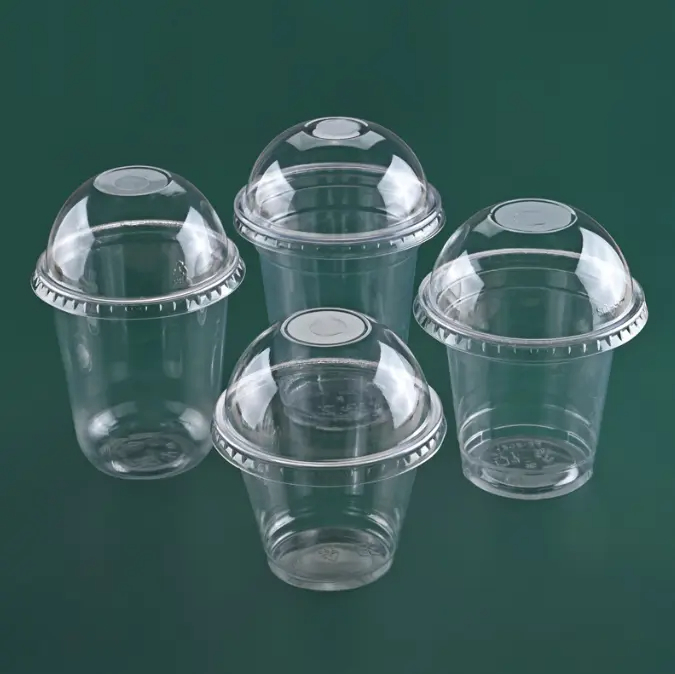
Plastic cup thermoforming machines are essential tools in the manufacturing process of plastic cups, commonly used in the food and beverage industry. These machines use heat and pressure to form plastic sheets into specific shapes, such as cups, trays, or containers. However, like any mechanical equipment, plastic cup thermoforming machines can face operational issues that affect their efficiency and output quality.
This article will delve into the common problems associated with plastic cup thermoforming machines, focusing on the causes, impacts, and potential solutions to these issues. It will also provide an in-depth analysis of how these problems affect the production process and the quality of the final product. Additionally, we will examine troubleshooting methods and best practices for maintenance.
Common Problems and Troubleshooting
1. Inconsistent Forming or Poor Mold Filling
One of the most prevalent issues with thermoforming machines is inconsistent forming or poor mold filling. This problem occurs when the plastic material does not fully fill the mold, leading to defective cups with uneven walls, holes, or incomplete shapes.
Causes:
Insufficient Heating: If the plastic sheet is not heated evenly or adequately, it may not soften enough to form a complete shape.
Improper Mold Alignment: Misalignment of the mold or mold wear can cause incomplete filling.
Insufficient Vacuum Pressure: Thermoforming machines rely on vacuum pressure to suck the plastic sheet into the mold. If the vacuum pressure is too low, the material may not conform properly.
Solutions:
Optimize Heating Settings: Adjust the temperature and heating time to ensure the plastic reaches the ideal forming temperature.
Check Mold Alignment: Ensure the mold is properly aligned and that there is no excessive wear.
Increase Vacuum Pressure: Regularly check and calibrate the vacuum system to maintain consistent pressure.
2. Wrinkling and Folding of Plastic Sheets
Wrinkling or folding of the plastic sheet during the forming process can occur due to uneven stretching or insufficient mold design. This results in cups with visual defects and weakened structural integrity.
Causes:
Incorrect Sheet Temperature: If the plastic is not heated uniformly, it may stretch unevenly, causing wrinkles.
Inappropriate Mold Design: A poorly designed mold can cause the plastic to fold over itself during the forming process.
Excessive Draw Ratio: The ratio of the mold cavity depth to the thickness of the plastic can be too high, leading to excessive stretching and wrinkling.
Solutions:
Optimize Temperature Control: Ensure the plastic sheet is uniformly heated to prevent uneven stretching.
Modify Mold Design: Ensure the mold has smooth surfaces and proper shape to guide the plastic evenly.
Adjust Draw Ratio: If the draw ratio is too high, adjust it to allow for more controlled stretching and prevent wrinkles.
3. Inconsistent Wall Thickness
Inconsistent wall thickness is another common problem, where some parts of the cup are thicker than others. This can result in structural weaknesses, affecting the cup's usability and strength.
Causes:
Uneven Heating: If the heating elements are not functioning optimally, some areas of the sheet may remain cooler than others, causing inconsistent stretching.
Mold Issues: Worn or improperly aligned molds can cause uneven pressure distribution, leading to inconsistent wall thickness.
Insufficient Material Flow: If the material does not flow evenly into all areas of the mold, it can lead to areas of thicker or thinner plastic.
Solutions:
Check Heater Calibration: Regularly check the calibration of heating elements to ensure even heating.
Ensure Proper Mold Alignment: Regularly inspect and align molds to ensure that pressure is evenly distributed across the entire sheet.
Monitor Material Flow: Adjust the material feed rate to ensure that it flows evenly into the mold.
4. Excessive Flash or Overlapping Material
Flash refers to the excess plastic that spills over the edges of the mold, often occurring during the forming process. This problem can result in a messier production process and may require extra trimming, increasing labor costs.
Causes:
Overheating: If the plastic is heated too much, it becomes more pliable and may spill over the edges of the mold.
Excessive Pressure: Too much pressure during the forming stage can cause the plastic to flow over the edges.
Mold Design Flaws: Molds with sharp edges or improper seals may lead to excess material escaping the mold.
Solutions:
Reduce Heating Temperatures: Adjust the temperature to ensure the plastic is at an optimal forming temperature without being overly soft.
Regulate Forming Pressure: Adjust the pressure applied during the forming stage to avoid excess material flow.
Revise Mold Design: Modify the mold to ensure proper sealing and prevent excess plastic from spilling out.
5. Deformed or Misaligned Cups
Misalignment or deformation of cups can occur when the mold is not aligned properly, or the thermoforming machine's components are out of sync. This leads to cups with uneven edges, poor structural integrity, and visual defects.
Causes:
Mold Alignment Issues: If the molds are not properly aligned or secured, the plastic may form in a misaligned manner.
Uneven Pressure Distribution: Uneven pressure during the forming process can cause cups to deform or become misaligned.
Faulty Mechanical Components: Worn-out mechanical parts, such as the heating element, vacuum system, or forming press, can cause deformations.
Solutions:
Regular Mold Maintenance: Ensure the molds are properly aligned and regularly inspected for wear and tear.
Even Pressure Distribution: Ensure that the forming machine provides even pressure across the entire mold.
Inspect Mechanical Parts: Regularly inspect and maintain mechanical components to ensure they function properly.
6. Poor Product Quality or Surface Defects
Surface defects such as blemishes, uneven gloss, or discoloration can occur during the thermoforming process. These defects affect the overall aesthetic quality of the cups, which may be crucial for branding and customer satisfaction.
Causes:
Inconsistent Heating: Uneven heating can lead to areas of the plastic with different textures or colors.
Contaminated Plastic: If the plastic material is not clean, it can cause surface imperfections.
Poor Mold Condition: Worn or scratched molds can transfer defects onto the plastic during forming.
Solutions:
Optimize Heating Parameters: Ensure that the plastic is uniformly heated to prevent surface defects.
Use High-Quality Plastic: Ensure that the plastic material is clean and free from contaminants before forming.
Maintain Mold Condition: Regularly clean and inspect the molds to ensure they are free from scratches or damage.
Conclusion
Plastic cup thermoforming machines are essential in the production of a wide range of plastic products. However, like any complex machinery, they are prone to several common problems that can affect both the production process and the quality of the final product. By understanding these issues—such as inconsistent forming, wrinkling, wall thickness inconsistencies, excessive flash, deformation, and surface defects—manufacturers can take the necessary steps to address and prevent them.
Regular maintenance, optimal heating and forming parameters, proper mold design, and attention to mechanical components are essential for minimizing these common problems. By troubleshooting effectively and addressing issues promptly, businesses can improve their productivity, reduce waste, and maintain high-quality standards in their plastic cup production processes.
FAQs
Q1: How often should I calibrate my plastic cup thermoforming machine? Calibration should be performed regularly, typically every few months or after every major production run. However, it is important to check the machine before every production cycle to ensure that it is functioning optimally.
Q2: What should I do if my thermoforming machine is producing cups with excessive flash? Excessive flash can often be corrected by adjusting the forming pressure and reducing the heating temperature. You may also want to check the mold design and ensure that it has proper sealing.
Q3: How can I improve the surface quality of my cups? Improving surface quality can be achieved by ensuring uniform heating, using high-quality plastic materials, and regularly cleaning and inspecting molds for any imperfections.
Q4: Why are my cups coming out with inconsistent wall thickness? Inconsistent wall thickness can occur if the plastic sheet is not evenly heated or if there are issues with the vacuum system. Regularly check the heating elements, vacuum pressure, and mold alignment to resolve this issue.
Q5: How can I prevent deformation of my plastic cups? Deformation typically occurs due to improper mold alignment or uneven pressure distribution. Ensure that molds are properly aligned and that the pressure is evenly applied during the forming process. Regular maintenance of the machine's components is also essential.
If you have any questions, please contact us via email or telephone and we will get back to you as soon as possible.