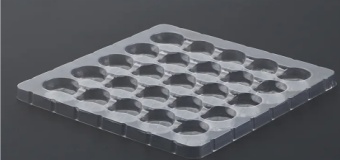
In the world of thermoforming, ensuring consistent wall thickness is a critical factor in producing high-quality products. Whether it’s packaging, automotive components, or consumer goods, the success of thermoformed products relies heavily on uniformity in wall thickness. Inconsistent wall thickness can lead to a range of issues, including structural weaknesses, increased material waste, and overall poor product performance. As industries continue to demand higher standards of precision and efficiency, thermoforming machines have evolved to address these challenges. For manufacturers, understanding how to ensure even wall thickness in thermoforming is essential for optimizing product quality and minimizing costs.
The Importance of Consistent Wall Thickness in Thermoforming
When it comes to thermoformed products, the importance of consistent wall thickness cannot be overstated. The thickness of the walls in a thermoformed product plays a significant role in its structural integrity, functionality, and aesthetic appearance.
Structural Integrity: Uneven wall thickness can lead to weak spots in a product, making it more susceptible to breaking, cracking, or deformation. For instance, packaging that has varying wall thickness may not provide the necessary protection to the items inside.
Material Waste: If a thermoformed product has inconsistent thickness, there’s a higher chance of overcompensation in certain areas, leading to wasted materials. This not only increases production costs but can also contribute to environmental waste.
Product Performance: For industries like automotive or medical equipment, uneven wall thickness can compromise the product's performance. Components made with inconsistent thickness may fail to meet industry standards or functional requirements.
Thus, ensuring uniform wall thickness from the beginning of the thermoforming process is paramount to ensuring a successful outcome.
Factors That Influence Wall Thickness in Thermoforming
Several factors contribute to the consistent or inconsistent thickness of a thermoformed product. Understanding these variables is crucial for manufacturers, as they allow better control over the outcome of their processes, ensuring high-quality, uniform products. Here are the main factors that influence wall thickness in thermoforming:
1. Material Type
Material selection plays a fundamental role in determining the wall thickness consistency of thermoformed products. Different materials have different characteristics that affect their ability to be stretched evenly during the forming process. Thermoplastic materials like PET (Polyethylene Terephthalate), PVC (Polyvinyl Chloride), and ABS (Acrylonitrile Butadiene Styrene) each behave differently when subjected to heat and pressure.
For example, PET tends to have higher stiffness compared to PVC, which may lead to differences in how they stretch across the mold. This behavior influences the consistency of wall thickness across the product. Manufacturers must carefully select materials based on their specific applications, taking into account factors such as temperature resistance, stretchability, and surface finish to ensure consistent wall thickness.
2. Heating Process
The heating process is one of the most critical stages in thermoforming. Inconsistent heating can lead to variations in material behavior, resulting in uneven wall thickness. If the material is not uniformly heated, certain areas may become softer, while others may remain rigid, causing inconsistent stretching when the material is formed into the mold.
Advanced heating systems, such as infrared heaters and heated platens, can help ensure even heat distribution. Uneven heating can also lead to deformation, so it is essential to maintain proper temperature control throughout the heating process.
3. Pressure and Vacuum Levels
The application of pressure or vacuum in the thermoforming machine has a significant impact on achieving uniform wall thickness. If the vacuum is too low or the pressure is insufficient, material may not be evenly distributed into the mold, creating thick and thin spots in the product.
On the other hand, excessive pressure can cause the material to over-stretch, leading to areas that are too thin. Balancing the correct vacuum levels and pressure is crucial for preventing material wastage and ensuring that the product maintains the required structural integrity.
4. Tooling Design
The mold and tooling setup are essential in achieving uniform wall thickness. Molds that are not properly designed can cause uneven material distribution. For instance, sharp corners or narrow sections in the mold can cause the material to accumulate in certain areas, resulting in inconsistent thickness.
Well-designed tooling promotes even material flow, ensuring that the thermoformed product has a uniform distribution. Manufacturers should ensure that molds are regularly maintained, cleaned, and calibrated to prevent any design flaws that could contribute to uneven wall thickness.
5. Machine Calibration
Proper calibration of the thermoforming machine is crucial for maintaining consistent wall thickness. The machine must be calibrated to ensure the precise application of heat, pressure, and vacuum during the forming process. Even slight misalignments in these parameters can lead to inconsistencies in the final product.
Factor | Impact on Wall Thickness Consistency | Key Considerations for Consistency |
Material Type | Different materials have varying stretchability and stiffness, which affects their ability to form consistently across the mold. | Choose materials based on their temperature resistance, stretchability, and surface finish needs. |
Heating Process | Uneven heating can cause some areas of the material to become softer, leading to inconsistent stretching and wall thickness. | Ensure uniform heating using advanced systems like infrared heaters or heated platens. |
Pressure and Vacuum Levels | Low vacuum or insufficient pressure leads to uneven material distribution, while excessive pressure causes over-stretching. | Balance pressure and vacuum to avoid thick/thin spots and ensure uniform material distribution. |
Tooling Design | Poor mold design with sharp corners or narrow sections can cause material accumulation, leading to inconsistent thickness. | Use well-designed molds with optimized features to promote even material flow and wall thickness. |
Machine Calibration | Misalignment in machine settings (heat, pressure, vacuum) can lead to inconsistencies in wall thickness across the product. | Calibrate the machine precisely to ensure optimal application of heat, pressure, and vacuum. |
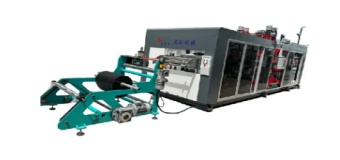
How Thermoforming Machines Help Ensure Consistent Wall Thickness
Advancements in thermoforming machine technology have made it easier to address the challenges of maintaining consistent wall thickness. Modern machines are designed with precise controls that allow operators to fine-tune settings such as temperature, pressure, and mold speed. Here’s how they help:
Advanced Heating Systems: New thermoforming machines feature advanced heating systems that provide more precise and uniform heating of materials. Infrared heaters and heated platens are often used to ensure that the material is uniformly heated before being formed.
Enhanced Pressure Control: Thermoforming machines are now equipped with more sophisticated pressure control systems, allowing operators to maintain consistent pressure levels throughout the forming process. This ensures even distribution of material in the mold.
Vacuum Assist: Machines equipped with vacuum-assist technology can help improve material flow, ensuring that the thermoforming material fills the mold evenly. This helps prevent thinning of material in certain areas, maintaining consistent wall thickness.
Robotic Automation: The integration of robotics in modern thermoforming machines allows for greater precision in terms of material handling and mold placement. Automated systems ensure consistent material feeding, reducing human error and improving wall thickness consistency.
Integrated Sensors and Monitoring Systems: Many machines now include sensors that monitor and adjust key parameters in real-time. These sensors track material temperature, pressure, and thickness, providing continuous feedback to ensure that all settings are optimized throughout the production process.
Best Practices for Ensuring Consistent Wall Thickness
To achieve consistent wall thickness in thermoformed products, manufacturers should adopt best practices that address the factors mentioned above. Here are some key practices to consider:
Regular Calibration of Equipment: Regular calibration of thermoforming machines is essential to ensure that the correct settings are applied. Calibration should be performed at the start of production and periodically throughout the production process to maintain accuracy.
Material Testing: Prior to mass production, testing different materials under specific conditions can help determine the best material choice for the desired consistency. This ensures that material properties align with production requirements.
Optimizing Heating and Pressure: Consistent heating and pressure are key to achieving uniform wall thickness. Invest in machines that offer precise control over these factors to reduce variability in the final product.
Mold Design and Maintenance: Well-maintained molds are essential for consistent results. Ensure that molds are regularly cleaned and checked for any wear that could affect material flow and wall thickness consistency.
Operator Training: Skilled operators play a crucial role in achieving consistent results. Providing comprehensive training on machine setup, material handling, and troubleshooting is essential for minimizing errors and ensuring high-quality products.
Conclusion
Achieving consistent wall thickness in thermoformed products is a critical factor in ensuring quality, minimizing waste, and meeting industry standards. Thermoforming machines play a vital role in achieving these objectives, with modern advancements providing manufacturers with the tools needed to maintain precision throughout the process. By understanding the key factors that influence wall thickness and implementing best practices, manufacturers can optimize their production lines for superior results. For companies looking to invest in high-quality thermoforming machines and solutions, Wenzhou Yicai Machinery Technology Co., Ltd. offers cutting-edge technologies designed to ensure consistent wall thickness and top-tier product quality.
FAQ
What factors affect wall thickness in thermoforming?
Several factors influence wall thickness, including material type, heating process, pressure and vacuum levels, tooling design, and machine calibration.
How can I improve wall thickness consistency in thermoforming?
Ensuring regular calibration, optimizing heating and pressure, testing materials, maintaining molds, and training operators can significantly improve consistency.
What is the role of vacuum assist in thermoforming?
Vacuum assist technology helps evenly distribute the material into the mold, ensuring that the wall thickness remains consistent throughout the product.
Why is material testing important in thermoforming?
Material testing helps determine the best material for achieving the desired wall thickness consistency, ensuring that production requirements are met effectively.


