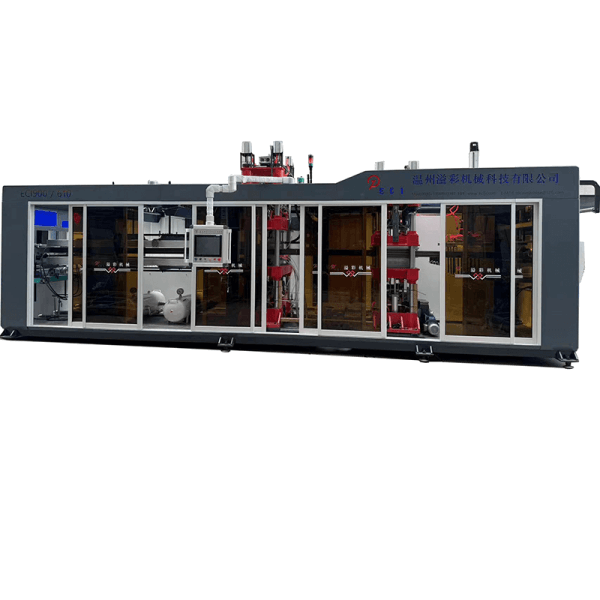
In the modern manufacturing landscape, the demand for efficient, cost-effective, and high-quality plastic product fabrication methods continues to rise. One of the most widely used solutions in this context is the thermoforming machine. These machines play a critical role in shaping plastic materials into a vast array of products we use daily—from disposable cups and food packaging to automotive components and medical trays.
Understanding how a thermoforming machine works is essential for manufacturers, engineers, and even environmentally conscious consumers who are interested in the lifecycle of plastic products. In this article, we'll explore the detailed working mechanism of a thermoforming machine, its applications, comparisons with other technologies like extrusion, and why it remains a vital process in today's industrial world.
What is Thermoforming?
Thermoforming is a manufacturing process that involves heating a sheet of plastic until it becomes pliable, then forming it over a mold to create a specific shape. Once formed, the material is cooled and trimmed to develop the final product. This process is ideal for creating lightweight, cost-effective items with relatively low tooling and material costs.
There are two main types of thermoforming:
The thermoforming machine is the backbone of this process, automating and optimizing each step to improve efficiency, precision, and scalability.
How Does a Thermoforming Machine Work?
A thermoforming machine operates through a series of methodical stages, each crucial to the successful forming of a plastic product. Below is a breakdown of the typical workflow:
1. Feeding the Plastic Sheet
The machine starts by feeding a roll or sheet of plastic into the forming area. Common materials used include:
These plastics are selected based on the product's final use—whether for food safety, durability, transparency, or flexibility.
2. Heating the Plastic
The plastic sheet is then transported to the heating station, where it is subjected to infrared heaters or convection ovens. The temperature is carefully controlled (usually ranging between 120°C to 180°C) to soften the plastic to a pliable state without degrading its properties.
3. Forming the Shape
Once the plastic reaches its forming temperature, it's moved into the forming station. Here, the thermoforming machine forms the sheet over a mold using one of the following techniques:
Vacuum forming: A vacuum removes the air between the sheet and mold, forcing the softened plastic into the desired shape.
Pressure forming: Compressed air is applied from above, pushing the plastic into finer mold details.
Mechanical forming: Additional mechanical plugs assist in shaping deeper or more complex cavities.
4. Cooling
After forming, the plastic is cooled using fans, air jets, or chilled molds. Cooling ensures the plastic retains its new shape and gains sufficient rigidity for further handling.
5. Trimming and Finishing
The final step involves trimming excess plastic from the formed parts. This can be done with:
Steel rule dies for simple shapes
CNC routers for complex geometries
Laser cutters for precision detailing
The thermoforming machine may also include stacking and packing modules to streamline production.
Summary Table: Thermoforming Machine Workflow
| Step | Description | Equipment Used |
| Loading | Feed plastic sheets or rolls into machine | Sheet feeder |
| Heating | Heat sheet to forming temperature | Infrared/convection heaters |
| Forming | Mold the shape using vacuum, pressure, or mechanical force | Forming station |
| Cooling | Solidify shape using fans or chilled molds | Cooling system |
| Trimming | Remove excess material | CNC, die cutters, or lasers |
With state-of-the-art automation, modern thermoforming machines can produce thousands of parts per hour, offering unmatched scalability and consistency.
What is Thermoforming Machine Used For?
A thermoforming machine is used across a wide spectrum of industries. Here's a breakdown of the top application areas:
1. Food Packaging
Plastic trays, lids, containers, and clamshells
Disposable cups and plates
Blister packs for bakery items
2. Medical Industry
3. Automotive
Door panels
Dashboard components
Interior trim parts
4. Consumer Goods
Product packaging
Cosmetic containers
Appliance parts
5. Industrial
Material handling trays
Tool organizers
Protective casings
Common Plastic Products from Thermoforming Machines
| Industry | Product Examples | Material Used |
| Food | Yogurt cups, meal trays | PET, PS |
| Medical | Syringe trays, blister packs | PVC, PETG |
| Automotive | Door panels, consoles | ABS, HDPE |
| Electronics | Clamshell packaging | PET, PVC |
| Retail | Display trays, packaging inserts | PS, PET |
With sustainability becoming a key concern, modern thermoforming machines are also designed to work with biodegradable and recycled plastic materials. This supports the circular economy while maintaining high production standards.
What is the Difference Between Extrusion and Thermoforming?
While both extrusion and thermoforming are used to shape plastic, they are fundamentally different processes with distinct applications.
Key Differences Between Extrusion and Thermoforming
| Feature | Thermoforming | Extrusion |
| Process Type | Molding a heated plastic sheet | Forcing molten plastic through a die |
| Material Form | Sheet or film | Pellets or granules |
| Final Product | 3D shaped items (trays, containers) | Continuous profiles (pipes, sheets) |
| Mold Complexity | Moderate to High | Low |
| Speed | High (batch or continuous) | Very high (continuous) |
| Application Examples | Food trays, packaging, automotive interiors | PVC pipes, window frames, tubing |
Which One Should You Choose?
Thermoforming is ideal for plastic packaging, custom shapes, and detailed parts.
Extrusion is best for high-volume, uniform, and long products like pipes and sheets.
In many manufacturing setups, extrusion and thermoforming machines are used together—extrusion to make the plastic sheets and thermoforming to shape those sheets into final products.
Conclusion
The thermoforming machine is a pillar of modern plastic manufacturing, offering unmatched versatility, cost-efficiency, and scalability. From everyday packaging to high-precision medical equipment, its applications are vast and growing. As sustainability concerns push industries to innovate, the thermoforming machine continues to evolve—now capable of using recycled and biodegradable plastics, integrating AI-driven quality control, and reducing energy consumption.
Understanding how a thermoforming machine works not only helps manufacturers optimize production but also empowers consumers to make informed choices about the plastic products they use.
FAQs
1. What materials can be used in a thermoforming machine?
A thermoforming machine typically works with thermoplastics like PET, PS, PVC, HDPE, and ABS. The choice depends on the product's functional and aesthetic requirements.
2. Is thermoforming environmentally friendly?
Modern thermoforming machines are increasingly compatible with recycled and biodegradable plastic, making the process more sustainable. However, the environmental impact also depends on post-consumer recycling strategies.
3. Can thermoforming machines handle complex shapes?
Yes. With advancements in mold design, pressure forming, and plug assist forming, thermoforming machines can produce highly detailed and complex shapes.
4. What industries benefit most from thermoforming?
Key industries include food packaging, medical, automotive, consumer electronics, and industrial packaging.
5. How does thermoforming compare to injection molding?
Thermoforming is faster and more cost-effective for large, thin-walled parts. Injection molding offers better precision and strength but is more expensive and slower for short runs.
6. What's the lifespan of a thermoforming machine?
With proper maintenance, a thermoforming machine can last 10–20 years or more, depending on usage intensity and build quality.


