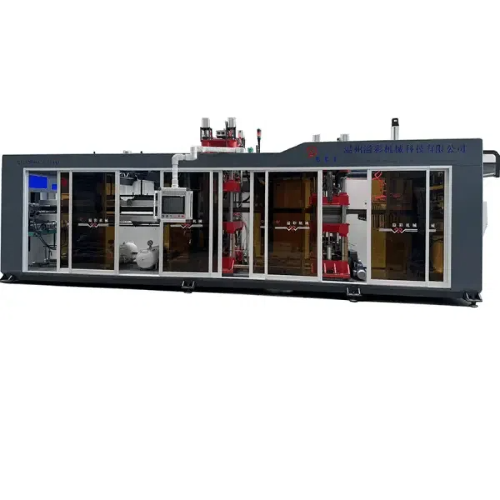
A thermoforming machine is a cornerstone in the packaging, automotive, and consumer goods industries. These machines heat plastic sheets until pliable, shape them using precision moulds, and trim them to create the final product. One critical step that often determines production efficiency and product quality is the mold release process.
Optimizing the mold release process ensures that finished products can be removed from the mould smoothly, without sticking, deformation, or surface defects. This reduces downtime, minimizes material waste, and improves overall workflow. Proper mold release also helps maintain consistent dimensional accuracy, which is especially important for products with intricate shapes or tight tolerances.
In this guide, we will explore strategies to optimize the mold release process in thermoforming machines, including selecting the right release agents, preparing and maintaining moulds, adjusting process parameters, and troubleshooting common issues. By implementing these best practices, manufacturers can maximize throughput, reduce scrap rates, and extend the operational life of both moulds and machines.
Understanding the Mold Release Process in Thermoforming Machines
What is Mold Release?
Mold release refers to the method by which a formed plastic product is separated from the thermoforming mould after shaping. It is an essential part of the production cycle and directly affects product quality, cycle time, and machine efficiency.
The effectiveness of mold release depends on multiple factors:
Plastic material properties: Different polymers have varying adhesion tendencies. Materials such as PET and PVC may stick more readily than PS or PP, necessitating specialized release strategies.
Mould surface condition: Polished, coated, or textured surfaces influence sticking behavior. Even minor scratches or residue can cause sticking or surface defects.
Temperature and pressure: Proper thermal management ensures smooth separation while preventing deformation.
Use of release agents: Lubricants or chemical agents help prevent sticking and surface damage, and their type and application method significantly impact efficiency.
Importance in Production
A smooth mold release process ensures consistent product quality, reduces labor-intensive manual handling, and minimizes the risk of defects such as warping, scratches, or tearing. For high-speed production lines, even small improvements in mold release can significantly increase output and reduce operational costs. Without proper optimization, manufacturers may face increased downtime, higher scrap rates, and reduced overall efficiency, impacting profitability and customer satisfaction.
Common Challenges in Mold Release
Despite careful planning, several issues can arise during mold release:
Product Sticking to the Mould
Caused by incorrect temperature, material choice, or insufficient release agents.
Deformation or Stretching
Plastic may warp if removed too quickly or unevenly. Inconsistent cooling rates across the sheet can exacerbate this problem.
Surface Defects
Scratches, blemishes, or unwanted textures can occur due to residue or poor mould maintenance. Minor imperfections may affect aesthetics or functionality, especially in transparent or highly detailed products.
Residue from Release Agents
Excessive or uneven application can leave deposits on products, affecting downstream operations like printing, labeling, or assembly.
Temperature or Pressure Problems
Improper thermal control can make plastic too sticky or brittle, complicating the release process. Optimizing both heating and cooling cycles is crucial to prevent deformation or sticking.
Common Challenge | Possible Cause | Impact on Production |
Product sticking | Improper temperature or insufficient release agent | Downtime, increased scrap rate |
Deformation or stretching | Uneven cooling or rapid removal | Poor product quality |
Surface defects | Residue or poor mould surface | Cosmetic flaws, reduced customer satisfaction |
Release agent residue | Over-application or uneven coating | Contamination, downstream processing issues |
Temperature/Pressure issues | Incorrect cycle settings | Inconsistent forming, stuck products |
Selecting the Right Mold Release Agents
Types of Mold Release Agents
Choosing the correct release agent is crucial for optimizing thermoforming machine performance:
Liquid Release Agents: Applied with brushes, rollers, or spray systems; suitable for complex or textured surfaces where complete coverage is needed.
Spray Release Agents: Quick application, consistent coating, ideal for high-speed production. Modern automated spray systems allow precise dosing, reducing waste.
Solid Wax-Based Agents: Durable and long-lasting, suitable for repeated cycles. They are particularly effective for high-temperature forming processes.
Food-Safe or Biodegradable Agents: Required when producing packaging for consumable goods. These agents ensure compliance with health and safety standards while providing reliable release performance.
Application Techniques
Apply a thin, even layer to avoid residue buildup and maintain surface quality.
Ensure compatibility with the plastic material, mould type, and production environment.
Follow manufacturer guidelines for drying or curing times to maximize effectiveness and prevent product contamination.
Safety Considerations
Always use release agents in well-ventilated areas to minimize exposure to fumes.
Wear personal protective equipment (PPE) such as gloves, goggles, and masks.
Avoid overuse to prevent contamination of finished products and reduce cleaning frequency.
Mold Surface Preparation and Maintenance
Surface Treatment Methods
Proper mould surface preparation enhances mold release efficiency and extends mould life:
Polishing: Smooths the surface to reduce adhesion and ensures a clean finish.
Coating: Teflon, nickel, or other non-stick coatings reduce friction and minimize sticking during repeated cycles.
Texturing: Controlled textures can facilitate release for certain product designs or aesthetic effects.
Cleaning and Maintenance
Clean moulds regularly to remove residue, dust, or plastic remnants.
Inspect for scratches, dents, or corrosion, which can compromise mold release.
Lubricate moving parts and ensure mechanical systems are functioning correctly to prevent wear or misalignment.
Extending Mould Life
Avoid rapid temperature fluctuations that can warp or crack the mould.
Use compatible release agents to prevent chemical degradation.
Keep detailed maintenance logs to monitor performance trends and predict service needs.
Maintenance Step | Purpose | Frequency |
Cleaning | Remove residue and debris | Daily or between production runs |
Inspection | Detect cracks, dents, or corrosion | Weekly or monthly |
Lubrication | Reduce mechanical wear | Monthly or as recommended |
Surface Treatment | Maintain non-stick properties | As needed |
Process Optimization Techniques
Optimizing the mold release process in a thermoforming machine involves a combination of operational adjustments, technology integration, and workflow management:
Temperature and Pressure Control
Maintain optimal heating to ensure plastic is pliable but not sticky.
Use controlled cooling cycles to solidify products before release, minimizing deformation.
Adjust pressure carefully to prevent over-compression or stress on delicate features.
Automation and Auxiliary Systems
Vacuum or air ejectors: Help lift products gently from moulds while preventing damage.
Robotic arms: Reduce manual handling, maintain consistent release, and improve overall line efficiency.
Integrated sensors: Monitor product separation and alert operators to sticking or misalignment issues.
Production Cycle Management
Optimize cycle time to allow sufficient cooling without slowing production.
Synchronize mould release with conveyor, stacking, or packaging systems to maintain smooth workflow.
Use predictive maintenance data to prevent unexpected downtime during high-volume runs.
Operator Training
Train staff to recognize early signs of sticking or surface defects.
Encourage proper handling of release agents, maintenance routines, and machine parameter adjustments.
Develop SOPs (Standard Operating Procedures) for troubleshooting common issues efficiently.
Monitoring and Troubleshooting
Continuous monitoring ensures a reliable mold release process:
Visual Inspection: Check each product for sticking, deformation, or surface flaws.
Data Recording: Track temperature, pressure, and cycle time to identify trends or deviations.
Problem Diagnosis: Address issues such as sticking, residue, or deformation promptly to prevent escalation.
Continuous Improvement: Adjust release agent type, mould temperature, or cycle timing based on observed performance.
Issue | Diagnostic Check | Recommended Action |
Product sticking | Inspect mould surface and temperature | Adjust temperature, apply release agent |
Surface defects | Visual inspection | Clean mould, polish, or replace coating |
Residue buildup | Examine product and mould | Reduce release agent, ensure even application |
Deformation | Check cycle timing and removal speed | Adjust cooling or demolding process |
Operator error | Review handling and procedures | Provide retraining, update SOPs |
Conclusion
Optimizing the mold release process is essential for maintaining efficiency, product quality, and cost-effectiveness in any thermoforming machine operation. By carefully selecting appropriate release agents, preparing and maintaining mould surfaces, controlling temperature and pressure, and monitoring the process continuously, manufacturers can reduce defects, minimize downtime, and extend mould life.
Investing in an optimized mold release process is not just about preventing production problems—it directly contributes to higher output, consistent quality, and operational efficiency. Companies looking for professional guidance, high-performance thermoforming machines, and advanced mould solutions can benefit from consulting Wenzhou Yicai Machinery Technology Co., Ltd., a trusted supplier specializing in thermoforming systems and accessories.


