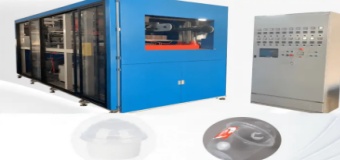
Thermoforming is a widely used manufacturing process that involves heating plastic sheets to a pliable temperature and then shaping them into the desired form using a mold. This process is commonly employed for creating packaging, automotive parts, and consumer goods, among other products. However, selecting the right material for thermoforming is crucial for ensuring the success of the project, particularly when balancing cost and quality.
The choice of material directly impacts the performance, durability, and cost-efficiency of the finished product. Different materials offer varying benefits, and understanding how to select the right one based on factors such as material properties, cost constraints, and production volume is essential for optimizing both the performance and economics of the thermoforming process. At Wenzhou Yicai Machinery Technology Co., Ltd., we understand the challenges that come with material selection and are here to guide you through the process of choosing the best thermoforming materials for your needs.
In this article, we will delve into the factors that influence material selection for thermoforming, including cost considerations, material properties, and the trade-offs between quality and price. By the end, you’ll have a clearer understanding of how to make informed decisions when selecting the right thermoforming material for your specific application.
Factors to Consider When Selecting Thermoforming Materials
When selecting materials for thermoforming, several factors come into play. It’s essential to balance these factors to meet the functional requirements of the product while also staying within budget constraints. Let’s explore these key considerations in detail:
1. Material Properties
The performance and durability of a thermoformed product depend heavily on the properties of the chosen material. Here are some important properties to consider:
Strength and Durability: Materials used in thermoforming must withstand mechanical stress, temperature variations, and environmental conditions. Depending on the application, you may need a material with high impact resistance or one that can maintain strength over time.
Flexibility and Ductility: Some applications require materials that can stretch and deform without cracking. For instance, materials used in packaging applications need to be flexible, while those used in structural components need to retain rigidity.
Surface Finish: If aesthetics are a consideration, you’ll want a material that provides a smooth and glossy finish. Many materials can be coated or treated to achieve the desired surface finish.
Temperature Resistance: Certain thermoformed products may be exposed to high or low temperatures, so materials with good thermal stability are required. Ensure the material chosen can perform well under expected conditions.
2. Cost Considerations
While quality is essential, the cost of materials plays a pivotal role in material selection, especially for large-scale manufacturing. Here’s how to balance cost with quality:
Material Cost: The price of raw materials can vary widely depending on the type of plastic used. For instance, high-performance materials such as polycarbonate or acrylic can be more expensive than standard materials like polystyrene or PVC. It’s important to evaluate whether the performance benefits justify the higher material cost.
Manufacturing Efficiency: Cost can also be influenced by how easy it is to process a material. Materials that are easier to mold and require less energy to form can lower manufacturing costs. For example, PVC is commonly used because it can be formed quickly and cost-effectively.
Waste Management: The ability to reuse scrap material is another factor to consider. Some materials allow for better recycling, which can reduce the cost of waste disposal and help make the process more environmentally friendly.
Volume and Scale: The material cost per unit can decrease with larger production volumes. Therefore, it’s crucial to consider the scale of your production when selecting materials.
3. Environmental Impact and Sustainability
Sustainability is becoming a more important consideration in material selection for thermoforming. As consumers and businesses become more conscious of environmental impact, selecting eco-friendly materials can help align with sustainability goals. Here are a few options to consider:
Recyclable Materials: Choose materials that are easy to recycle, like PET or polystyrene. These materials can be reused after their initial life cycle, reducing environmental waste.
Biodegradable Options: For industries focused on reducing their carbon footprint, biodegradable materials can be a good option. Materials such as PLA (Polylactic Acid) are biodegradable and can break down naturally over time.
Low-VOC Materials: Volatile Organic Compounds (VOCs) can contribute to air pollution and have harmful effects on health. Selecting materials with low or no VOC content can minimize environmental impact.
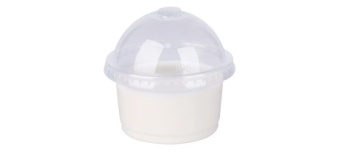
Common Thermoforming Materials: Cost vs. Quality
Let’s explore the most commonly used materials in the thermoforming process and discuss the trade-offs between cost and quality.
1. Polystyrene (PS)
Polystyrene is a popular choice in thermoforming, mainly due to its low cost and ease of processing.
Cost: Polystyrene is relatively inexpensive, making it an ideal choice for budget-conscious projects, especially for packaging, disposable items, and low-strength applications.
Quality: While cost-effective, polystyrene does not offer high durability or temperature resistance compared to other materials, making it less suitable for high-performance or structural applications.
2. Polyvinyl Chloride (PVC)
PVC is another cost-effective material widely used in thermoforming, known for its versatility and resistance to chemicals and environmental stress.
Cost: PVC is affordable and can be used in a wide range of applications, including pipes, siding, and food packaging.
Quality: PVC offers better strength and durability than polystyrene but is less flexible. It also has a lower thermal resistance than materials like polypropylene.
3. Acrylonitrile Butadiene Styrene (ABS)
ABS is a higher-quality material often used in applications requiring durability and impact resistance, such as automotive components and consumer electronics.
Cost: ABS is more expensive than polystyrene and PVC but offers better mechanical properties, making it worth the additional investment for high-quality products.
Quality: ABS has high impact strength, excellent durability, and good thermal properties, making it ideal for demanding applications.
4. Polyethylene (PE)
Polyethylene is one of the most widely used plastics in the world. It offers high flexibility and excellent chemical resistance.
Cost: Polyethylene is relatively inexpensive and is used in applications where flexibility and low cost are important.
Quality: While it offers good resistance to chemicals and moisture, polyethylene’s strength and heat resistance are not as high as other materials like ABS or polycarbonate.
5. Polycarbonate (PC)
Polycarbonate is a high-performance plastic known for its optical clarity, impact resistance, and high heat tolerance.
Cost: Polycarbonate is one of the more expensive materials, and it may not be cost-effective for high-volume, low-budget projects.
Quality: Despite its higher cost, polycarbonate offers exceptional durability, impact resistance, and thermal stability, making it suitable for demanding applications such as protective covers and high-strength components.
Choosing the Right Material: A Cost-Quality Comparison
To summarize, here’s a table comparing some common thermoforming materials based on their cost and quality:
Material | Cost (Low to High) | Durability | Flexibility | Thermal Resistance | Common Applications |
Polystyrene (PS) | Low | Low | Low | Low | Packaging, disposable items |
Polyvinyl Chloride (PVC) | Low to Medium | Medium | Medium | Low to Medium | Pipes, siding, food packaging |
ABS | Medium | High | Medium | Medium | Automotive components, consumer electronics |
Polyethylene (PE) | Low | Medium | High | Medium | Flexible packaging, pipes |
Polycarbonate (PC) | High | Very High | Medium | Very High | Protective covers, high-performance parts |
Conclusion
Choosing the right material for your thermoforming project is crucial to balancing both cost and quality. By understanding the properties of different materials and assessing their suitability for your specific application, you can ensure that your product is both durable and cost-efficient. Whether you’re looking for high-performance materials like polycarbonate or more budget-friendly options like polystyrene, the right material selection will help you achieve the best possible results.
At Wenzhou Yicai Machinery Technology Co., Ltd., we are committed to providing high-quality thermoforming materials and equipment that meet your specific needs. Our expert team is here to help you navigate the complexities of material selection and ensure that you make the right choice for your production process.
Feel free to reach out to us for more information or to explore our range of products. We are here to support your success in thermoforming and help you select the best materials for your applications.
FAQ Section
1. What is the most cost-effective material for thermoforming?
Polystyrene (PS) is one of the most cost-effective materials for thermoforming, making it ideal for applications where low cost is a primary consideration.
2. Can polycarbonate be used in all thermoforming applications?
While polycarbonate offers superior durability and heat resistance, it is more expensive than other materials, so it is best suited for applications that require high-performance features.
3. How does thermal resistance affect material selection for thermoforming?
Thermal resistance is important when the product will be exposed to high temperatures. Materials like polycarbonate and PVC offer higher thermal resistance than others like polystyrene.
4. How can I determine the best material for my specific thermoforming project?
Consider the product's function, required durability, thermal properties, and budget constraints. Matching the material’s properties to the application ensures the best performance and cost-effectiveness.


