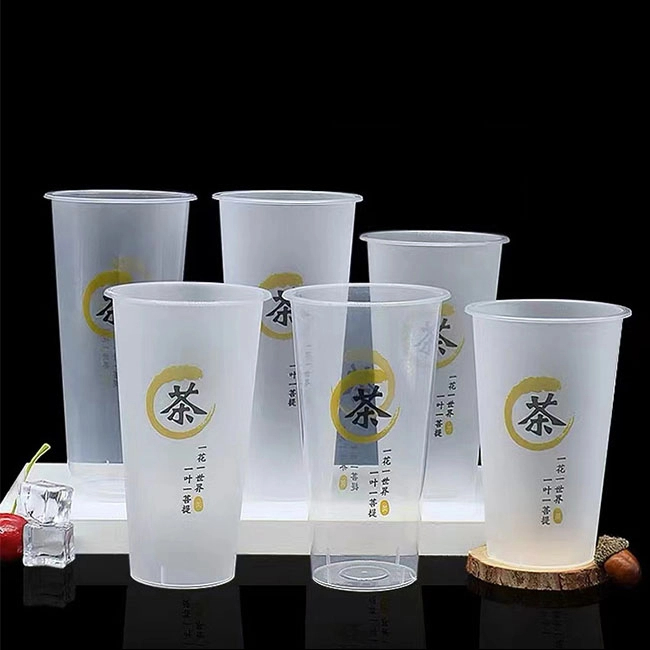
Imagine turning a flat plastic sheet into a detailed 3D shape with ease. That's the magic of thermoforming. But did you know that molding conditions can make or break this process? In this article, we'll explore how temperature, pressure, and material selection impact thermoforming. You'll learn how these factors influence product quality and efficiency.
Understanding Thermoforming
Thermoforming is a manufacturing process where a plastic sheet is heated until soft and then shaped over a mold. The sheet becomes pliable but not melted, allowing it to take on the mold's form when pressed or vacuumed. After shaping, the plastic cools and hardens, keeping the new shape.
Definition and Process
In simple terms, thermoforming involves these steps:
Heating a plastic sheet until it softens.
Clamping the sheet over a mold.
Applying pressure, vacuum, or both to push the sheet tightly against the mold.
Cooling the formed plastic.
Trimming excess material to finalize the part.
This process is popular because it is faster and less expensive than other methods like injection molding, especially for larger parts or smaller production runs.
Types of Thermoforming
There are several types of thermoforming, each suited for different needs:
Vacuum Forming: Uses vacuum pressure to suck the heated plastic sheet onto the mold. Ideal for simple shapes and large parts.
Pressure Forming: Adds air pressure on top of the vacuum to push the plastic harder against the mold. It produces sharper details and is used for parts requiring precision.
Mechanical Forming: Uses mechanical force, such as a plug assist, to help shape the plastic. This can improve material distribution and detail.
Twin Sheet Forming: Two sheets are heated and formed simultaneously, then fused together. It creates hollow parts with added strength.
Each type offers different levels of detail, speed, and cost, so the choice depends on the part's design and function.
Applications of Thermoforming
Thermoforming finds use across many industries because it can produce durable, lightweight, and complex plastic parts quickly. Common applications include:
Packaging: Blister packs, clamshells, trays.
Automotive: Interior panels, trunk liners, dashboards.
Medical: Equipment housings, trays, disposable components.
Consumer Products: Appliance parts, toys, furniture components.
Construction: Wall panels, skylights, protective covers.
Its flexibility allows manufacturers to create parts with various sizes, shapes, and textures, often faster and cheaper than other plastic forming methods.
By understanding the basic process, types, and applications, you get a clearer picture of why thermoforming is a valuable technique in plastic manufacturing. It sets the stage for exploring how molding conditions influence the quality and efficiency of this process.
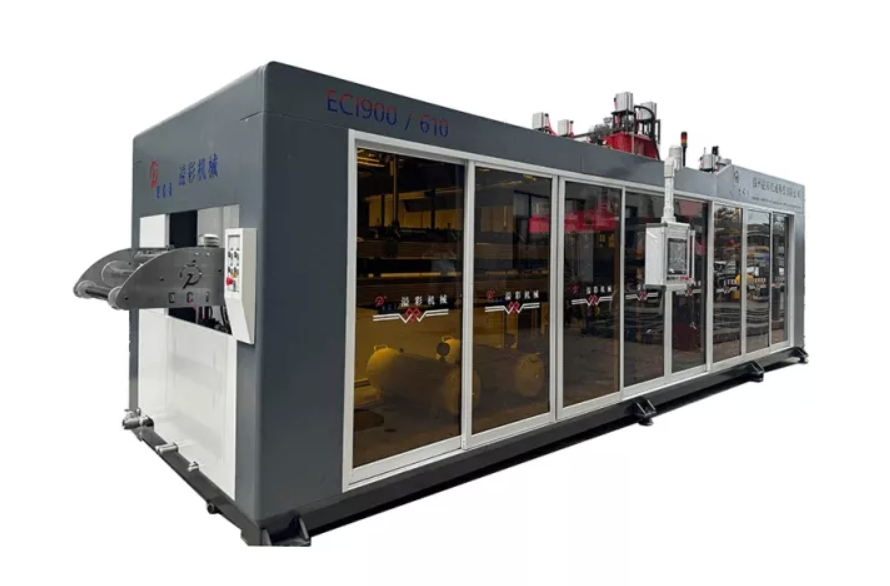
Key Molding Conditions Affecting Thermoforming
Thermoforming success hinges on controlling key molding conditions. These include temperature control, pressure application, and material selection. Each plays a vital role in shaping the plastic sheet accurately and efficiently.
Temperature Control
Temperature is the foundation of thermoforming. The plastic sheet must reach a pliable state without melting. If too cold, the sheet won’t stretch well over the mold, causing poor detail and uneven thickness. Too hot, and the sheet could become too soft, leading to sagging or thinning.
Maintaining consistent temperature throughout the sheet is critical. Uneven heating results in defects like chill marks—white streaks caused by cold spots touching the sheet during forming. Proper oven calibration and monitoring help prevent these issues. Also, controlling mold temperature influences how fast the plastic cools and solidifies, affecting final part quality.
Pressure Application
Pressure forces the heated plastic sheet tightly against the mold. There are two main types: vacuum pressure and positive air pressure.
Vacuum forming uses suction to pull the sheet onto the mold. It works well for simple shapes but may lack detail on sharp edges.
Pressure forming adds compressed air above the sheet, pushing it harder into the mold. This yields sharper detail and better surface finish.
Choosing the right pressure method depends on the part’s complexity. Insufficient pressure causes poor definition and webbing. Excess pressure risks thinning or tearing the plastic. Balancing vacuum and air pressure ensures uniform material distribution and crisp features.
Material Selection
The plastic sheet’s type greatly affects thermoforming results. Different thermoplastics have unique properties like flexibility, heat tolerance, and surface finish. Selecting the right material influences:
Formability: Some plastics soften at lower temperatures, making them easier to shape.
Appearance: Materials come in various colors, gloss levels, and textures, impacting the final look.
Durability: Resistance to UV, chemicals, or impact varies by plastic type.
Common materials include ABS, polycarbonate, PETG, and acrylic. Each offers trade-offs in cost, strength, and aesthetic options. For example, acrylic provides high gloss but is more brittle, while ABS is tougher but less shiny.
Manufacturers must consider the part’s function and desired appearance when choosing materials. Integrating this choice with precise temperature and pressure control leads to high-quality thermoformed products.
Impact of Temperature on Thermoforming
Temperature plays a crucial role in thermoforming. It affects how easily the plastic sheet softens and stretches over the mold. Getting the temperature right ensures the sheet forms accurately and the final product looks great.
Optimal Temperature Range
Each type of plastic has its own ideal temperature range for thermoforming. This range is warm enough to make the sheet flexible but not so hot that it melts or sags. For example:
ABS: 320°F to 375°F (160°C to 190°C)
Polycarbonate: 340°F to 400°F (170°C to 205°C)
PETG: 280°F to 340°F (140°C to 170°C)
Heating plastic within these ranges helps it stretch evenly, reducing the chance of thin spots or tears. Staying in this zone also prevents the sheet from sticking to the mold or losing detail.
Effects of Temperature Variations
If the temperature is too low, the sheet stays stiff and resists stretching. This causes poor detail, uneven thickness, and sometimes tears. The plastic might not fully conform to sharp corners or deep draws, resulting in rounded edges or incomplete shapes.
On the other hand, overheating the sheet makes it too soft. It can sag or drip before reaching the mold, causing uneven thickness and weak spots. Overheated sheets also lose surface quality, leading to defects like flow lines or webbing.
Uneven heating across the sheet causes cold spots. These spots don’t stretch well and create visible defects called chill marks—white streaks or spots on the surface. Chill marks happen when cold areas meet the mold and cool too fast, ruining the finish.
Troubleshooting Temperature Issues
To fix temperature-related problems, start by checking the oven or heater settings. Make sure the plastic sheet heats evenly from edge to center. Using infrared sensors or temperature probes helps monitor this.
If chill marks appear, inspect the mold and tooling temperatures. Cold mold surfaces can cause rapid cooling and marks. Warming the mold slightly or improving insulation can reduce chill marks.
When plastic tears or doesn’t fully form, increase the heating time or temperature slightly. Avoid sudden temperature changes that stress the sheet.
Adding clamp rail heaters around the sheet edges prevents heat loss there, promoting even softening. Also, avoid drafts in the heating area, as they cool parts of the sheet prematurely.
Finally, consider the heating method. Radiant heaters, convection ovens, or contact heaters each have pros and cons. Choose one that matches the plastic type and part size for consistent results.
By carefully controlling temperature, manufacturers ensure the plastic sheet softens just right. This leads to smooth, detailed parts that meet quality standards without wasting material or time.
Role of Pressure in Thermoforming
Pressure plays a crucial role in shaping the heated plastic sheet during thermoforming. It pushes or pulls the material tightly against the mold, ensuring the final part captures the mold's details accurately. Different pressure techniques influence the quality, precision, and appearance of the finished product.
Types of Pressure Techniques
There are two primary pressure methods used in thermoforming:
Vacuum Pressure: This technique sucks air out from between the plastic sheet and the mold, pulling the sheet snugly onto the mold surface. It’s simple and cost-effective, suitable for parts with gentle curves and less intricate details.
Positive Air Pressure: This method pushes compressed air onto the sheet’s surface, pressing it firmly against the mold. It often works together with vacuum pressure in a process called pressure forming. This combination helps the plastic conform to sharp corners and complex shapes.
Sometimes, manufacturers also use mechanical pressure, like a plug assist, which physically presses the sheet into the mold. This helps distribute material evenly and improves detail in deep draws.
Pressure Forming vs. Vacuum Forming
Vacuum forming relies solely on suction to shape the plastic. It’s great for large, simple parts but can struggle with sharp edges or intricate textures. Because vacuum pressure only pulls the sheet, the plastic may not reach into tight corners or fine details, leading to rounded edges or incomplete shapes.
Pressure forming combines vacuum suction and positive air pressure. After the vacuum pulls the sheet onto the mold, compressed air presses the sheet harder against the surface. This extra force improves part definition, surface smoothness, and wall thickness uniformity. It’s ideal for parts requiring high precision, such as medical device housings or automotive interior panels.
While pressure forming offers better detail, it requires more complex equipment and higher energy costs. Vacuum forming remains popular for cost-sensitive projects or larger parts with simpler designs.
Common Pressure-Related Issues
Incorrect pressure application can cause several problems during thermoforming:
Insufficient Pressure: When vacuum or air pressure is too low, the plastic won’t fully conform to the mold. This results in poor detail, webbing (thin plastic bridges), or uneven thickness. The part may have rounded corners instead of sharp edges.
Excessive Pressure: Too much pressure can overstretch the plastic, leading to thin spots, tears, or holes. It can also cause the sheet to stick to the mold or deform undesirably.
Uneven Pressure Distribution: Unequal vacuum or air pressure across the sheet causes inconsistent material thickness. Some areas may be too thin, while others remain thick. This can weaken the part or affect its appearance.
Vacuum Leaks: Small leaks in the vacuum system reduce suction power, preventing the sheet from fully contacting the mold. This causes poor detail and incomplete forming.
Blocked or Insufficient Venting: Proper venting allows air to escape from under the sheet during forming. Poor venting traps air pockets, creating bubbles or wrinkles in the final part.
Tips for Managing Pressure Effectively
Regularly inspect vacuum seals and hoses for leaks.
Clean vacuum vents to prevent clogging.
Use additional vacuum holes or vents for complex molds.
Adjust air pressure carefully to balance detail and material integrity.
Employ plug assists or mechanical pressure for deep draws.
Match pressure techniques to part complexity and material properties.
By understanding and controlling pressure, manufacturers can improve thermoformed parts’ precision, surface finish, and strength. This careful balance helps produce consistent, high-quality products suited for various applications.
Material Selection for Thermoforming
Choosing the right material is a key step in thermoforming. It affects how well the plastic shapes, how strong the final part is, and how it looks. Let’s break down why material properties matter, which thermoplastics are popular, and how materials influence the product’s appearance.
Importance of Material Properties
Material properties determine how the plastic behaves during heating and forming. Some key properties to consider:
Formability: The plastic needs to soften enough to stretch over the mold without tearing or thinning too much. Some plastics soften at lower temperatures, making them easier to form.
Thermal Stability: The material should resist degradation or discoloration when heated. If it breaks down, the part can have defects or weak spots.
Strength and Durability: After forming, the plastic must hold its shape and withstand use. Impact resistance, flexibility, and chemical resistance vary by material.
Surface Finish: Some plastics naturally have smooth, glossy surfaces, while others are matte or textured. This affects the final look and feel.
Weatherability: For outdoor parts, UV resistance and color stability are important to prevent fading or brittleness over time.
Choosing a material that balances these properties helps ensure the part meets performance and aesthetic goals.
Popular Thermoplastic Materials
Several thermoplastics are widely used in thermoforming, each with pros and cons:
ABS (Acrylonitrile Butadiene Styrene): Tough and impact resistant, ABS forms well and is cost-effective. It offers good surface finish but can yellow under UV exposure.
Polycarbonate (PC): Very strong and clear, PC is great for parts needing transparency and impact resistance. It requires higher forming temperatures.
PETG (Polyethylene Terephthalate Glycol): Easy to form and clear, PETG is popular for packaging and medical parts. It has good chemical resistance but less heat tolerance.
Acrylic (PMMA): Offers excellent clarity and gloss, ideal for displays or lighting covers. However, it is more brittle and less impact resistant.
Polypropylene (PP): Flexible and chemical resistant, PP is used for containers and automotive parts. It can be challenging to form due to shrinkage.
High-Density Polyethylene (HDPE): Durable and moisture resistant, HDPE works well for containers and protective panels but has a lower melting point.
Each material suits different applications depending on strength, clarity, flexibility, or cost needs.
Material Influence on Product Appearance
Material choice greatly affects how the finished part looks and feels:
Color Options: Many thermoplastics come in a variety of colors, including integral color options where the pigment is mixed into the plastic. This avoids painting and reduces maintenance issues like chipping.
Gloss and Texture: Some materials naturally produce shiny, smooth surfaces. Others accept in-mold texturing or pre-textured sheets to create matte or patterned finishes. Textures can add grip or hide scratches.
Transparency and Clarity: Clear plastics like acrylic or polycarbonate allow light transmission, useful for lenses or displays. Others are opaque or translucent, affecting design choices.
Patterning: Materials can feature embedded patterns like wood grain or metallic effects. These add aesthetic appeal without extra finishing steps.
Weathering and UV Resistance: Materials designed for outdoor use resist fading and degradation. This keeps colors vibrant and surfaces intact over time.
Selecting the right material lets you control the look and feel of the product while meeting functional requirements. It also impacts cost and production ease.
Common Defects and Their Prevention
In thermoforming, even small mistakes in molding conditions can cause defects that hurt the part’s look and function. Understanding common flaws like chill marks, flow lines, and mark offs helps avoid costly rework and ensures better quality.
Chill Marks
Chill marks appear as white streaks or spots on colored or transparent plastic surfaces. They happen when cold areas on the mold or tooling touch the heated plastic sheet. These cold spots cool the plastic too quickly, preventing it from stretching smoothly. The result is visible discoloration or uneven texture.
Common causes include:
Cold mold surfaces or flanges
Uneven sheet heating causing cold spots
Cold plugs or inserts contacting the sheet
Prevent chill marks by:
Keeping mold and tooling at a consistent, slightly warm temperature
Ensuring even heating of the plastic sheet, avoiding drafts or cold zones
Using proper insulation on mold parts touching the sheet
Regularly monitoring temperatures of the sheet, mold, and tooling
Flow Lines
Flow lines look like wavy patterns or slight color changes near the edges of the formed part. They often appear around the perimeter and can look like ripples or waves. These lines form when excess material is pulled unevenly during forming, usually caused by clamping methods.
Key reasons for flow lines include:
Using a single clamp rail around the sheet perimeter, causing uneven material draw
Unequal material distribution in multi-cavity molds
Rapid stretching of the sheet without proper control
Avoid flow lines by:
Using individual clamps for each mold cavity to balance material distribution
Designing molds and clamps to allow even sheet tension
Controlling forming speed to prevent rapid stretching that causes material folds
Mark Offs
Mark offs refer to small bumps, dents, or imperfections on the plastic surface. They don’t usually affect strength but spoil the part’s appearance. These marks are often caused by dirt, chips, or damage on the mold or tooling surfaces.
Common sources include:
Residue buildup on mold surfaces
Nicks or scratches on plugs or molds
Debris trapped between the sheet and mold during forming
To prevent mark offs:
Clean molds, plugs, and clamps regularly to remove debris and residue
Inspect tooling for damage and repair promptly
Maintain clean working environments to reduce contamination risk
Conclusion
The importance of controlling molding conditions like temperature, pressure, and material selection in thermoforming is highlighted. These factors significantly impact the quality and efficiency of the process. By mastering these elements, manufacturers can produce high-quality, detailed parts. Wenzhou Yicai Machinery Technology Co.LTD. offers innovative solutions that optimize these conditions, ensuring superior product outcomes. For more information on how their technology can enhance your manufacturing process, consider exploring their offerings further.
FAQ
Q: What is thermoforming?
A: Thermoforming is a process where a plastic sheet is heated until soft and shaped over a mold.
Q: What types of thermoforming exist?
A: Types include vacuum forming, pressure forming, mechanical forming, and twin sheet forming.
Q: What materials are commonly used in thermoforming?
A: Common materials include ABS, polycarbonate, PETG, acrylic, polypropylene, and HDPE.
Q: How can defects like chill marks be prevented?
A: Ensure even heating, maintain consistent mold temperature, and clean molds regularly to prevent chill marks.


