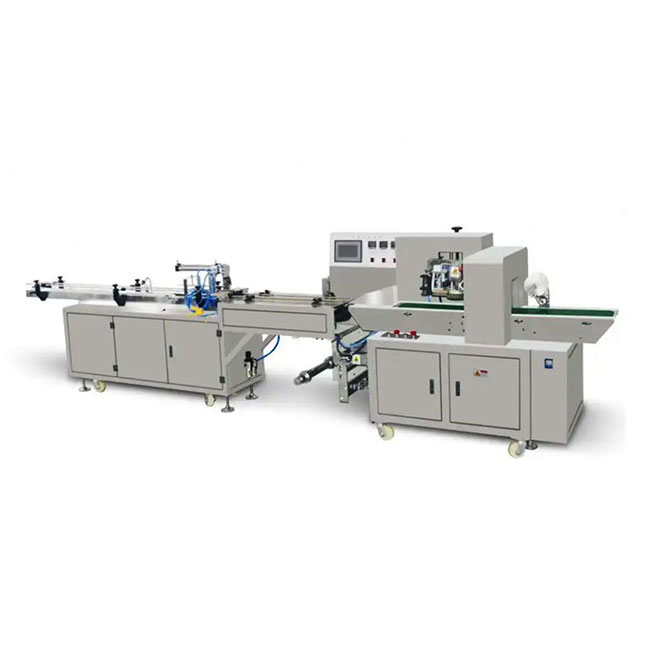
Are you struggling to find the perfect thermoforming machine factory? Understanding thermoforming is crucial for selecting the right equipment. Choosing the right factory ensures efficiency and quality in production. In this post, you'll learn about thermoforming, why selecting the right factory matters, and an overview of thermoforming machine factories.
Defining Your Needs
Before choosing a thermoforming machine factory, it's essential to clearly define your needs. This step helps you find a factory that offers machines tailored to your production goals. Let’s break down the key points you should consider.
Understanding Production Requirements
Start by assessing your production volume. Are you aiming for high-volume manufacturing or smaller batch runs? For high-volume production, you’ll want a factory that offers robust, automated machines capable of fast cycle times. On the other hand, if your production is more specialized or lower volume, semi-automatic or manual machines may suffice.
Also, consider the complexity of your products. Simple shapes might only require vacuum forming, while intricate designs demand pressure forming or twin-sheet thermoforming machines. Knowing your product size and detail level ensures you pick a factory that can deliver machines suited to your parts.
Material Compatibility Considerations
Different plastics behave differently when thermoformed. Common materials include ABS, PETG, polypropylene, and polystyrene. Each has unique heating and forming requirements. Confirm the factory’s machines support the materials you use or plan to use.
For example, if you work with thicker sheets or specialty plastics, ensure the factory’s equipment can handle those specifications. Some factories offer machines with adjustable heating zones or advanced control systems to accommodate various materials. This flexibility prevents costly production issues down the line.
Customization and Special Features
Your production might require unique machine features or custom molds. Does the factory offer customization options like quick mold changes, multi-cavity molds, or integration with automation systems? These features can boost efficiency and product quality.
Think about whether you need additional options such as:
Automated sheet loading and unloading
In-line trimming and stacking
Sensors for temperature and pressure monitoring
These features can streamline your process and reduce labor costs. A factory that provides tailored solutions can help align the equipment perfectly with your production goals.
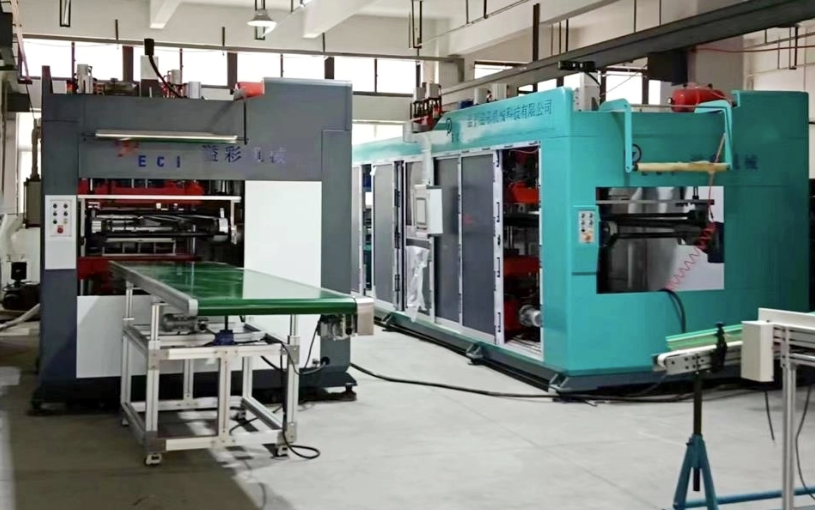
Assessing Factory Experience
Choosing the right thermoforming machine factory is more than just picking a supplier. Experience matters a lot. It often reflects the factory’s ability to deliver quality machines, solve problems, and support your business over time. Let’s explore why factory experience is crucial and how to evaluate it effectively.
Importance of Industry Experience
A factory with years of industry experience usually understands the nuances of thermoforming technology and manufacturing challenges. They’ve likely encountered diverse production needs and material types, which helps them design machines that perform reliably in real-world conditions.
Experienced factories tend to:
Anticipate common issues and offer proactive solutions
Customize machines based on practical insights
Maintain higher quality standards due to refined processes
Keep up with industry trends and technological advancements
For example, a factory that has supplied machines to automotive and medical sectors probably knows the strict quality and compliance requirements those industries demand. This expertise can translate into better machine performance and fewer headaches for you.
Evaluating Track Record and Reputation
Track record shows how well a factory has performed over time. Look for evidence such as:
Years in business
Number and variety of machines produced
Industry certifications and awards
Case studies or success stories
Reputation often comes from how well the factory treats its customers and delivers on promises. You can assess reputation by:
Checking online reviews and testimonials
Asking for references from previous clients
Reviewing industry forums or trade publications
A positive reputation usually indicates reliability, responsiveness, and quality manufacturing. Conversely, a factory with mixed or negative feedback might pose risks like delayed deliveries or poor after-sales service.
Customer Satisfaction and Feedback
Direct feedback from customers provides invaluable insights. Satisfied clients often highlight strengths such as:
Machine durability and performance
Timely delivery and installation
Effective communication and support
Flexibility in customization
On the other hand, complaints about frequent breakdowns, lack of support, or unclear communication should raise red flags.
When possible, speak to existing customers or request a factory visit. Seeing machines in operation and hearing firsthand experiences can help you judge if the factory aligns with your expectations.
Reviewing Technology and Innovation
When choosing a thermoforming machine factory, technology and innovation play a huge role. The right factory not only offers machines that meet today’s standards but also equips you for future challenges. Let’s dive into why modern technology matters and how it impacts your investment.
Modern Machinery and Equipment
Factories using up-to-date machinery provide several advantages:
Enhanced Precision: Modern machines come with advanced control systems, allowing precise temperature and pressure adjustments. This leads to consistent product quality and fewer defects.
Faster Cycle Times: Newer equipment often features quicker heating and cooling systems. Faster cycles mean higher production output without sacrificing quality.
Automation Integration: Today’s machines often support automation like robotic sheet loading, in-line trimming, and stacking. Automation reduces manual labor, lowers error rates, and boosts efficiency.
Energy Efficiency: Advanced heating technologies such as infrared or ceramic heaters minimize energy use. This lowers operational costs and reduces environmental impact.
For example, a factory that invests in servo-driven forming stations and programmable logic controllers (PLCs) can offer machines that adapt easily to different product designs and materials, improving versatility.
Impact of Technological Advancements
Technology evolves rapidly, and thermoforming machinery benefits greatly from these advances:
Smart Controls: Machines equipped with touchscreen interfaces and real-time monitoring allow operators to track temperature, pressure, and cycle time easily. This transparency helps catch issues early and maintain consistent quality.
Data Analytics: Some factories incorporate IoT (Internet of Things) features that collect production data. This data can optimize machine performance and predict maintenance needs, reducing downtime.
Improved Materials Handling: Innovations include better clamping systems and mold change mechanisms. These reduce setup time and increase production flexibility.
Safety Enhancements: Modern machines come with enhanced safety features like emergency stops, safety interlocks, and protective guards, protecting operators and meeting regulatory standards.
Choosing a factory that embraces these advancements means you get machines that are not only efficient but also safer and easier to operate.
Future-Proofing Your Investment
Investing in thermoforming machines is a long-term commitment. To protect your investment:
Look for Upgradability: Can the machine be upgraded with new software or hardware? This extends the machine’s useful life.
Consider Scalability: Factories offering modular machines allow you to expand production capacity as your business grows.
Evaluate Support for Emerging Materials: As new plastics and composites enter the market, your machine should handle them without major modifications.
Check Manufacturer’s R&D Commitment: A factory investing in research and development is more likely to provide cutting-edge solutions and stay ahead of industry trends.
By prioritizing technology and innovation, you ensure your thermoforming equipment remains competitive, efficient, and adaptable for years to come.
Quality and Compliance
Choosing the right thermoforming machine factory means prioritizing quality and compliance. These factors ensure your equipment delivers consistent performance, meets safety standards, and supports your business’s reputation. Let’s explore the key aspects you should consider.
Understanding Quality Certifications
Quality certifications act as proof that a factory meets recognized standards. Common certifications include:
ISO 9001: Focuses on quality management systems, ensuring consistent product quality and continual improvement.
CE Marking: Indicates compliance with European safety, health, and environmental protection requirements.
UL Certification: Shows adherence to safety standards, especially for electrical components.
Factories holding these certifications have undergone rigorous audits. This means their processes, materials, and finished machines meet high-quality benchmarks. Choosing a certified factory reduces the risk of receiving subpar equipment that could disrupt your production.
Compliance with Industry Standards
Every industry has specific regulations to ensure product safety and environmental responsibility. For instance:
Food packaging: Machines must comply with FDA or EFSA standards to avoid contamination.
Medical devices: Require strict adherence to ISO 13485 for quality management in medical manufacturing.
Automotive: Often demands compliance with IATF 16949 for consistent quality and traceability.
Selecting a factory familiar with your industry’s standards ensures their machines meet all necessary requirements. This protects your business from legal issues, recalls, or costly modifications later.
Ensuring Reliable and Safe Products
Beyond certifications and compliance, a factory’s commitment to reliability and safety matters. Look for these indicators:
Robust construction: Machines built from durable materials resist wear and reduce downtime.
Safety features: Emergency stops, interlocks, and guards protect operators and meet local regulations.
Consistent testing: Factories that rigorously test machines before delivery help ensure performance matches specifications.
Reliable machines minimize unexpected breakdowns, keeping your production on schedule. Safe equipment protects your workforce and reduces liability risks.
Customization Options
Customization options play a vital role when choosing a thermoforming machine factory. Every production line has unique needs, and flexibility in machine design can make all the difference. Let’s explore why customization matters and how it helps align equipment perfectly with your goals.
Importance of Flexibility in Production
Flexibility allows you to adapt quickly to changing product demands or design tweaks. A factory offering customizable machines can help you:
Switch between different product sizes or shapes easily
Adjust production speed based on order volume
Incorporate special features tailored to your process
This adaptability reduces downtime during mold changes or setup shifts, boosting overall efficiency. For example, a packaging company might need quick transitions between different tray designs. A flexible machine ensures minimal disruption and faster turnaround.
Custom Mold Design and Machine Configuration
Custom molds are often essential for creating unique product shapes or detailed features. When a factory provides custom mold design services, it means they understand your product inside out. Benefits include:
Precise mold engineering for better part accuracy
Multi-cavity molds to increase output without extra cycle time
Quick mold change systems to minimize downtime
Additionally, machine configuration customization lets you choose options like:
Automated sheet feeding or unloading
Integrated trimming and stacking modules
Sensors for real-time process monitoring
These tailored setups help optimize your production flow and reduce manual labor.
Aligning Equipment with Production Goals
Customization is not just about features; it’s about matching equipment to your specific goals. Whether you prioritize speed, quality, or cost-effectiveness, a factory that listens and adapts can deliver machines that:
Maximize throughput without sacrificing quality
Reduce waste through precise control systems
Support future expansion or product diversification
For instance, if your business plans to expand product lines, a modular machine design allows easy upgrades. This future-proofing saves money and hassle down the road.
Technical Support and Training
Choosing the right thermoforming machine factory goes beyond just buying equipment. The ongoing support and training you receive play a huge role in your success. Let’s explore why technical support and training matter, and how they help you get the most from your investment.
Role of Technical Support in Operations
Even the best machines can face issues. That’s where technical support steps in. A reliable factory offers prompt assistance when problems arise, minimizing downtime and keeping production on track. Support can include:
Troubleshooting guidance over phone or video calls
On-site repairs and maintenance
Software updates and system diagnostics
Spare parts availability and quick delivery
Having access to knowledgeable technicians means you don’t have to struggle alone when machines act up. This support reduces costly delays and helps maintain consistent product quality.
Training Programs for Staff
Proper training is just as important as good support. A thermoforming machine is only as effective as the people operating it. Factories that provide comprehensive training programs ensure your team understands machine functions, safety protocols, and maintenance routines.
Training can cover:
Basic machine operation and controls
Setup and changeover procedures
Preventive maintenance and cleaning
Safety measures and emergency protocols
Well-trained operators work more efficiently and avoid mistakes that can cause damage or waste. Plus, training boosts staff confidence and morale, making your production environment safer and more productive.
Maximizing Machine Utilization
Technical support and training together help you maximize machine utilization. When operators know how to use machines properly and get expert help quickly, you see benefits like:
Reduced downtime and faster problem resolution
Improved product consistency and quality
Longer machine lifespan due to proper care
Ability to implement advanced features and automation
For example, a factory that offers remote monitoring support can alert you to potential issues before they cause breakdowns. Combined with operator training, this proactive approach keeps your line running smoothly.
Conclusion
Choosing the right thermoforming machine factory involves assessing production needs, factory experience, technology, quality, and support. A strong partnership with manufacturers like Wenzhou Yicai Machinery Technology Co.LTD. ensures tailored solutions, maximizing efficiency and product quality. Their machines offer advanced features, customization, and reliable support, providing significant value to your production line. Selecting a factory that aligns with your goals and offers comprehensive support is crucial for long-term success in thermoforming operations.
FAQ
Q: What should I consider before choosing a thermoforming machine factory?
A: Define your production needs, material compatibility, and customization requirements.
Q: Why is factory experience important?
A: It reflects the factory’s ability to deliver quality machines, solve problems, and support your business.
Q: How does technology impact thermoforming machines?
A: Modern technology enhances precision, cycle times, automation, and energy efficiency.
Q: Why are quality and compliance crucial?
A: They ensure consistent performance, meet safety standards, and support your business’s reputation.


