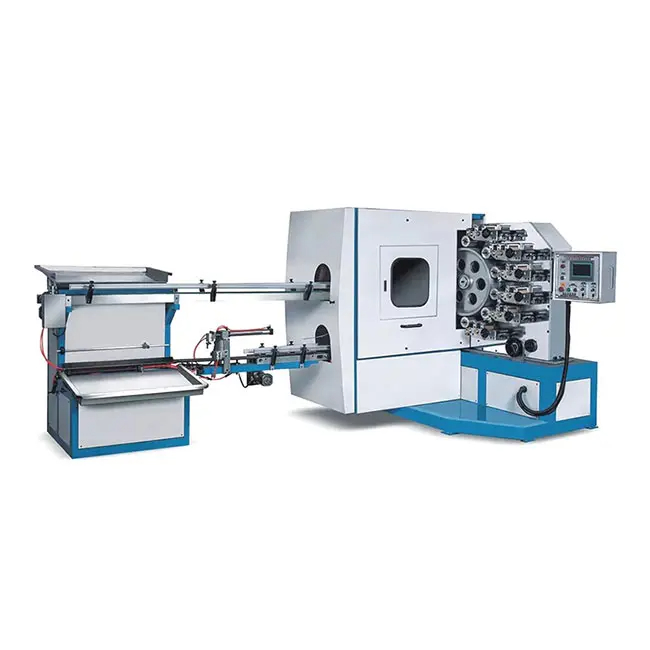
In an increasingly digital world, the value of traditional methods may seem diminished. However, screen printing continues to stand out as a crucial technique in the realm of design, branding, manufacturing, and consumer goods. Whether you're creating a cup, a t-shirt, or industrial signage, screen printing offers unmatched quality, durability, and versatility.
What is Screen Printing?
Screen printing, also known as silk screening, is a printing technique where a mesh is used to transfer ink onto a substrate, except in areas made impermeable to the ink by a blocking stencil. This process is commonly used in various industries for printing images, logos, and designs on multiple materials.
Key Characteristics of Screen Printing
Durable and long-lasting prints
Vivid and opaque color applications
Suitable for various materials (fabric, metal, plastic, ceramic, etc.)
Cost-effective for large-scale production
Customizable in terms of ink types and techniques
Importance of Screen Printing in Various Industries
1. Fashion and Apparel Industry
Screen printing remains the go-to method for bulk t-shirt production due to its ability to produce vibrant and durable designs. Fashion brands prefer this method for creating standout graphics and logos.
Data Insight: According to Grand View Research, the global custom t-shirt printing market was valued at USD 3.64 billion in 2020 and is expected to grow at a CAGR of 9.7% from 2021 to 2028. A large share of this is attributed to screen printing.
2. Promotional Products
From pens to cups, promotional items bearing company logos often use screen printing for its cost efficiency and lasting impression. Promotional cups, for example, can be printed in bulk at lower costs without compromising design quality.
3. Packaging and Labeling
Businesses rely on screen printing for product packaging and labeling, especially where high durability is needed, such as on chemical containers or outdoor labels.
4. Electronics and Industrial Applications
Printed circuit boards (PCBs), solar cells, and other electronic components often utilize screen printing for precise and durable ink applications.
Screen Printing vs. Other Printing Techniques
| Feature/Technique | Screen Printing | Digital Printing | Heat Transfer | Pad Printing |
| Cost for Bulk Orders | Low | High | Medium | Medium |
| Durability | High | Medium | Low | Medium |
| Color Vibrancy | Very High | High | Medium | Medium |
| Material Versatility | High | Limited | Limited | High |
| Setup Time | High | Low | Low | Medium |
Screen printing stands out for large-scale production and longevity, making it particularly suitable for industries that prioritize quality and volume.
Data Analysis: Screen Printing Market Trends
Global Market Size & Forecast
Trend Analysis: The consistent growth in the screen printing industry is driven by increasing demand for customized and durable products, including cups, garments, and signage.
Technological Advancements
Innovations such as UV screen printing and eco-friendly inks have boosted the appeal of this method in environmentally conscious markets.
Advantages of Screen Printing
High Volume Efficiency
Once the stencil is prepared, mass production becomes highly efficient and cost-effective.
Superior Color and Texture
The ink in screen printing is typically thicker than in digital methods, resulting in richer, more vibrant colors and textures.
Wide Range of Materials
From fabrics and plastics to ceramics and glass (such as cups), screen printing works seamlessly across a diverse array of surfaces.
Long-Lasting Results
Prints created through screen printing are known for their durability, resisting wear and fading over time.
Disadvantages and Limitations
High setup cost for small runs
Less suitable for complex or photographic designs
More labor-intensive than digital methods
Despite these limitations, the strengths of screen printing often outweigh its drawbacks, especially for bulk production and industrial applications.
Environmental Considerations
Modern screen printing has evolved to incorporate sustainable practices. Water-based inks, biodegradable emulsions, and energy-efficient curing methods have helped reduce the ecological footprint.
Eco-Friendly Trends
Use of organic cotton and biodegradable materials
Adoption of LED UV curing systems
Reduction in water consumption through improved mesh washing techniques
Application of Screen Printing on Cups
Cups are among the most popular promotional items, and screen printing is often the preferred method for customizing them due to its resilience and visual impact.
Why Screen Printing Works for Cups
Adheres well to curved surfaces
Resistant to washing and wear
Enables branding in bold and sharp designs
Comparative Chart: Printing Techniques on Cups
| Criteria | Screen Printing | Digital Printing | Sublimation |
| Durability | High | Medium | Low |
| Color Brightness | High | High | Medium |
| Cost-Effectiveness | High (bulk) | Low | Medium |
| Best for Custom Runs | No | Yes | Yes |
Screen printing continues to dominate the cup customization niche, especially for corporate branding and event giveaways.
FAQs
What materials can be used in screen printing?
Screen printing is versatile and can be used on textiles, paper, plastics, metals, glass (like cups), ceramics, and wood.
Is screen printing cost-effective?
Yes, particularly for bulk orders. The initial setup cost is offset by the low per-unit cost in large runs.
Can screen printing be used for photographic images?
While it's possible, screen printing is best suited for bold, graphic designs with fewer colors. Digital printing is better for photo-realistic images.
Is screen printing environmentally friendly?
With modern techniques and materials like water-based inks and biodegradable emulsions, screen printing can be sustainable.
How does screen printing compare to sublimation?
Screen printing offers more durable results and can be used on a wider variety of materials, including cups. Sublimation is limited to polymer-coated surfaces and lacks durability.
Conclusion
In conclusion, screen printing is not only important; it is indispensable in various sectors, from fashion and electronics to promotional merchandising. Its ability to provide vibrant, durable, and cost-effective solutions on a wide array of materials, including cups, ensures its continued relevance. With evolving technologies and environmental improvements, screen printing is a timeless technique adapted for modern needs. Whether you are a business looking to expand your branding efforts or a manufacturer aiming for precision and quality, screen printing remains a cornerstone of effective and impactful production.


