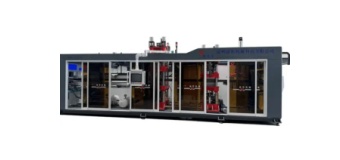
When it comes to thermoforming, a three-station thermoforming machine offers unparalleled efficiency, flexibility, and precision for producing high-quality plastic products. Whether you are manufacturing packaging materials, consumer goods, or custom plastic products, getting the machine ready for operation is a critical step that determines the success of your production process. In this article, we will guide you through the essential preparation steps that should be followed before operating a three-station thermoforming machine. These steps ensure smooth operations, optimal performance, and high-quality results.
Understanding the Basics of a Three-Station Thermoforming Machine
A three-station thermoforming machine is a specialized piece of equipment used for molding plastic materials. It typically includes three stages: heating, forming, and cooling. The machine can handle multiple operations simultaneously, allowing for faster production cycles and higher efficiency compared to traditional single-station machines. The three stations work in a continuous flow, where:
Station 1: Heating – The plastic sheet is heated to its optimal forming temperature.
Station 2: Forming – The heated plastic sheet is molded into the desired shape using a mold.
Station 3: Cooling – The formed part is cooled to solidify its shape before ejection.
To get the most out of your three-station thermoforming machine, preparation is key. Let’s dive into the specific steps that must be taken before starting the machine to ensure everything runs smoothly.
Step 1: Perform a Detailed Machine Inspection
A thorough inspection of your three-station thermoforming machine is a critical step before operating it. This process ensures that the machine is in optimal working condition and that there are no hidden issues that could impact production or damage the machine during operation. Taking time to check all essential components helps prevent unexpected downtimes and ensures the production of high-quality products.
Here are the key components to inspect:
Heating Elements:
The heating components are responsible for bringing the plastic sheet to its optimal forming temperature. Faulty or dirty heating elements can cause uneven heating, which leads to inconsistencies in the material's performance. It's important to check that the heating elements are free from dust, grease, or residue, as these can impact the heating process.
Forming Station:
The forming station is where the heated plastic is molded into the desired shape. It’s essential to check the molds for any signs of wear and tear, such as cracks, chips, or rust. Even minor imperfections in the mold can result in defects in the final product. Clean the molds thoroughly and inspect them for any debris, grease, or remnants from previous production runs.
Cooling Station:
After the forming process, the next step is cooling the molded plastic. This helps solidify the shape and ensures that the material retains its form when ejected. Inspect the cooling system for blockages or malfunctioning components. Ensure the cooling fans, pipes, and airflows are functioning optimally to avoid any delays in the cooling process.
Airlines and Lubrication Systems:
Thermoforming machines rely on compressed air for various processes, such as controlling the movement of molds and other parts. The air supply should be checked for leaks, blockages, or insufficient pressure, which could lead to operational issues. Similarly, lubrication systems should be inspected to ensure they’re working correctly to reduce friction between moving parts.
Electrical Systems:
Electrical components are integral to the operation of a thermoforming machine. These include the control panels, wiring, safety systems, and motors. Inspect all electrical connections for signs of wear, corrosion, or damage.
Component | What to Inspect | Why It’s Important |
Heating Elements | Check for dirt, grease, and residue on heating components. Ensure the temperature sensors are working correctly. | Faulty or dirty heating elements cause uneven heating, leading to inconsistencies in product quality. |
Forming Station | Inspect the molds for cracks, chips, rust, and debris. Ensure molds are aligned and securely mounted. | Imperfections in molds or misalignment can result in defective products. |
Cooling Station | Check for blockages in the cooling system. Ensure fans, pipes, and airflow are functioning optimally. | Malfunctioning cooling systems lead to uneven cooling, causing warping or incomplete molding. |
Airlines and Lubrication Systems | Inspect the air supply for leaks, blockages, or insufficient pressure. Check lubrication systems for functionality. | Leaks or blockages in air supply can affect movement, while lack of lubrication causes wear and operational issues. |
Electrical Systems | Check the control panel, wiring, safety systems, and motors for wear, corrosion, or damage. Ensure emergency stops work. | Damaged wiring or unresponsive control panels can cause power failures or short circuits, compromising safety. |
Step 2: Set the Correct Temperature and Time Settings
Temperature plays a pivotal role in the thermoforming process. Each type of plastic material has an optimal temperature range for forming. If the temperature is too low, the plastic will not mold correctly. If it’s too high, the plastic could melt or degrade. Therefore, setting the correct temperature and heating time is essential for achieving the desired product quality.
Most three-station thermoforming machines allow for temperature control on the heating station. Before starting the machine, ensure that the temperature is set according to the type of material you are using. Refer to the manufacturer’s guidelines for the recommended temperature range for each specific material. Additionally, consider setting up the proper timing for the heating phase, ensuring that the plastic sheet remains in the heating zone for the right amount of time to achieve optimal forming conditions.
Step 3: Prepare the Material
The material you are working with, typically a plastic sheet, must be prepared and loaded onto the machine. Depending on the type of thermoforming machine you have, the material will either be loaded manually or automatically.
Material inspection: Check the plastic sheets for any defects such as warping, discoloration, or contamination. Only use materials that are free from defects to avoid issues during the forming process.
Cutting: Ensure that the plastic sheet is properly cut to the size that fits the mold. This is crucial to avoid material wastage and ensure the sheets fit precisely into the machine.
Heating preparation: Load the plastic sheet onto the machine’s heating station, ensuring that it is centered and secured properly for even heating.
Step 4: Adjust and Set the Molds
Molds are essential to the forming process, and their proper setup ensures that the final product will meet your specifications. The molds should be cleaned thoroughly before use to prevent any build-up of residues from previous operations. Molds that are not properly cleaned can leave unwanted marks on the formed plastic, impacting the product’s quality.
Additionally, check the alignment of the mold. Misaligned molds can lead to uneven forming and poor product consistency. Adjust the molds so that they fit snugly into the machine, and ensure they are aligned properly with the forming station. Make any necessary adjustments based on the size and shape of the product you are manufacturing.
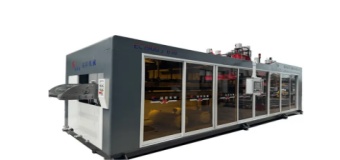
Step 5: Perform a Trial Run
Before launching into full-scale production, it’s important to run a test cycle. During the trial run, monitor the machine closely for any potential issues. Look for:
Inconsistent heating or cooling
Difficulty in material transfer
Misalignment of molds
Irregular or incomplete forming of the plastic sheet
Use the trial run as an opportunity to fine-tune the settings, molds, and material alignment. This helps ensure that the machine is operating at optimal efficiency, and that the quality of the products meets your standards.
Step 6: Monitor and Adjust During Operation
Once you’ve set the machine up and performed the trial run, you can begin the full production process. However, ongoing monitoring is essential to ensure that everything runs smoothly.
Monitor heating and cooling times: Make sure that the heating and cooling processes are happening as expected.
Check product quality: Continually check the formed parts for any defects or inconsistencies in size, shape, or finish.
Adjust settings if necessary: If you notice any inconsistencies, don’t hesitate to adjust the machine’s settings, including temperature, forming pressure, or cooling time.
By monitoring the process, you can make adjustments as needed, ensuring consistent and high-quality production.
Conclusion: Ready to Start with Confidence
Successfully operating a three-station thermoforming machine requires careful preparation and attention to detail. By following these key steps—inspecting the machine, adjusting temperature and time settings, preparing the material, setting the molds, performing a trial run, and monitoring during operation—you can ensure optimal performance and high-quality results.
At Wenzhou Yicai Machinery Technology Co., Ltd., we are committed to providing state-of-the-art thermoforming machines that help your business maximize efficiency and product quality. With our expertise and cutting-edge technology, we help businesses like yours achieve success in the competitive world of thermoforming.
For more information on our products and services, visit www.yicai-machinery.com today.
FAQ
What is a three-station thermoforming machine?
A three-station thermoforming machine is used to heat, form, and cool plastic sheets in a continuous cycle, enabling high-volume production of plastic parts.
How do I choose the right thermoforming machine for my business?
Consider factors such as production volume, material types, and part complexity when selecting a thermoforming machine. Speak with experts like Wenzhou Yicai to find the best fit for your needs.
What materials can be used in a three-station thermoforming machine?
Common materials include PET, PS, PVC, and ABS, among others. The choice depends on the product specifications and performance requirements.
How do I maintain a three-station thermoforming machine?
Regular cleaning, inspection, and lubrication are necessary to maintain the machine’s performance. It’s also important to replace worn-out parts promptly to avoid downtime.


