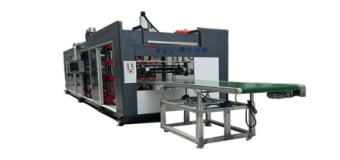
In the world of modern manufacturing, thermoforming plays a crucial role in producing high-quality plastic products. It is a widely used method for creating plastic parts for industries ranging from food packaging to automotive applications. One of the most critical factors that determine the success of the thermoforming process is heating time. Proper heating time ensures that the plastic is adequately heated to the right temperature, allowing it to mold correctly and produce durable, high-quality products. This article will delve into why heating time is essential, how it affects the thermoforming process, and how it impacts the quality of the final product.
What is Thermoforming?
Thermoforming is a manufacturing process in which a plastic sheet is heated to a specific temperature, then molded into a desired shape using a mold. The plastic is then cooled to harden, resulting in a finished product. Thermoforming is widely used for making products like food containers, blister packs, automotive parts, and more. The process is efficient and cost-effective, which is why it is so popular in many industries.
There are two primary types of thermoforming processes: vacuum forming and pressure forming. Both rely on controlled heating to soften the plastic before applying pressure to shape it, but the temperature and time settings for heating play an essential role in ensuring high-quality results.
The Role of Heating Time in Thermoforming
In the thermoforming process, the plastic sheet undergoes heating to reach the optimal molding temperature. The amount of time that the sheet remains in the heating zone is referred to as heating time. Properly controlling the heating time is crucial for achieving the desired results. If the heating time is too short, the plastic may not reach its optimal temperature, resulting in products that are weak, misshapen, or deformed. If the heating time is too long, the plastic may overheat, causing degradation and a reduction in material quality, such as reduced strength, flexibility, or clarity.
To ensure the best results, the heating time must be precisely controlled. Achieving the correct temperature across the entire surface of the plastic ensures that the material is evenly softened, which is key to producing high-quality, uniform products. Maintaining consistent heating time is essential to minimize defects and to ensure that the molding process runs smoothly and efficiently.
Factors Affecting Heating Time
Heating time is not a one-size-fits-all factor; several variables influence how long a plastic sheet should remain in the heating zone. Understanding these factors allows manufacturers to optimize the thermoforming process, achieving better results while minimizing waste and energy consumption. Below are the primary factors that can affect heating time in thermoforming:
Material Type
The type of plastic being used is one of the most significant factors that affects heating time. Different plastics have unique thermal properties, which means they require different heating times to achieve optimal molding conditions. For example, Polyethylene Terephthalate (PET), Polyvinyl Chloride (PVC), and Polystyrene (PS) each have different melting points and behaviors when heated. PET requires a higher temperature than PS, which means it will need more time in the heating zone to reach its ideal forming temperature.
Thickness of the Plastic
The thickness of the plastic sheet directly impacts how long it needs to remain in the heating zone. Thicker plastic takes longer to heat through, as the heat has to penetrate deeper into the material. When the plastic sheet is too thick, the inner layers of the material may not reach the desired temperature, while the outer layers might be over-heated, leading to uneven softening. This results in incomplete forming and can produce weak or flawed products.
Thermoforming Machine
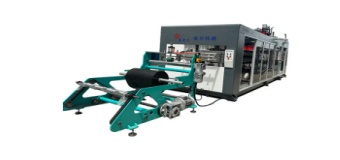
The type and quality of the thermoforming machine used also influence heating time. Advanced thermoforming machines with high-quality heating elements are more efficient at distributing heat evenly across the sheet. These machines are capable of reaching the desired temperature more quickly and consistently, which reduces heating time and improves product quality.
Heater Settings
The settings of the heating elements are essential for determining the optimal heating time. The heating zone must be set to the right temperature based on the specific material being used. If the temperature is set too high, the plastic may overheat, degrading the material and leading to defects such as discoloration, brittleness, or even burn-through. On the other hand, if the temperature is too low, the plastic may not soften enough to form properly, resulting in incomplete or deformed products.
Environmental Factors
Environmental conditions, such as ambient temperature and humidity, can also affect the heating time required in the thermoforming process. In high humidity environments, moisture in the air can increase the time it takes for the plastic to heat up, as the material will absorb moisture before it begins to soften. This can lead to inconsistent heating and longer production cycles.
How Does Heating Time Impact Product Quality?
The heating time in the thermoforming process directly influences the quality of the final product. Here’s how:
Uniformity of Forming: If the heating time is too short, the plastic may not become soft and pliable enough to conform to the mold. This results in an incomplete or poorly shaped product. Proper heating time ensures that the plastic reaches the right level of softness for uniform molding.
Strength and Durability: Adequately heated plastic achieves the correct molecular alignment, making the final product stronger and more durable. If the plastic is overheated, it may lose its integrity, resulting in a product that is brittle or weak. Proper heating time ensures that the plastic maintains its strength and durability.
Surface Quality: Heating time also affects the appearance of the final product. Underheated plastic can lead to surface imperfections such as wrinkles, bubbles, or cracks. Overheated plastic can cause discoloration or degradation of the material. A well-controlled heating time helps maintain a smooth, attractive surface.
Clarity and Transparency: Some products, such as packaging containers and trays, require clarity for aesthetic reasons or to allow consumers to view the contents. Overheating plastic can cause it to become cloudy or discolored. By optimizing heating time, manufacturers can preserve the clarity of the plastic, ensuring that the final product looks appealing.
Impact Factor | Effect of Incorrect Heating Time | Optimal Heating Time Outcome |
Uniformity of Forming | Short heating time results in plastic that is too stiff to conform to the mold, causing incomplete or poorly shaped products. | Proper heating time ensures plastic is soft enough for uniform molding. |
Strength and Durability | Overheating can degrade the plastic, making it brittle and weak, while underheating results in insufficient molecular alignment. | Correct heating time allows proper molecular alignment, resulting in stronger and more durable products. |
Surface Quality | Underheated plastic leads to surface imperfections like wrinkles, bubbles, or cracks, while overheating causes discoloration. | Controlled heating time produces a smooth and attractive surface free of defects. |
Clarity and Transparency | Overheating can cause plastic to become cloudy or discolored, affecting clarity, which is important for certain products. | Proper heating time preserves clarity, ensuring the product remains visually appealing. |
Optimizing Heating Time for Better Results
To achieve the best results in thermoforming, manufacturers must optimize the heating time for each type of plastic and application. Here are some tips to optimize heating time for better product quality:
Know the Material Requirements: Always refer to the manufacturer’s guidelines for the specific plastic being used. Different materials have different heating requirements, and adhering to these guidelines helps prevent issues such as overheating or underheating.
Test and Adjust: Thermoforming is not a one-size-fits-all process. Manufacturers should perform trial runs to fine-tune heating times for each specific product. By testing and adjusting, manufacturers can determine the ideal heating time for each material and product design.
Use High-Quality Equipment: Invest in high-quality thermoforming machines that provide precise temperature control and uniform heating. These machines ensure that the plastic is heated evenly, reducing the need for excessive heating time and improving product quality.
Monitor and Maintain: Regular maintenance of the thermoforming machine is essential for maintaining optimal heating performance. Periodic checks of the heating elements, temperature sensors, and control systems ensure that the machine operates efficiently, reducing the risk of overheating or underheating.
Conclusion
Heating time plays a vital role in the success of the thermoforming process. By understanding the factors that influence heating time and its impact on product quality, manufacturers can optimize their processes to produce high-quality plastic parts consistently. The key is to balance the heating time for each material, ensuring that the plastic is heated to the right temperature for efficient molding without sacrificing strength, clarity, or durability.
At Wenzhou Yicai Machinery Technology Co., Ltd., we specialize in providing high-performance thermoforming machines that are designed to ensure precise heating control for optimal results. Our machines are engineered with advanced features that allow for efficient and consistent heating, helping you achieve the highest quality products in every batch.
FAQ Section
Why is heating time important in thermoforming?
Heating time is essential because it ensures that the plastic reaches the right temperature for optimal molding. Proper heating time prevents issues like incomplete forming, weak spots, and surface imperfections.
How does heating time affect the strength of the product?
Proper heating allows the plastic to maintain its molecular integrity, resulting in stronger and more durable products. Overheating or underheating can cause the product to be brittle or weak.
What factors affect heating time in thermoforming?
Factors such as the type of plastic, thickness, thermoforming machine efficiency, and ambient temperature can all impact heating time. Each factor must be optimized to achieve the best results.
How can I optimize heating time for better results?
To optimize heating time, manufacturers should refer to material-specific guidelines, perform trial runs, use high-quality equipment, and regularly maintain their thermoforming machines to ensure precise temperature control.


