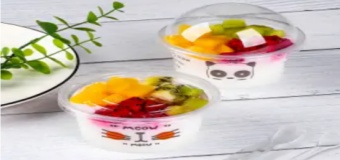
As the food packaging industry continues to evolve, one technology stands out as a revolutionary force—thermoforming. This advanced process involves heating plastic sheets until they become pliable and then shaping them into a mold to create custom packaging solutions. Thermoforming has gained immense popularity, especially in the food packaging sector, due to its efficiency, cost-effectiveness, and ability to create high-quality, durable packaging. Over the years, various trends have emerged that make thermoforming the go-to solution for manufacturers and consumers alike.
In this article, we will explore the key trends driving the use of thermoforming technology in food packaging, focusing on its advantages, the latest innovations, and the reasons why more companies are turning to this solution. As a company that has been at the forefront of this transformation, Wenzhou Yicai Machinery Technology Co., Ltd. provides cutting-edge thermoforming machines that offer superior performance and precision for all your packaging needs.
The Growing Demand for Sustainable Packaging
Sustainability has emerged as one of the most pressing global challenges, and industries across the board are working to adapt. The food packaging sector, in particular, is under increasing scrutiny due to its significant environmental impact. Thermoforming has quickly risen to the challenge by offering packaging solutions that are both effective and environmentally friendly. As consumer awareness about plastic waste and its negative environmental effects continues to grow, many companies are seeking packaging alternatives that are recyclable or biodegradable. Thermoformed packaging, made from such materials, allows manufacturers to reduce their environmental footprint while still offering a high level of product protection and performance.
Thermoforming also enables the use of thinner materials without compromising strength or durability. This ability to use less material leads to significant reductions in waste and resource consumption. Additionally, the process of thermoforming itself is highly efficient, minimizing the energy required to create robust packaging solutions. As a result, it becomes an attractive choice for companies looking to enhance their sustainability efforts while meeting the increasing consumer demand for eco-friendly products.
Factor | Impact on Sustainability | Benefits of Thermoforming Packaging |
Consumer Awareness | Increased concern over plastic waste and its environmental effects. | Thermoforming uses recyclable or biodegradable materials, aligning with eco-friendly demands. |
Material Efficiency | The need to reduce material usage without compromising product protection. | Thermoforming allows for thinner materials, reducing resource consumption and waste. |
Energy Consumption | Traditional packaging processes can be energy-intensive. | Thermoforming is an efficient process, requiring less energy to create durable packaging. |
Waste Reduction | Packaging waste contributes to environmental degradation. | The thermoforming process minimizes waste by using fewer materials and efficient techniques. |
Performance & Protection | Packaging must balance sustainability with product protection. | Thermoforming delivers strong and durable packaging that protects products while being eco-friendly. |
Cost-Efficiency and Increased Production Speed
The cost-efficiency of thermoforming is another key factor contributing to its growing popularity in the food packaging industry. Unlike other packaging methods, thermoforming requires less energy and labor to produce, resulting in significant cost savings for manufacturers. This efficiency extends to both the production process and the materials used, further lowering overall costs. For companies producing food products in large quantities, thermoforming offers a highly scalable solution that is well-suited to high-volume production runs. This efficiency makes it easier for businesses to manage costs while meeting the rising demand for packaged food products.
Thermoforming also enables faster production cycles, which is crucial for companies that need to keep up with the pace of consumer demand. Packaging processes that are quicker and more efficient allow food manufacturers to deliver products to market faster, ensuring that fresh food and perishable items retain their quality and freshness. The streamlined nature of thermoforming also means reduced lead times, enabling manufacturers to respond to fluctuations in demand and optimize production schedules.
One important trend that is shaping the future of thermoforming is the integration of automation and robotics. The introduction of automated systems into the thermoforming process helps streamline production, further reducing the potential for human error and boosting efficiency. Automated systems can handle a variety of tasks, including sorting, packing, and sealing, with minimal human intervention. This not only results in a faster production process but also enhances the consistency and quality of the final product. Robotic systems can be customized to handle different sizes and shapes of products, making it easier to adapt to the specific needs of each food product. The automation of these processes is not only transforming production lines but is also making the industry more agile, flexible, and capable of meeting the needs of modern food packaging.
Customization and Product Diversity
Thermoforming offers unparalleled customization opportunities, allowing companies to design packaging that meets the precise needs of their food products. Whether it’s adjusting the shape, size, or functionality of the packaging, thermoforming provides flexibility that is unmatched by other packaging methods. This high level of customization is especially beneficial in the food packaging sector, where different products require specialized packaging solutions to ensure quality preservation and efficient transport.
For instance, packaging can be designed to include features such as vacuum sealing, easy-to-open designs, and even tamper-evident seals, all of which help extend the shelf life of the food and maintain its freshness. Thermoformed packaging is particularly advantageous for items such as ready-to-eat meals, snacks, and fresh produce, as it can provide the necessary protection to keep the products in optimal condition throughout the supply chain. The ability to create packaging that fits each product’s specific requirements has contributed significantly to the growing demand for thermoforming technology.
Thermoforming is also highly versatile in terms of the types of containers it can produce. From deep trays for large-scale food items to smaller, single-serve portions, thermoforming can cater to a broad range of food products. It’s ideal for creating everything from portion-controlled meal trays to custom-shaped packaging that fits unique product sizes. In addition to providing protection and extending shelf life, the ability to tailor packaging for specific food items improves both the consumer experience and operational efficiency for manufacturers. As food packaging needs continue to evolve, thermoforming technology is poised to remain a vital player in the industry due to its adaptability and customization options.
Food Safety and Hygiene
Ensuring the safety and hygiene of food products is paramount, and thermoformed packaging plays a crucial role in maintaining these standards. The thermoforming process creates an airtight seal that helps protect food from contamination, moisture, and external factors that could affect its quality. Additionally, thermoformed containers can be designed with features such as tamper-evident seals and protective films, which further enhance food safety.
This aspect of thermoforming is particularly important in the food industry, where contamination and spoilage can lead to product recalls and safety issues. With consumer health and safety becoming more of a priority for both businesses and regulatory bodies, thermoformed packaging provides a reliable solution.

Technological Advancements in Thermoforming Machines
The technology behind thermoforming machines has also undergone significant advancements in recent years. Innovations such as energy-efficient heating systems, advanced mold designs, and high-speed automation have made thermoforming more efficient, versatile, and precise.
Wenzhou Yicai Machinery Technology Co., Ltd. is a leading supplier of thermoforming machines that incorporate these latest technologies. Their machines are designed to optimize energy usage, improve production speed, and produce superior-quality packaging that meets the high standards of the food industry. With their advanced equipment, companies can reduce waste, lower production costs, and maintain a high level of quality and safety.
Trends in Consumer Preferences and Packaging Design
Consumer preferences continue to shape the food packaging industry, and thermoforming allows companies to keep up with these changing demands. As consumers become more focused on convenience, packaging designs are shifting to offer easy-to-use features, such as resealable trays, single-serve portions, and microwave-safe containers.
Thermoforming offers the flexibility to meet these demands while maintaining a high level of sustainability and functionality. For example, thermoformed packaging can include innovative features like easy-pour spouts, multi-compartment trays, or stackable containers, all of which cater to the needs of today’s fast-paced, convenience-oriented consumers.
Why Thermoforming Is the Go-To Solution
Thermoforming has become the go-to solution for food packaging because it ticks all the boxes—sustainability, cost-effectiveness, speed, customization, food safety, and consumer appeal. Whether you are packaging snacks, beverages, or ready-to-eat meals, thermoforming provides a versatile and reliable solution that meets the needs of both manufacturers and consumers. As the demand for high-quality, efficient, and eco-friendly packaging continues to rise, thermoforming will play a critical role in shaping the future of the food packaging industry.
Conclusion
In conclusion, the thermoforming process has revolutionized the food packaging industry by offering a combination of benefits that make it the go-to solution for manufacturers worldwide. From sustainability and cost-efficiency to innovation and customization, thermoforming offers unmatched versatility and reliability. If you are looking for advanced thermoforming machinery to enhance your production capabilities, Wenzhou Yicai Machinery Technology Co., Ltd. is an ideal partner. With their state-of-the-art thermoforming machines, they provide businesses with the tools they need to stay competitive in a rapidly evolving industry.
FAQ
1. What are the main advantages of thermoforming for food packaging?
Thermoforming offers several benefits, including cost-efficiency, customization, sustainability, and enhanced food safety. It allows manufacturers to create packaging tailored to specific products while reducing waste and lowering production costs.
2. Is thermoformed packaging eco-friendly?
Yes, thermoforming can be eco-friendly, especially when made from recyclable or biodegradable materials. It also helps reduce waste by using thinner materials that still maintain strength and durability.
3. How does thermoforming improve food safety?
Thermoforming creates airtight seals that protect food from contamination and moisture. Additionally, packaging can include tamper-evident features to further ensure product safety and integrity.
4. What types of products are ideal for thermoformed packaging?
Thermoforming is ideal for packaging a wide range of food products, including snacks, beverages, ready-to-eat meals, fresh produce, and more. Its versatility allows for custom designs tailored to the specific needs of different food products.


