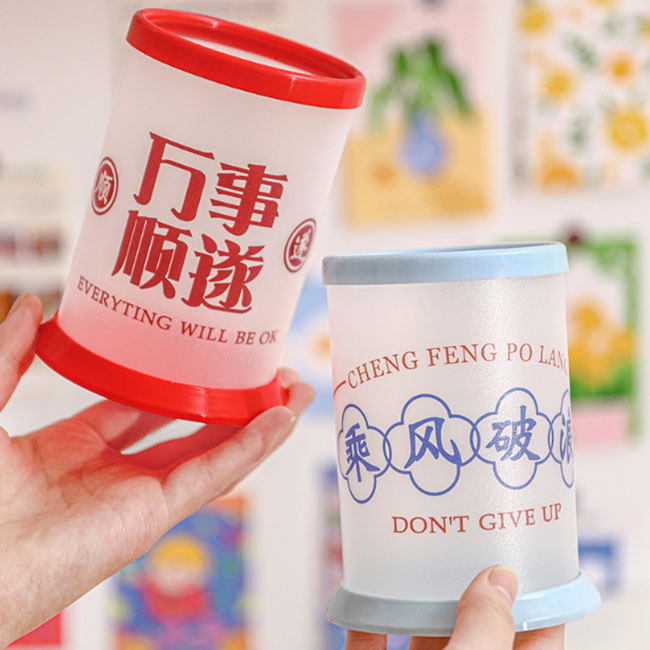
Silk screen printing, also commonly referred to as screen printing, is a popular printing method used across a wide range of industries. From custom t-shirts to promotional items and industrial parts, screen printing offers versatility and vibrant color reproduction. In recent years, this method has been favored by hobbyists and professionals alike due to its adaptability on various surfaces including fabric, plastic, metal, wood, and ceramic.
For businesses and individuals targeting high-quality and long-lasting prints, investing in the right printing machine is crucial. Whether you're printing on a cup, a t-shirt, or a plastic sign, the quality of your printing machine directly impacts the final product.
In this article, we will explore everything you need to get started with silk screen printing, from the necessary equipment to the step-by-step process. We will also delve into the advantages of silk screen printing, provide data-driven comparisons, and answer frequently asked questions. This comprehensive guide will help you understand the relationship between the printing machine you choose and the quality and efficiency of your prints.
What Equipment Do You Need for Silk Screen Printing?
To begin silk screen printing, it's essential to understand the range of equipment required. The choice of equipment can differ depending on whether you're printing manually or using an automated printing machine. Here is a detailed breakdown:
1. Printing Machine
At the heart of screen printing is the printing machine. It comes in various forms:
| Type of Printing Machine | Description | Best For | Price Range |
| Manual Screen Printer | Operated by hand; suitable for beginners and small runs | Hobbyists, small businesses | $100 - $500 |
| Semi-Automatic Screen Printer | Uses motor assistance for screen movement | Medium-scale businesses | $1,000 - $5,000 |
| Fully Automatic Printing Machine | Fully mechanized; high-speed, consistent prints | Large-scale production | $10,000+ |
| Flatbed Screen Printer | Ideal for flat surfaces like posters and signs | Sign makers | $3,000 - $15,000 |
| Cylindrical Screen Printer | Designed for items like cups and bottles | Beverage and promotional industries | $2,000 - $20,000 |
When choosing a printing machine, consider the type of items you plan to print on—fabric, plastic, glass, cups, or metal. For instance, if your business specializes in custom plastic drinkware, a cylindrical printing machine is essential.
2. Screens and Frames
Screens are made of mesh stretched over frames—commonly aluminum or wood. The mesh count (measured in threads per inch) determines the level of detail:
Low mesh count (60-110): Good for bold prints (e.g., white ink on dark fabric)
Medium mesh count (160-200): General-purpose use
High mesh count (230+): Fine detail printing and halftones
3. Emulsion and Sensitizer
A photosensitive emulsion is applied to the screen to create the stencil. The emulsion hardens under UV light, except in areas blocked by the artwork.
4. Exposure Unit
This unit uses UV light to expose the screen and transfer the design from a transparency film onto the emulsion-coated screen.
5. Squeegee
Used to push ink through the screen onto the substrate. They come in various shapes and hardness levels depending on the material and detail required.
6. Ink
Screen printing ink must match the substrate:
Plastisol: Ideal for textiles
Water-based: Eco-friendlier, used for light fabrics
UV-curable inks: Used in plastic and metal printing
Solvent-based inks: Suitable for hard surfaces like cups or plastic
7. Drying Equipment
Depending on the ink type, a conveyor dryer or flash dryer is used to cure the print. UV inks require UV curing systems.
8. Other Supplies
Transparency film for artwork
Tape and block-out for screen preparation
Cleaning chemicals and reclaiming supplies
What Are the Steps in Silk Screen Printing?
Silk screen printing involves a series of well-coordinated steps. Whether you're using a basic setup or a sophisticated printing machine, the process remains fundamentally the same.
Step-by-Step Process
Design Preparation
Create your design using software like Adobe Illustrator or Photoshop. Convert it to black and white and print it on a transparency film.
Screen Preparation
Coat the screen with emulsion in a darkroom environment. Dry the screen thoroughly.
Image Exposure
Place the transparency on the screen and expose it to UV light. The light hardens the emulsion except where the design is, leaving a stencil.
Washing Out the Design
Use water to wash out the unexposed emulsion, revealing your stencil.
Setup the Screen on the Printing Machine
Attach the screen to the printing machine. Align the substrate (e.g., fabric, plastic, cup) under the screen.
Apply the Ink
Pour ink at the top of the screen, and use a squeegee to pull it across the screen. The ink passes through the stencil onto the substrate.
Curing the Ink
Use a dryer or heat press to cure the ink. Make sure the ink reaches the proper temperature to ensure durability.
Clean-Up
Reclaim the screen for future use by removing the emulsion and cleaning the mesh.
What Are the Advantages of Silk Screen Printing?
Screen printing offers several benefits that make it a preferred method in various industries. Here we analyze the advantages based on use-case, efficiency, and data comparisons.
1. Exceptional Color Vibrancy
Silk screen printing uses thick ink layers, delivering bold and color-rich designs. This is especially advantageous for branding on plastic promotional products and cups.
2. Versatility in Substrates
Unlike digital printing, screen printing can be used on:
Plastic
Glass
Wood
Metal
Fabrics
3. Cost-Effective for High Volumes
The initial setup may require investment in a printing machine, but the per-unit cost significantly drops with bulk production. For example:
| Quantity | Digital Print Cost (USD) | Screen Print Cost (USD) |
| 10 | $5.00 per unit | $6.00 per unit |
| 100 | $3.00 per unit | $2.50 per unit |
| 1,000 | $2.00 per unit | $0.80 per unit |
4. Durability of Prints
Screen prints are known to last longer without fading, especially with plastic or cup surfaces that undergo frequent washing and handling.
5. Customization and Scalability
You can start with a single-color design and scale to multi-color prints by upgrading to a multi-station printing machine.
6. Eco-Friendly Options
Modern water-based inks and eco-friendly emulsions reduce the environmental impact of this process, especially when printing on recyclable materials like plastic.
Conclusion
Silk screen printing remains a dominant force in custom product manufacturing, thanks to its vibrant color capabilities, adaptability across materials like plastic and cups, and cost-efficiency. Whether you are an entrepreneur starting a print-on-demand business or a corporation looking to customize promotional items, investing in the right printing machine is your first step toward success.
Understanding the equipment, mastering the process, and leveraging the advantages silk screen printing offers will ensure high-quality results and business scalability. From low-cost manual setups to high-speed automated printing machines, there's a solution for every budget and need.
With the right tools and knowledge, your screen printing journey can lead to exceptional products that capture attention and deliver value.
FAQs
1. Can I use silk screen printing on plastic?
Yes, plastic is a common substrate for silk screen printing. Use solvent-based or UV-curable inks for best adhesion and durability.
2. How do I print on cups?
To print on cups, you need a cylindrical printing machine designed to accommodate curved surfaces. These machines ensure even ink distribution around the cup's surface.
3. How many colors can I print with silk screen?
You can print as many colors as you want, but each color requires a separate screen. Multi-color designs may require advanced registration systems.
4. Is screen printing better than digital printing?
It depends on your needs. Screen printing is more cost-effective for large runs and offers superior color vibrancy, especially on plastic and cups. Digital printing is faster for short runs and detailed artwork.
5. How long does a printed design last?
When cured correctly, screen-printed designs can last for years, even on frequently used items like plastic containers or cups.
6. What are the maintenance needs of a printing machine?
Routine maintenance includes cleaning screens, replacing worn squeegees, and ensuring the printing machine is calibrated. Automated machines may require technical servicing periodically.
7. Can silk screen printing be automated?
Yes, semi-automatic and fully automatic printing machines handle large volumes with speed and consistency, making them suitable for industrial-scale operations.


