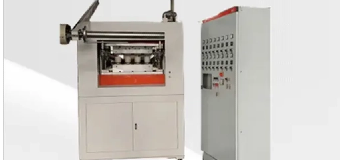
Plastic thermoforming is a widely used manufacturing process that converts flat plastic sheets into three-dimensional (3D) products. This process is popular due to its relatively low cost, flexibility, and suitability for both simple and complex designs. It is used in a wide variety of applications, from disposable packaging to durable components in industries such as automotive, consumer goods, and medical devices. In this article, we will explore what plastic thermoforming is, the different types of thermoforming methods, how the process works, typical materials used, and examples of common applications.
What Is Plastic Thermoforming?
Plastic thermoforming is a manufacturing process that involves heating a plastic sheet to a pliable temperature, forming it over or into a mold, and then trimming and finishing the formed part. The process typically follows these steps:
Heating the Plastic Sheet: A flat thermoplastic sheet is heated until it reaches a temperature where it becomes soft and flexible, allowing it to take the shape of a mold.
Forming the Shape: The heated sheet is then placed over or into a mold. Using vacuum, pressure, or both, the sheet is drawn or forced to conform to the mold's shape, creating the desired 3D form.
Cooling and Solidifying: After the plastic has been shaped, it is cooled, solidifying in the shape of the mold.
Trimming and Finishing: Once cooled, the excess material is trimmed away, and any finishing processes, such as smoothing edges or adding decorations, are performed.
Plastic thermoforming is highly effective for producing large quantities of plastic parts that are relatively simple in shape. It is also versatile, allowing for the use of different types of plastics, which gives it a wide range of applications.
Types of Plastic Thermoforming
Plastic thermoforming can be carried out using different methods depending on the complexity of the part and production requirements. The main types of thermoforming are:
1. Vacuum Forming
Vacuum forming is the most common and simplest form of thermoforming. In this method:
A plastic sheet is heated until it becomes soft and flexible.
The sheet is then placed over a mold, and a vacuum is applied to remove air between the sheet and the mold.
The vacuum forces the plastic to conform to the shape of the mold, creating a 3D part.
Vacuum forming is ideal for creating simple, shallow parts with uniform thickness, such as packaging, trays, and blisters. The process is efficient and cost-effective, making it suitable for high-volume production runs.
2. Pressure Forming
Pressure forming is similar to vacuum forming, but instead of relying solely on vacuum, this method uses positive air pressure. In this process:
A heated plastic sheet is placed over the mold, similar to vacuum forming.
Instead of a vacuum, high-pressure air is applied to the top of the sheet, forcing it down onto the mold.
Pressure forming can create parts with more detail and greater dimensional accuracy than vacuum forming. It is often used for parts that require higher definition or complex features, such as automotive panels and consumer products.
3. Twin Sheet Forming
Twin sheet forming involves the simultaneous use of two heated plastic sheets. These two sheets are formed together to create a hollow part. The process is as follows:
Two plastic sheets are heated to a pliable state.
The two sheets are then simultaneously draped over molds and formed.
The two sheets are fused together in specific areas, creating a hollow structure in the middle.
This method is commonly used for applications that require a strong, lightweight part with an internal cavity, such as automotive interior panels, containers, and packaging. It offers the added benefit of producing double-walled structures that are both durable and lightweight.
4. Heavy Gauge Thermoforming
Heavy gauge thermoforming uses thicker plastic sheets, typically in the range of 0.080 inches (2mm) or more. The process is similar to vacuum forming but is suited for parts that need greater strength and rigidity. Heavy gauge thermoforming is commonly used for:
Larger parts that require more durability, such as automotive parts, appliance components, and outdoor equipment.
Parts that will be subjected to more stress or need to withstand harsh environments.
Heavy gauge thermoforming involves heating and forming thicker sheets, which may require additional pressure and more time for cooling. This process is often used in industries where the parts need to have more substantial structural integrity.
5. Blister Forming
Blister forming is a variation of vacuum forming specifically used for creating "blister packs" for packaging. In this method:
A flat plastic sheet is heated and then placed over a mold that has a recess.
A vacuum is applied, pulling the sheet into the recess and forming a blister-like shape.
This process is widely used in the packaging industry for items like pharmaceuticals, consumer electronics, and food packaging. It is especially useful for small, molded containers that need to securely hold an item, such as blister packs used for pills or small gadgets.
Materials Used in Plastic Thermoforming
The types of plastic materials used in thermoforming depend on the intended application, the desired strength, flexibility, and finish of the molded parts. The most commonly used plastics for thermoforming include:
1. Acrylonitrile Butadiene Styrene (ABS)
ABS is a durable, impact-resistant plastic often used in thermoforming for automotive parts, appliances, and consumer goods. It offers good resistance to heat and is easy to process, making it ideal for thermoforming applications that require both strength and clarity.
2. Polystyrene (PS)
Polystyrene is a widely used plastic in thermoforming, particularly for packaging, disposable cups, and trays. It is inexpensive and easy to process, offering good clarity. However, it has lower impact resistance compared to other plastics.
3. Polyethylene (PE)
Polyethylene, particularly high-density polyethylene (HDPE), is used for creating sturdy packaging materials, containers, and industrial products. It is known for its resistance to moisture and chemicals, making it suitable for food packaging, medical devices, and industrial applications.
4. Polypropylene (PP)
Polypropylene is a versatile thermoplastic material used in a wide range of thermoformed products, from packaging to automotive parts. It is resistant to chemicals, heat, and fatigue, making it suitable for more demanding applications, including durable containers and medical devices.
5. Polyvinyl Chloride (PVC)
PVC is another popular material in thermoforming, often used for producing durable products like construction materials, signage, and automotive parts. It is resistant to weathering, chemicals, and wear, making it suitable for long-lasting parts.
6. PET (Polyethylene Terephthalate)
PET is a widely used plastic that offers good strength and clarity, making it ideal for packaging, especially for food and beverages. It is also commonly used in thermoforming applications that require a high degree of transparency and durability.
Examples of Plastic Thermoforming Applications
Plastic thermoforming has numerous applications across various industries. Below are some examples of where this process is commonly used:
1. Packaging
Thermoforming is often used to produce disposable packaging, such as food containers, blister packs, and clamshell packaging. The ability to create lightweight, custom-shaped packages quickly and inexpensively makes thermoforming ideal for the packaging industry. Examples include:
Blister packs: Often used to package small items like pills, toys, or electronics.
Food trays: Used in the food industry for packaging ready-to-eat meals, fruits, and vegetables.
2. Automotive Parts
In the automotive industry, thermoforming is used to create durable, lightweight parts that require strength and flexibility. Some examples include:
Instrument panels: The dashboard and interior panels in vehicles are often thermoformed.
Door panels: These parts are made from thermoformed plastics, providing lightweight durability and ease of customization.
3. Consumer Goods
Many everyday products are thermoformed, including:
Plastic containers: These include household containers, storage bins, and organizer trays.
Cosmetic packaging: Thermoforming is used to produce clamshell packaging for cosmetics and personal care items.
4. Medical Devices
Thermoforming plays a key role in the production of medical packaging, as well as components for medical devices. Some applications include:
Medical trays: Used to hold sterile medical instruments.
Protective covers: For medical equipment, including IV bags and syringes.
5. Signage and Displays
Thermoformed plastic is often used to create attractive signage, display cases, and point-of-sale displays. Some applications include:
Retail displays: Often thermoformed to create 3D promotional items.
Outdoor signs: Durable and weather-resistant plastic signs are made through thermoforming processes.
Conclusion
Plastic thermoforming is a versatile and cost-effective manufacturing process used to create a wide variety of products across many industries. By using different types of thermoforming methods, such as vacuum forming, pressure forming, and twin sheet forming, manufacturers can produce high-quality, customized parts quickly and economically.
Thermoforming materials such as ABS, PS, PET, PVC, and PP offer flexibility in terms of strength, durability, and clarity, making them suitable for everything from food packaging to automotive components. Whether you need disposable packaging, durable medical devices, or structural parts, thermoforming is a powerful method for producing a broad range of products.
By understanding the different types of thermoforming and their applications, you can make informed decisions when choosing the right process for your production needs.


