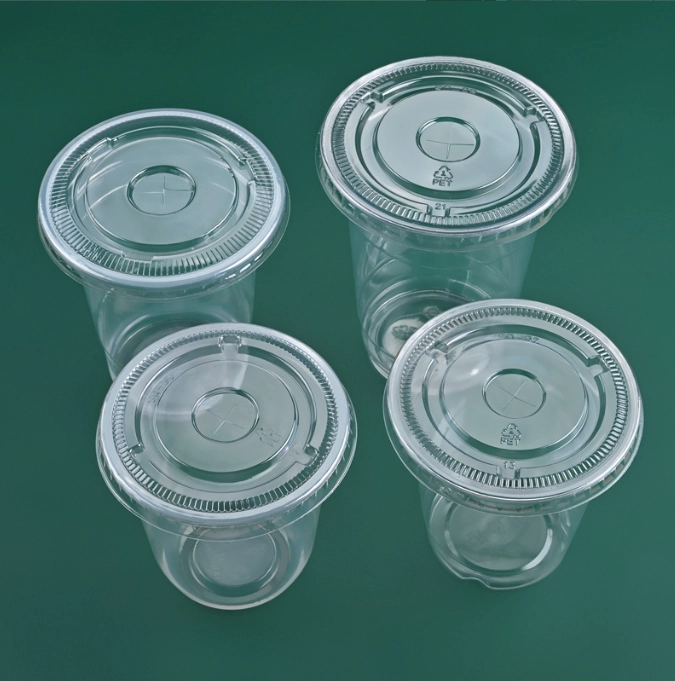
Thermoforming technology is a widely used manufacturing process that involves heating plastic sheets to a pliable temperature, forming them into specific shapes using molds, and then trimming them to create usable products. This method has revolutionized various industries by enabling the efficient production of lightweight, durable, and cost-effective plastic components. As industries increasingly look for economical and sustainable production methods, thermoforming continues to gain traction, particularly in packaging, automotive, healthcare, and consumer goods.
What Is Thermoforming?
Thermoforming refers to the process of shaping plastic materials by heating them until they become flexible, then forming them over molds to achieve the desired shape. After forming, the material is cooled and trimmed to its final specifications. This method is ideal for both small-batch custom production and high-volume manufacturing, offering versatility across numerous sectors.
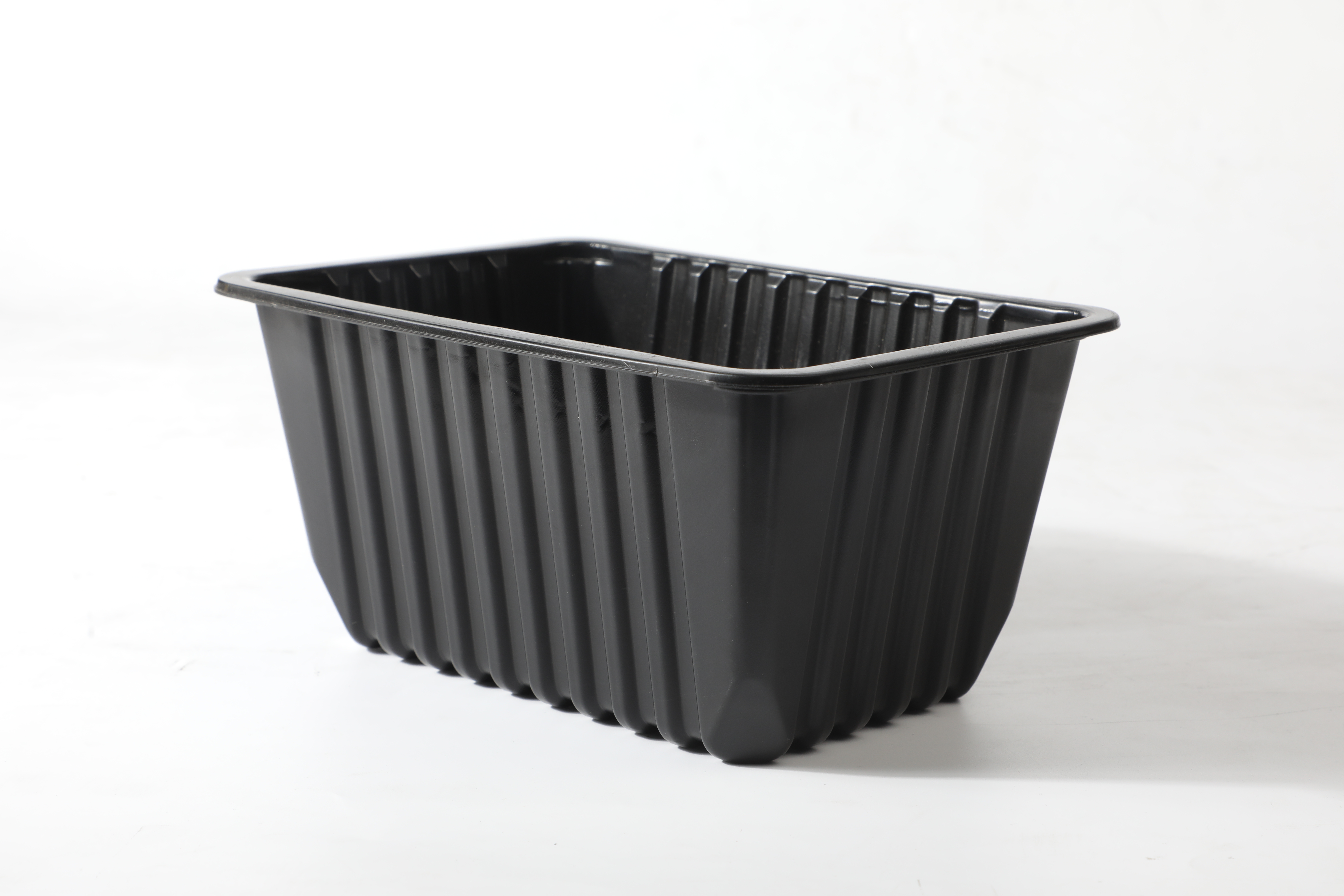
How Does Thermoforming Work?
Thermoforming follows a structured and efficient sequence that transforms a simple plastic sheet into a functional product.
Step 1 – Material Selection
The process begins with selecting an appropriate plastic material. Factors influencing material choice include mechanical strength, clarity, chemical resistance, thermal stability, and cost. Popular thermoforming materials include polystyrene (PS), polyethylene terephthalate (PET), polyvinyl chloride (PVC), and acrylonitrile butadiene styrene (ABS).
Step 2 – Heating and Uniform Temperature Distribution
The chosen plastic sheet is clamped into a frame and heated using radiant or contact heaters until it reaches a uniform forming temperature, typically between 250°F to 400°F (121°C to 204°C). Achieving even heating is critical for avoiding defects and ensuring consistent material thickness during forming.
Step 3 – Moulding
Once softened, the heated sheet is formed into shape using a mold. This step may involve:
Vacuum forming, where air is removed between the sheet and the mold
Pressure forming, where air pressure forces the sheet into finer mold details
Step 4 – Cooling and Trimming
The formed sheet is cooled, usually with fans or water, to solidify its shape. Once hardened, the excess material is trimmed away using CNC routers, dies, or other cutting tools, leaving behind the finished product.
Thermoforming Materials
Different materials offer varying performance characteristics. Selecting the right one depends on the product's end use.
Most Commonly Used Materials for Thermoforming
Polystyrene (PS): Cost-effective, easy to mold, used in food packaging
Polyethylene (PE): Good impact resistance, moisture barrier
Polypropylene (PP): High chemical resistance, flexible
Polyvinyl Chloride (PVC): Strong and rigid, good for industrial uses
Acrylonitrile Butadiene Styrene (ABS): Durable, used in automotive components
Polyethylene Terephthalate (PET): High clarity, used for display packaging
Comparison Table of Thermoforming Materials
| Material | Clarity | Impact Resistance | Chemical Resistance | Cost | Common Applications |
| PS | High | Low | Low | Low | Food containers |
| PE | Medium | High | Medium | Low | Industrial trays |
| PP | Low | Medium | High | Low | Medical packaging |
| PVC | Medium | Medium | Medium | Medium | Blister packs |
| ABS | Low | High | High | High | Automotive panels |
| PET | High | High | Medium | Medium | Retail packaging |
Types of Thermoforming
Two primary types of thermoforming processes are commonly used, each offering unique advantages depending on product complexity and desired detail level.
Vacuum Thermoforming
In vacuum thermoforming, the heated plastic sheet is pulled over a mold and vacuum pressure is applied to draw the sheet tightly against the mold. This technique is ideal for large parts with relatively simple geometries. It's commonly used in the production of packaging trays, clamshells, and refrigerator liners.
Pressure Thermoforming
Pressure thermoforming uses both vacuum and positive air pressure to force the heated sheet against the mold. This method achieves finer details and sharper corners, making it suitable for applications requiring high precision, such as instrument housings, vehicle dashboards, and medical enclosures.
Advantages of Thermoforming
Thermoforming offers numerous benefits:
Cost-effectiveness: Lower tooling costs compared to injection molding
Faster turnaround: Ideal for prototyping and small-batch production
Design flexibility: Easily accommodates design changes
Lightweight: Produces strong yet lightweight components
Material efficiency: Scrap material can often be recycled
Scalability: Suitable for both custom and high-volume production
Limitations of Thermoforming
Despite its benefits, thermoforming has some limitations:
Limited to thin-walled parts: Not ideal for very thick or complex internal geometries
Material waste: Trimming process can result in significant scrap
Lower precision: Less accurate than injection molding for extremely detailed components
Limited undercuts: Difficult to form parts with deep undercuts without specialized tooling
Applications of Thermoforming
Thermoforming technology is used across a wide range of industries due to its adaptability and cost advantages.
Packaging Industry
The most widespread application is in packaging, including:
Food containers
Blister packaging
Clamshell packs
Cosmetic trays
These products benefit from low material costs, clarity, and fast production speeds.
Automotive Industry
In the automotive sector, thermoforming is used to create:
Interior trims
Dashboard panels
Bumper components
Underbody covers
The lightweight nature of plastic reduces vehicle weight and enhances fuel efficiency.
Healthcare
Medical-grade thermoforming is vital for producing:
These applications demand precision, hygiene, and biocompatibility.
Consumer Goods
Thermoforming enables the production of diverse consumer products such as:
Luggage shells
Toys
Sporting goods
Appliance housings
Manufacturers appreciate the ability to quickly adjust designs and reduce product development time.
Thermoforming vs. Injection Moulding
While both processes involve shaping plastic, they serve different needs:
| Feature | Thermoforming | Injection Moulding |
| Tooling Cost | Low | High |
| Production Volume | Low to medium | Medium to high |
| Part Complexity | Moderate | High |
| Cycle Time | Short | Longer |
| Ideal for | Large parts with low detail | Small parts with intricate detail |
| Material Waste | More due to trimming | Less due to precise molding |
Conclusion
Thermoforming technology continues to be a powerful and flexible method for producing plastic components across industries. Its cost advantages, rapid prototyping capabilities, and compatibility with a wide range of materials make it an essential manufacturing technique. While it may not match injection molding in terms of precision, its ability to produce large, lightweight, and custom parts quickly gives it a strong edge in many applications.
As industries shift toward sustainability and shorter product development cycles, thermoforming is poised to play an even greater role in the future of manufacturing. With advancements in materials, machinery, and automation, this time-tested technology will remain relevant and innovative.
FAQs
Q: Is thermoforming environmentally friendly?
A: Yes, many thermoforming materials are recyclable, and scrap can often be reused, reducing environmental impact.
Q: What industries benefit most from thermoforming?
A: Packaging, automotive, healthcare, and consumer goods industries extensively use thermoforming for efficient and cost-effective production.
Q: Can thermoforming be used for custom designs?
A: Absolutely. Thermoforming is highly adaptable and ideal for prototyping and custom part development.
Q: How does thermoforming compare in cost to other methods?
A: Thermoforming generally offers lower tooling and startup costs than injection molding, making it more economical for low to medium production runs.
Q: What are the limitations of thermoforming?
A: It's best suited for simpler shapes and may not be ideal for parts requiring high precision or complex undercuts.
Q: Can I use any plastic for thermoforming?
A: No. Only specific thermoforming materials like PET, PS, PVC, PP, PE, and ABS are suitable based on their thermal and mechanical properties.
Q: What is the typical thickness of thermoformed plastic?
A: Thermoforming can accommodate plastic sheets from 0.125 mm to over 6 mm, depending on application requirements.
Q: How long does the thermoforming process take?
A: Production cycle time varies but is generally faster than many other plastic forming methods, especially for simple designs.


