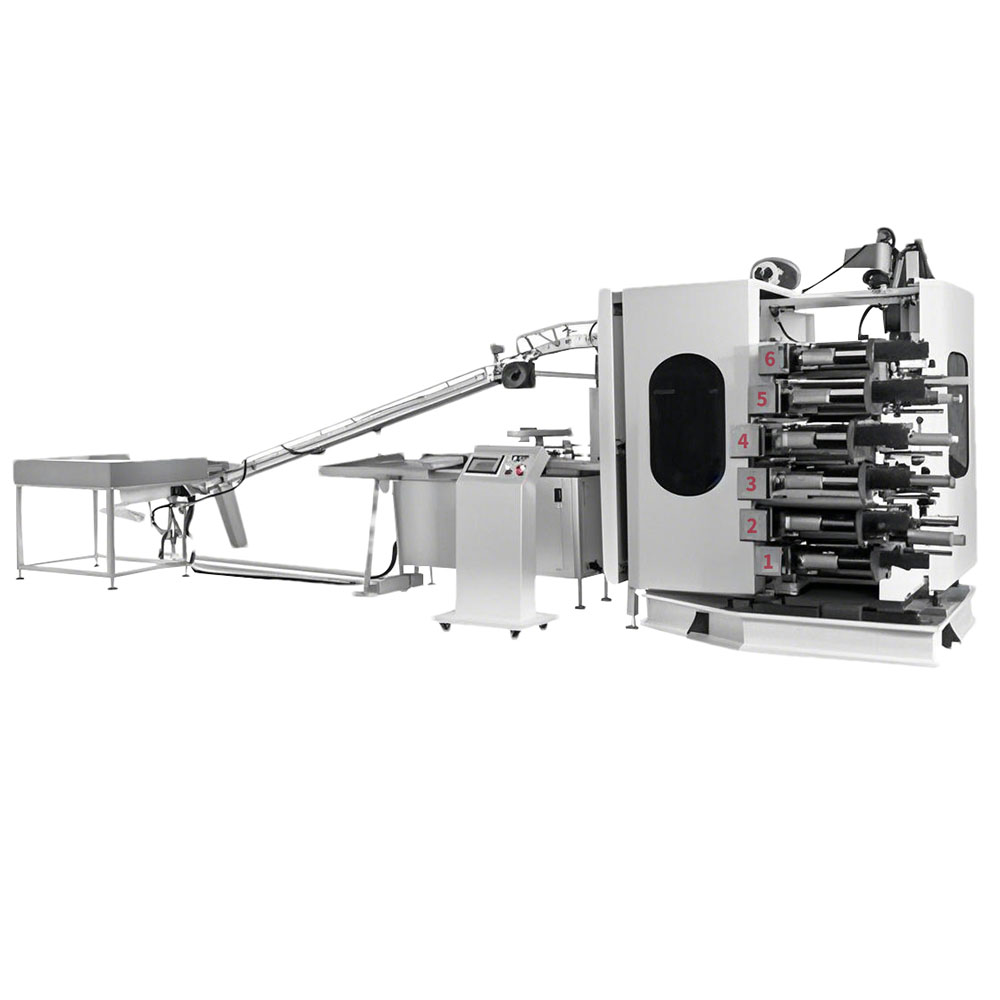
Screen printing is a widely used printing machine technique that has become popular in industries ranging from apparel to promotional products. This process involves transferring ink through a mesh screen onto various materials, including fabric, paper, plastics, and more. Over the years, screen printing has evolved to meet modern demands, integrating advanced printing machine technology for higher precision, efficiency, and versatility.
In this article, we will explore what screen printing is, how it works, the different types of printing machines used, and the benefits that make it an attractive option for businesses and creatives alike. We will also analyze data, compare products, and look at current trends influencing the use of screen printing today.
Understanding Screen Printing and Its Process
Screen printing, also known as silk screening or serigraphy, involves creating a stencil (or screen) and using it to apply layers of ink on the printing surface. Each color requires a separate screen, making it a meticulous but effective process for producing vivid, durable prints.
The basic steps include:
Creating the Screen: A mesh screen is coated with a light-sensitive emulsion.
Exposing the Screen: A design is printed onto a transparent film and placed on the screen, then exposed to light. The areas exposed to light harden, while the unexposed parts are washed away, creating the stencil.
Printing: Ink is pushed through the open mesh areas of the screen onto the material below using a squeegee.
Drying: The printed item is dried or cured to set the ink.
Types of Printing Machines Used in Screen Printing
There are various types of printing machines tailored for screen printing, each suited for different production scales and materials:
| Type of Printing Machine | Description | Best For |
| Manual Screen Printing Machine | Operated by hand, ideal for small runs and detailed work. | Small businesses, DIY projects |
| Automatic Screen Printing Machine | Uses automated arms and conveyor belts to print large volumes quickly. | Large-scale commercial printing |
| Semi-Automatic Screen Printing Machine | Combines manual setup with automated printing, balancing speed and control. | Medium-sized businesses |
| Cylinder Screen Printing Machine | Uses a rotating cylinder for continuous printing on curved surfaces like cups. | Printing on cylindrical items like cups, bottles |
The advancement of printing machines has made screen printing more accessible and efficient, contributing to its sustained popularity.
Benefits of Screen Printing
Screen printing offers numerous advantages compared to other printing methods such as digital printing or heat transfer. These benefits are essential for companies looking for durability, cost-effectiveness, and versatility.
1. Durability
Screen printing inks are generally thicker than other inks, making the prints more durable and resistant to fading. This is especially important for items like apparel or cups that undergo frequent washing or handling.
2. Vibrant Colors
The ability to lay down thick layers of ink produces vivid and vibrant colors. The opacity and richness of screen printed designs stand out, even on dark or textured surfaces.
3. Versatility
Screen printing works on a broad range of materials. Whether it's textiles, plastic cups, metal, glass, or wood, the process can be adapted to suit the substrate, making it highly versatile.
4. Cost Efficiency for Bulk Orders
While setup costs can be higher than digital printing, screen printing becomes extremely cost-effective for large quantities due to faster production speeds with automatic printing machines.
5. Customization
Screen printing allows for customization on unique items such as promotional cups, bags, and t-shirts. The variety of ink types—including plastisol, water-based, and specialty inks like metallic or glow-in-the-dark—adds to creative possibilities.
Screen Printing in the Modern Market: Data and Trends
To understand the importance of screen printing in today's market, let's review some data and current trends that highlight why businesses still rely on this method and how the printing machine industry is evolving.
Market Size and Growth
The global screen printing market was valued at approximately $10 billion in 2023.
It is expected to grow at a CAGR of 4.5% from 2024 to 2030, driven by demand from textile, packaging, and promotional product industries.
The surge in custom merchandise, including branded cups and apparel, has boosted screen printing demand.
Comparison of Screen Printing vs. Digital Printing for Promotional Products
| Feature | Screen Printing | Digital Printing |
| Setup Cost | Higher initial setup cost due to screen creation | Lower setup cost, ideal for small runs |
| Cost per Unit | Lower for large quantities | Higher for large quantities |
| Print Durability | Highly durable and resistant to fading | Less durable, may fade or peel over time |
| Color Quality | Vibrant and opaque, especially on dark substrates | Good, but less vibrant on dark materials |
| Material Compatibility | Works on various materials including cups and plastics | Limited to certain materials |
| Production Speed | Faster with automatic printing machines | Slower for large batches |
This data shows why many companies prefer screen printing for producing high-quality promotional cups and other branded merchandise in bulk.
Applications of Screen Printing: Why Choose Screen Printing for Cups?
Custom printed cups are a popular marketing tool for businesses, events, and retail products. Screen printing is especially suited for these applications due to the following reasons:
Curved Surface Printing: Special cylindrical printing machines allow for seamless printing on round objects like plastic, ceramic, or metal cups.
Long-lasting Branding: Screen printed cups can withstand frequent washing and handling without ink degradation.
Cost-effectiveness: For events or promotional campaigns needing thousands of branded cups, screen printing offers an affordable solution.
Ink Variety: Specialty inks such as UV-resistant or food-safe inks ensure compliance and durability.
Example: Comparing Printing Methods for Custom Cups
| Method | Cost for 1,000 Cups | Durability | Print Quality | Suitability for Curved Surfaces |
| Screen Printing | $1,200 | Excellent | High, vibrant colors | Excellent |
| Digital Printing | $1,800 | Moderate | Good | Moderate |
| Pad Printing | $1,000 | Good | Moderate | Good |
Screen printing stands out for its balance of cost, quality, and durability for cup printing, making it a preferred choice for businesses.
FAQs About Screen Printing and Printing Machines
What is a printing machine in screen printing?
A printing machine in screen printing is the equipment used to transfer ink through a mesh screen onto the substrate. It can be manual, semi-automatic, or fully automatic, designed to print on flat or curved surfaces like cups.
Can screen printing be used on cups?
Yes, screen printing is ideal for printing on cups due to specialized cylindrical printing machines that allow precise ink application on curved surfaces, ensuring durability and vibrant designs.
How durable are screen printed designs?
Screen printed designs are highly durable because the inks used are thick and often plastisol-based, which resist fading and wear even after multiple washes or heavy use.
What are the advantages of automatic printing machines?
Automatic printing machines increase production speed, reduce errors, and maintain consistent print quality, making them perfect for large-scale commercial printing.
How does screen printing compare to digital printing for bulk orders?
Screen printing is more cost-effective and produces more durable and vibrant prints for large quantities, while digital printing is better for small runs or designs with many colors and gradients.
Conclusion
Screen printing, combined with the right printing machine, remains a robust, versatile, and cost-efficient method for producing high-quality printed products. Whether it's a promotional cup, branded apparel, or specialty items, the benefits of screen printing—durability, vibrancy, and adaptability—make it a top choice for businesses worldwide.
The ongoing advancements in printing machine technology and eco-friendly materials ensure screen printing will continue to evolve, meeting the modern demands of both manufacturers and customers alike. Whether you are a small business or a large corporation, investing in screen printing capabilities offers a valuable way to deliver quality products that leave lasting impressions.


