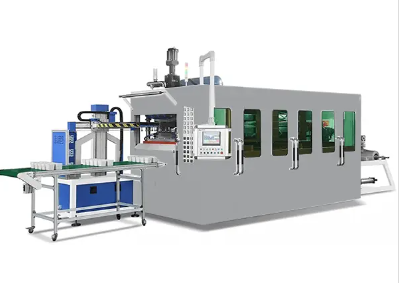
Plastic sheet extrusion is a highly efficient and versatile manufacturing process that produces plastic sheets in various sizes and thicknesses. It is widely used in the production of materials for packaging, construction, automotive, and other industries. This article will explore the key aspects of plastic sheet extrusion, including its process, types of machines, applications, and benefits.
Overview of plastic sheet extrusion
Plastic sheet extrusion is a continuous and automated process that involves melting plastic resin and forming it into a flat sheet. The process starts with feeding plastic pellets or flakes into a hopper, which are then conveyed into a heated barrel. Inside the barrel, the plastic material is melted and homogenized by a rotating screw. The molten plastic is then forced through a flat die, which shapes it into a thin and wide sheet. The extruded sheet is cooled and solidified by passing it through a series of rollers or cooling tanks. Finally, the sheet is trimmed, cut to size, and wound onto rolls or cut into sheets for further processing.
Types of plastic sheet extrusion machines
There are several types of plastic sheet extrusion machines available in the market, each designed for specific applications and materials. Some of the most common types include:
Single-screw extruder
The single-screw extruder is the most widely used type of plastic sheet extrusion machine. It consists of a single rotating screw, a barrel, and a die. The screw is responsible for melting, mixing, and conveying the plastic material, while the die shapes the molten plastic into a sheet. Single-screw extruders are suitable for processing a wide range of thermoplastic materials, such as PVC, ABS, PS, and PP.
Twin-screw extruder
The twin-screw extruder features two parallel screws that rotate in the same direction. It offers better mixing and compounding capabilities compared to the single-screw extruder. Twin-screw extruders are commonly used for processing materials that require high shear and intensive mixing, such as filled or modified plastics. They are often used in the production of engineering plastics, wood-plastic composites, and recycled plastics.
Calendering machine
The calendering machine is a type of plastic sheet extrusion machine that uses a series of rollers to form a plastic sheet. The plastic material is fed into the machine between the rollers, where it is compressed and stretched to the desired thickness. The calendering process is suitable for producing thin and flexible sheets, such as PVC film and vinyl.
Blown film extruder
The blown film extruder is a specialized plastic sheet extrusion machine that produces tubular film by blowing air into the extruded sheet. The process involves melting the plastic resin, forming it into a tube, and expanding it by blowing air. The blown film process is commonly used for producing packaging materials, such as plastic bags and stretch film.
Cast film extruder
The cast film extruder is another type of plastic sheet extrusion machine that produces flat film by casting the molten plastic onto a chilled roller. The cast film process is suitable for producing high-quality and uniform sheets with excellent optical and mechanical properties. It is commonly used for producing packaging films, lamination films, and medical films.
Applications of plastic sheet extrusion
Plastic sheet extrusion has a wide range of applications across various industries. Some of the most common applications include:
Packaging industry
Plastic sheets produced through extrusion are widely used in the packaging industry for making containers, trays, lids, and clamshells. These sheets are lightweight, durable, and can be easily formed into different shapes and sizes. They offer excellent barrier properties, protecting the contents from moisture, oxygen, and UV light.
Construction industry
In the construction industry, extruded plastic sheets are used for roofing, wall cladding, insulation, and flooring. These sheets provide excellent thermal insulation, soundproofing, and weather resistance. They are available in various colors, textures, and finishes, allowing for design flexibility and aesthetic appeal.
Automotive industry
Plastic sheets produced through extrusion are used in the automotive industry for interior and exterior applications. They are used for making dashboards, door panels, trims, and bumpers. These sheets are lightweight, impact-resistant, and can be easily molded and painted to match the vehicle’s design.
Medical industry
Extruded plastic sheets are used in the medical industry for manufacturing medical devices, equipment housings, and disposable products. These sheets are biocompatible, sterilizable, and can be easily thermoformed into complex shapes. They offer excellent chemical resistance, dimensional stability, and clarity.
Consumer goods industry
Plastic sheets produced through extrusion are used in the consumer goods industry for making toys, appliances, furniture, and electronic devices. These sheets are available in various colors, finishes, and textures, allowing for product differentiation and branding. They are lightweight, durable, and can be easily processed and recycled.
Benefits of plastic sheet extrusion
Plastic sheet extrusion offers several advantages over other manufacturing processes, making it a popular choice for producing plastic sheets. Some of the key benefits include:
High efficiency and productivity
The extrusion process is highly efficient and can produce large quantities of plastic sheets in a continuous manner. The use of advanced extrusion machines with high output capacities and automated controls ensures consistent quality and high productivity.
Cost-effectiveness
Plastic sheet extrusion is a cost-effective manufacturing process, especially for high-volume production. The use of raw materials is optimized, and the process requires minimal labor and energy inputs, resulting in lower production costs.
Versatility and flexibility
Plastic sheet extrusion offers a high degree of versatility and flexibility in terms of material selection, sheet size, thickness, and surface finish. It can accommodate a wide range of thermoplastic materials, including PVC, ABS, PS, PP, PET, and HDPE. The process can be easily adapted to produce sheets with different properties, such as transparency, color, texture, and gloss.
Environmental sustainability
Plastic sheet extrusion is an environmentally sustainable manufacturing process. It generates minimal waste and emissions, and the extruded sheets can be easily recycled or reused. Many extrusion machines are equipped with recycling systems that allow for the reprocessing of scrap material, reducing the environmental impact.
Conclusion
Plastic sheet extrusion is a highly efficient and versatile manufacturing process that produces plastic sheets in various sizes and thicknesses. It offers several advantages, including high efficiency, cost-effectiveness, versatility, and environmental sustainability. With the increasing demand for plastic sheets in various industries, the plastic sheet extrusion market is expected to continue growing in the coming years. By understanding the key aspects of plastic sheet extrusion, businesses can make informed decisions and capitalize on the opportunities offered by this dynamic and innovative manufacturing process.


