Screen printing and silk screen printing are often used interchangeably, but they are not the same thing. While both methods involve creating a stencil and using it to apply ink onto a surface, there are some key differences between the two.
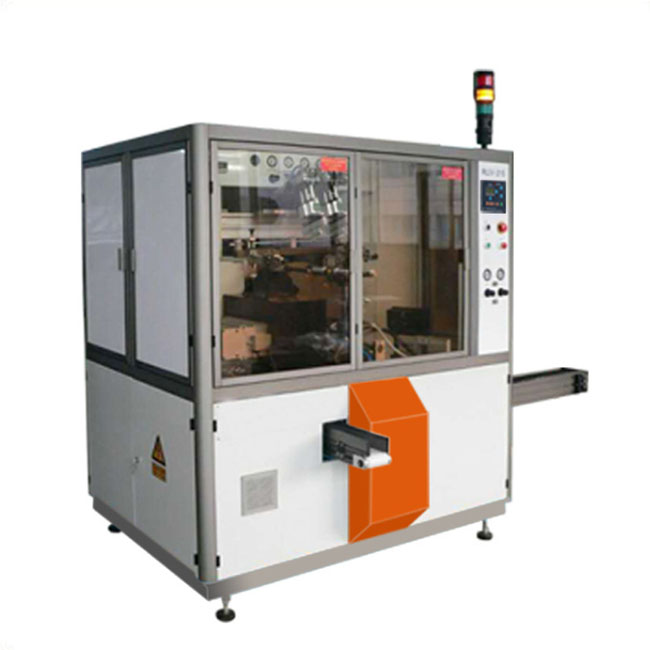
Screen printing is a modern version of silk screen printing that uses synthetic materials and machines to create the stencil and apply the ink. Silk screen printing, on the other hand, is a traditional method that uses natural materials and manual labor to create the stencil and apply the ink.
In this article, we’ll take a closer look at the differences between screen printing and silk screen printing, and help you decide which method is best for your needs.
What is screen printing?
Screen printing, also known as silkscreen printing, is a popular printing technique used to create designs on a variety of surfaces. The process involves creating a stencil, or screen, and using it to apply ink onto a substrate, such as fabric, paper, or plastic.
Screen printing is a versatile and cost-effective method of printing, making it a popular choice for creating custom t-shirts, posters, and other promotional items. The technique has been used for centuries, with its origins dating back to ancient China. However, it wasn’t until the 20th century that screen printing became a widely used printing method.
Today, screen printing is used in a variety of industries, from fashion and advertising to art and design. The process has evolved over the years, with the introduction of new materials and technologies that have expanded its capabilities and increased its efficiency.
One of the key advantages of screen printing is its ability to produce high-quality prints with vibrant colors and sharp details. The process involves pushing ink through a mesh screen, which allows for precise control over the amount of ink applied to the substrate.
Screen printing is also highly versatile, with the ability to print on a wide range of materials, including cotton, polyester, nylon, and even metal and wood. This makes it an ideal choice for creating custom products that require a high level of customization.
Overall, screen printing is a highly effective and versatile printing technique that has stood the test of time. Its ability to produce high-quality prints on a variety of surfaces has made it a popular choice for businesses and individuals alike.
What is silk screen printing?
Silk screen printing, also known as screen printing, is a printing technique that has been used for centuries to create designs on a variety of surfaces. The process involves creating a stencil, or screen, and using it to apply ink onto a substrate, such as fabric, paper, or plastic.
The technique gets its name from the fine silk mesh that was originally used to create the stencil, but today, synthetic materials are more commonly used. Silk screen printing is a versatile and cost-effective method of printing, making it a popular choice for creating custom t-shirts, posters, and other promotional items.
One of the key advantages of silk screen printing is its ability to produce high-quality prints with vibrant colors and sharp details. The process involves pushing ink through a mesh screen, which allows for precise control over the amount of ink applied to the substrate.
Silk screen printing is also highly versatile, with the ability to print on a wide range of materials, including cotton, polyester, nylon, and even metal and wood. This makes it an ideal choice for creating custom products that require a high level of customization.
Overall, silk screen printing is a highly effective and versatile printing technique that has been used for centuries to create stunning designs on a variety of surfaces. Its ability to produce high-quality prints with vibrant colors and sharp details has made it a popular choice for businesses and individuals alike.
Comparison of screen printing and silk screen printing
Screen printing and silk screen printing are two popular printing methods that are often used interchangeably. However, there are some key differences between the two that are important to understand.
Firstly, screen printing is a modern version of silk screen printing that uses synthetic materials and machines to create the stencil and apply the ink. Silk screen printing, on the other hand, is a traditional method that uses natural materials and manual labor to create the stencil and apply the ink.
Another difference between the two methods is the level of precision and control over the printing process. Screen printing allows for more precise control over the amount of ink applied to the substrate, as the ink is pushed through a mesh screen. Silk screen printing, on the other hand, can be more difficult to control, as the ink is applied directly onto the substrate.
In terms of cost, screen printing can be more expensive upfront, as it requires specialized equipment and materials. However, it can be more cost-effective in the long run, as it allows for larger quantities of prints to be produced at a lower cost per unit. Silk screen printing can be more affordable for smaller quantities, but the cost per unit can increase significantly for larger orders.
Finally, the two methods differ in terms of the types of materials that can be printed on. Screen printing is highly versatile and can be used on a wide range of surfaces, including fabric, paper, plastic, metal, and wood. Silk screen printing is more limited in terms of the materials that can be printed on, as it requires a flat surface to apply the ink.
Overall, both screen printing and silk screen printing are effective methods of creating high-quality prints on a variety of surfaces. The choice between the two will depend on factors such as cost, precision, and the types of materials being printed on.
Conclusion
In conclusion, while screen printing and silk screen printing are often used interchangeably, they are not the same thing. Screen printing is a modern version of silk screen printing that uses synthetic materials and machines to create the stencil and apply the ink.
Silk screen printing, on the other hand, is a traditional method that uses natural materials and manual labor to create the stencil and apply the ink. Both methods are effective at creating high-quality prints on a variety of surfaces, and the choice between the two will depend on factors such as cost, precision, and the types of materials being printed on.
Ultimately, understanding the differences between screen printing and silk screen printing can help you make an informed decision about which method is best for your needs.


