Introduction
Have you ever pondered how everyday plastic products, from drinking straws to intricate automotive parts, are manufactured? The answer lies in the versatile plastic extrusion machine, a cornerstone of the plastics industry. In this article, you'll delve into the world of plastic extrusion machines, exploring their uses, advantages, and impact on various industries.
Understanding Plastic Extrusion Machines
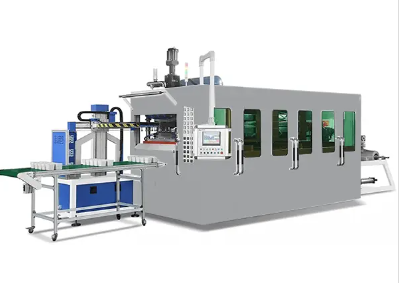
Plastic extrusion machines are specialized equipment used to create continuous profiles such as tubes, pipes, sheets, and films from thermoplastic materials. They work by melting raw plastic material and forming it into a continuous shape through a die. This process is essential for mass-producing uniform plastic products efficiently and cost-effectively.
Components of a Plastic Extrusion Machine
A typical plastic extrusion machine comprises several key components:
Hopper: Holds the raw plastic granules or pellets.
Barrel: A heated chamber where the plastic melts.
Screw: Rotating mechanism that moves and melts the plastic.
Die: Shapes the molten plastic into the desired profile.
Cooling System: Solidifies the extruded plastic.
Puller and Cutter: Draws and cuts the extruded product to length.
The Extrusion Process
The extrusion process involves several critical steps:
Feeding: Raw plastic material is fed into the hopper.
Melting: The screw pushes the plastic through the heated barrel, melting it.
Forming: Molten plastic is forced through the die, taking on its shape.
Cooling: The shaped plastic is cooled, typically using water or air.
Cutting: The continuous profile is cut into desired lengths.
Applications Across Industries
Plastic extrusion machines have a broad range of applications due to their ability to produce diverse products. Let's explore some of the industries that rely heavily on extrusion technology.
Construction Industry
In construction, extruded plastics are used for pipes, window frames, siding, and insulation materials. The durability and adaptability of extruded products make them ideal for building applications.
Manufacturers utilize plastic extrusion machine technologies to produce high-quality components that meet stringent industry standards.
Automotive Industry
Extruded plastics are essential in automotive manufacturing for producing door seals, dashboard components, and trim. The precision of extrusion ensures parts fit perfectly and perform reliably.
Packaging Industry
The packaging industry relies on extrusion for producing films, sheets, and wraps. These materials are vital for protecting goods and extending shelf life in the food and beverage sector.
Medical Industry
In the medical field, extruded plastics are used for tubing, catheters, and various disposable supplies. The ability to produce sterile and precise components is crucial for patient safety.
Advantages of Plastic Extrusion Machines
The popularity of plastic extrusion machines stems from numerous benefits:
Efficiency: High production speeds reduce manufacturing time.
Cost-Effective: Economical for large-scale production.
Versatility: Capable of processing various thermoplastics and additives.
Consistency: Produces uniform products with minimal variations.
Customization: Dies can be tailored for specific cross-sectional shapes.
Material Flexibility
Extrusion machines can process a wide range of thermoplastic materials including:
Advancements in Extrusion Technology
Technological advancements have significantly enhanced the capabilities of plastic extrusion machines.
Automation and Control Systems
Modern machines feature advanced automation, improving precision and reducing labor costs. Computerized controls allow for real-time monitoring and adjustments, ensuring optimal performance.
Energy Efficiency
Energy-efficient designs reduce operational costs and environmental impact. Innovations such as heat reclaim systems and improved insulation contribute to sustainability.
Multi-Layer Extrusion
Co-extrusion allows for multiple layers of different materials in a single product. This is particularly useful in packaging, where barrier layers can protect contents from moisture and oxygen.
Challenges and Solutions
While plastic extrusion machines offer many benefits, they also present challenges:
Quality Control
Maintaining consistent product quality requires precise control over processing conditions. Implementing rigorous monitoring systems helps detect and correct deviations promptly.
Material Selection
Choosing the right material is critical. Factors such as melt temperature, viscosity, and compatibility influence the extrusion process. Collaborating with material experts ensures optimal results.
Environmental Concerns
Environmental impact is a growing concern. Companies are investing in biodegradable materials and recycling methods to mitigate negative effects.
Case Study: Innovation in Plastic Extrusion
A leading manufacturer integrated IoT technology into their extrusion lines. Sensors collected data on temperature, pressure, and output rates, enabling predictive maintenance and minimizing downtime. This resulted in a 15% increase in productivity and a significant reduction in waste.
The Future of Plastic Extrusion
The future holds exciting possibilities:
3D Extrusion Printing: Merging extrusion with additive manufacturing for complex shapes.
Biodegradable Materials: Increased use of eco-friendly materials to reduce environmental impact.
Artificial Intelligence: AI-driven control systems for enhanced precision and efficiency.
Conclusion
The plastic extrusion machine is a vital tool in modern manufacturing, contributing significantly to various industries by providing efficient, cost-effective, and versatile production capabilities. Understanding its uses and advances helps businesses stay competitive and innovate in product development.
As technology progresses, plastic extrusion machines will continue to evolve, offering new opportunities and addressing challenges such as environmental sustainability and advanced material processing. Embracing these advancements will be key to future success in the manufacturing sector.
For manufacturers looking to invest in this technology, partnering with experienced suppliers and staying informed about industry trends will ensure they harness the full potential of plastic extrusion machines.


