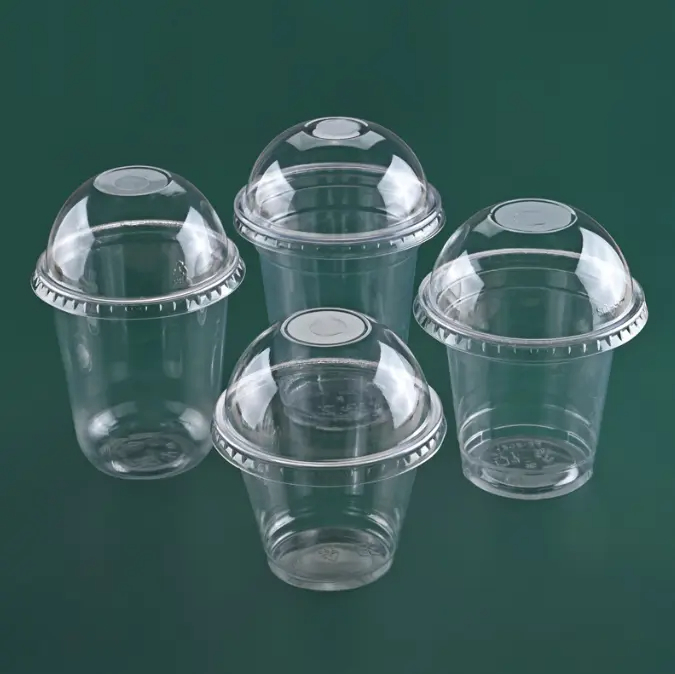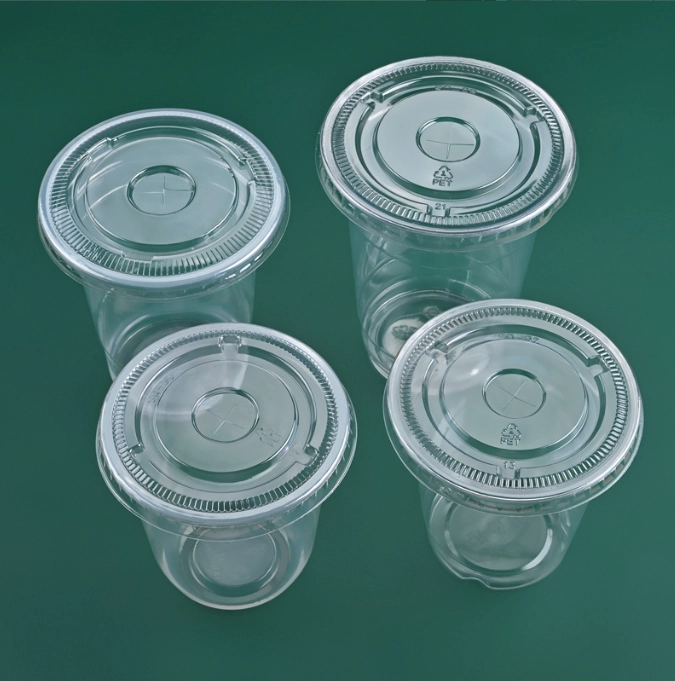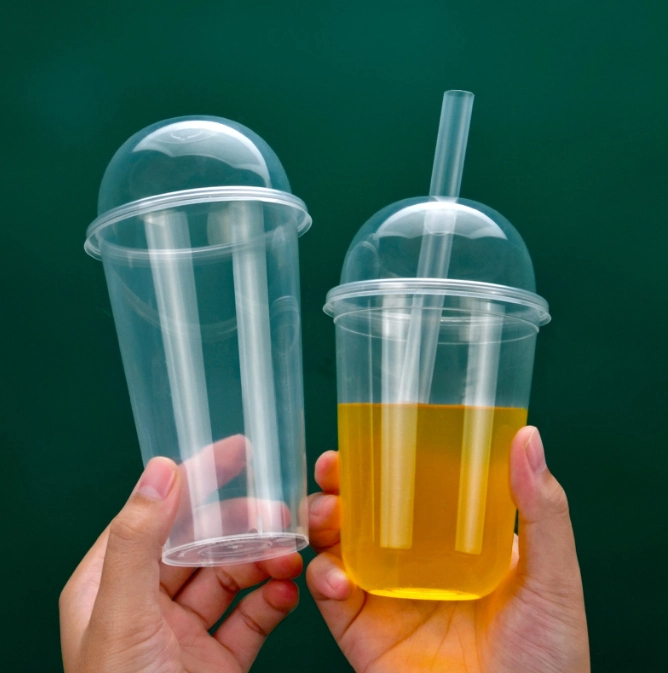
In today's fast-paced manufacturing environment, the demand for efficient and high-quality disposable plastic products has skyrocketed, especially in the food and beverage industry. Among these products, plastic cups are particularly prevalent due to their affordability, convenience, and versatility. The equipment that powers their mass production is the plastic cup thermoforming machine, an advanced piece of machinery engineered for high-volume output, precision, and sustainability. This article delves into the working principle of a plastic cup thermoforming machine, providing a comprehensive overview that includes its structure, key benefits, and the materials involved. With data-backed analysis and comparisons, we aim to deliver a resource-rich explanation relevant to industry professionals, manufacturers, and curious readers alike.
What is Plastic Cup Thermoforming
Plastic cup thermoforming is a manufacturing process that involves heating a plastic sheet to a pliable forming temperature, shaping it into a mold, and then trimming it to create a finished product. In this context, the end product is typically a disposable plastic cup used for beverages. Unlike injection molding, which injects molten plastic into molds, thermoforming uses heat and vacuum or pressure to shape the plastic.
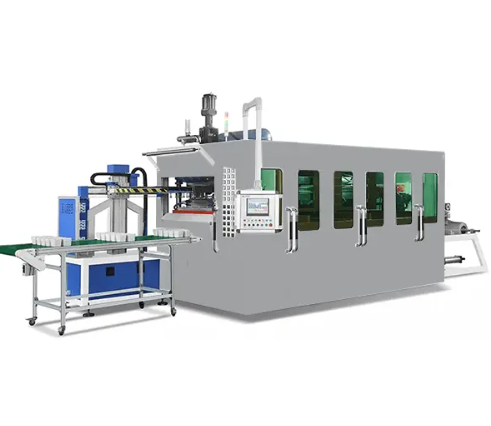
The term plastic cup thermoforming machine refers to the specialized equipment used to automate this process. These machines have revolutionized the plastic manufacturing industry, offering greater efficiency and uniformity.
There are two primary types of thermoforming:
Vacuum Forming – where vacuum pressure is used to pull the plastic sheet against the mold.
Pressure Forming – where both vacuum and additional air pressure are applied to achieve sharper detail and consistency.
Thermoforming is particularly advantageous for manufacturing plastic cups due to its low tooling costs, quick turnaround times, and the ability to form intricate designs and textures.
How Does Plastic Cup Thermoforming Machine Work
Understanding the working principle of a plastic cup thermoforming machine involves breaking down the entire process into several key stages:
1. Feeding
A roll of plastic sheet (typically polystyrene, polypropylene, or PET) is loaded into the feeding mechanism of the machine. The plastic sheet is unwound and moved forward incrementally to the heating station.
2. Heating
The plastic sheet passes through a series of infrared heaters or ceramic heating elements that gradually heat it to a malleable state, typically between 180°C and 230°C, depending on the type of plastic.
3. Forming
Once the plastic is heated uniformly, it is transferred to the forming station. Here, it is shaped into cups using a combination of a mold, vacuum suction, and in some cases, pressure. The mold determines the final shape and volume of the plastic cup.
4. Cooling
After forming, the cups need to be cooled rapidly to retain their shape. Cooling may involve air jets or water-cooled molds. The faster the cooling, the quicker the cycle time, improving productivity.
5. Trimming and Stacking
The formed cups are separated from the sheet using precision cutters or dies in the trimming station. The excess plastic, called trim scrap, is usually collected and recycled. The finished cups are then automatically stacked and packed for shipment or further processing.
6. Scrap Rewinding
Some machines are equipped with a rewinding system that collects and compacts the trim scrap for recycling, enhancing the sustainability of the operation.
Process Flow Summary Table
| Stage | Description |
| Feeding | Plastic sheet loaded and conveyed |
| Heating | Infrared or ceramic elements soften plastic |
| Forming | Vacuum/pressure shapes cup using molds |
| Cooling | Rapid cooling to solidify shape |
| Trimming | Excess plastic cut off; cups are isolated |
| Stacking | Finished cups automatically stacked |
| Scrap Rewind | Trim waste collected and recycled |
Key Components of a Plastic Cup Thermoforming Machine
The performance of a plastic cup thermoforming machine largely depends on its internal components. Below are the core parts:
Feeding System: Controls the roll stock feed rate and accuracy.
Heating System: Uses infrared or ceramic heaters to uniformly heat the plastic.
Forming Station: Contains molds and uses vacuum and/or pressure to shape the cups.
Cooling Unit: Ensures rapid temperature reduction to retain cup form.
Trimming Unit: Cuts the formed cups with high precision.
Stacking Mechanism: Automatically organizes finished products.
Scrap Collection System: Compiles leftover plastic for recycling.
Control Panel: Human-machine interface (HMI) for controlling all machine parameters.
Each component is meticulously designed for high-speed, consistent output, contributing to the overall efficiency of the plastic cup thermoforming machine.
Benefits of Using a Plastic Cup Thermoforming Machine
Investing in a plastic cup thermoforming machine comes with several significant advantages:
1. High Productivity
These machines are capable of producing thousands of plastic cups per hour, making them ideal for large-scale production facilities.
2. Cost-Efficiency
Due to low tooling and maintenance costs, thermoforming is more affordable than other plastic molding methods. Additionally, material waste is minimized and often recyclable.
3. Versatility
Machines can handle a variety of thermoplastics and are adaptable to different cup designs, sizes, and thicknesses.
4. Energy Efficiency
Modern machines are designed with energy-saving technologies like zone heating and rapid cooling systems.
5. Enhanced Quality Control
With precision molding and automated inspection systems, manufacturers can ensure uniformity and high quality across all units.
6. Sustainability
Recyclable materials and in-built scrap recycling systems make the process more environmentally friendly.
7. Advanced Automation
From feeding to stacking, the entire process can be automated, reducing labor costs and human error.
Materials Used in Plastic Cup Thermoforming
The choice of material directly impacts the quality and application of the final product. Below are the most commonly used plastics in plastic cup thermoforming machines:
| Material | Properties | Applications |
| Polystyrene (PS) | Rigid, clear, cost-effective | Cold drink cups, yogurt containers |
| Polypropylene (PP) | Heat-resistant, flexible | Hot drink cups, food containers |
| Polyethylene Terephthalate (PET) | High clarity, durable, recyclable | Cold beverage cups, packaging |
| Polylactic Acid (PLA) | Biodegradable, plant-based | Eco-friendly disposable cups |
Choosing the right material ensures that the thermoforming process is both efficient and produces durable, user-friendly products.
Conclusion
The plastic cup thermoforming machine stands as a cornerstone of modern plastic manufacturing. Through a combination of heat, pressure, precision engineering, and automation, these machines streamline the production of high-quality plastic cups used globally in various industries. As environmental concerns and efficiency demands grow, manufacturers continue to innovate within this field, pushing boundaries with new materials, energy-efficient designs, and enhanced automation.
Whether you're an industry newcomer or a seasoned professional, understanding the working principle of plastic cup thermoforming machines equips you with the knowledge to make informed decisions regarding equipment investment, production planning, and sustainability practices. With global demand rising for cost-effective and environmentally friendly disposable solutions, thermoforming technology is poised to remain a key player in manufacturing for years to come.
FAQs
Q1: What is the average production rate of a plastic cup thermoforming machine?
A: High-speed models can produce up to 30,000 cups per hour, depending on the size and complexity of the cup.
Q2: How energy-efficient are modern plastic cup thermoforming machines?
A: Newer models often include energy-saving features like zone-based heating, servo motors, and intelligent cooling systems that can reduce energy use by up to 30%.
Q3: Can these machines handle biodegradable materials?
A: Yes, machines can be configured to process biodegradable plastics such as PLA, provided the heating and forming parameters are adjusted accordingly.
Q4: What is the lifespan of a plastic cup thermoforming machine?
A: With proper maintenance, these machines can last between 10 to 15 years, offering long-term returns on investment.
Q5: Is operator training necessary?
A: Absolutely. While the machines are automated, understanding control panels, maintenance needs, and emergency protocols ensures safe and efficient operation.
Q6: How does it compare to injection molding in cost and speed?
A: Thermoforming is generally faster and cheaper for producing thin-walled items like plastic cups. Injection molding offers more precision but at higher tooling costs.
Q7: What kind of maintenance is required?
A: Regular maintenance includes cleaning heating elements, inspecting molds, checking for air leaks, and software updates to ensure optimal performance.
Q8: Can I switch cup designs frequently?
A: Yes, with modular tooling systems, many machines allow for quick changeovers between different molds and sizes.
Q9: What safety features are included in the machines?
A: Safety interlocks, emergency stop buttons, heat shields, and real-time monitoring systems are standard in most modern machines.
Q10: Are spare parts readily available?
A: Most manufacturers provide global support networks and readily available spare parts to minimize downtime.