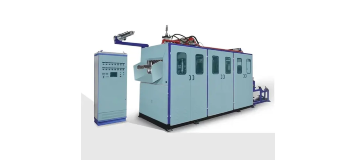
Thermoforming is a popular manufacturing process used to produce plastic products such as packaging, trays, containers, and various industrial parts. The process involves heating a flat plastic sheet until it becomes pliable, shaping it over or into a mold, and then trimming the excess material. One of the critical factors in ensuring a successful thermoforming process is determining the correct dimensions and geometry of the part before forming. These dimensions affect the part's functionality, material usage, cost efficiency, and overall quality.
In this comprehensive guide, we will walk through the essential factors that influence the determination of thermoforming dimensions, including the calculations and considerations required to optimize the process. We will also discuss how these elements are linked together to achieve high-quality results.
Why Determining Thermoforming Dimensions is Critical
Accurate dimensioning is crucial for achieving desired product quality, reducing material waste, and optimizing production costs. If the dimensions are not properly determined, issues such as uneven wall thickness, deformed parts, warping, or failed ejecting can arise, leading to product defects, costly rework, or increased scrap rates.
Thermoforming works by stretching a flat sheet of plastic into a 3D mold. The final dimensions of the formed part depend on factors such as the original sheet size, material thickness, mold shape, draw ratio, and processing conditions. Therefore, understanding how to calculate and control these dimensions is vital for ensuring that the final product meets the required specifications.
Key Concepts in Thermoforming Dimension Determination
1. Draw Ratio
The draw ratio is one of the most important concepts in determining thermoforming dimensions. It is the ratio between the area of the formed part and the original sheet area before forming. The draw ratio influences how much the plastic will stretch and how thin the material will become after being stretched into the mold.
The formula for calculating the draw ratio is:
Draw Ratio = (Area of the formed part) ÷ (Area of the original sheet)
A higher draw ratio means more stretching of the plastic, which in turn results in a thinner material. Understanding the draw ratio helps in determining the initial sheet thickness and ensuring the material has enough strength to withstand the forming process. For example, if the desired thickness for the finished part is known, the draw ratio can be used to estimate the required thickness of the original sheet before it is heated and formed.
To ensure the final part's dimensions are accurate, the initial sheet thickness is often calculated using the following formula:
Required Sheet Thickness = Draw Ratio × Desired Final Wall Thickness
This calculation gives a good starting point, but real-world thermoforming might require adjustments based on material properties, heating times, and mold geometry.
2. Part Geometry and Mold Design
The design of the part and the mold significantly affects the final dimensions of the product. For example, deep drawn parts will stretch more and may require different dimensional calculations compared to shallow, simple parts. Factors such as wall thickness, geometry, and mold design must all be considered.
Draft Angles: To facilitate the removal of the formed part from the mold, draft angles are incorporated into the mold design. A draft angle of 3° to 5° is typical for most parts, depending on the depth and complexity of the mold. A draft angle helps in minimizing friction between the mold and the part, ensuring that the part can be easily ejected without distortion.
Radii and Corners: Sharp corners in the mold can cause stress concentration in the formed plastic, leading to defects like tearing or thinning. It is essential to incorporate radii or rounded corners in the mold design to ensure even stretching of the plastic and reduce the chances of part failure. Large radii also help with better material flow during the forming process.
Undercuts: Undercuts are features in the part design where material is trapped in the mold and cannot be easily ejected. These should be avoided, as they complicate the demolding process. If undercuts are necessary, special mold features like collapsible cores or side actions must be used to facilitate ejection.
3. Material Properties and Thickness
The material chosen for thermoforming plays a significant role in determining the final dimensions of the product. Different materials have different stretch characteristics and shrinkage factors during the forming process. When determining the dimensions, it's important to account for the material's formability, shrinkage rate, and elastic properties.
Formability: Some materials, such as PET or PVC, are more stretchable and easier to form than others. Materials with higher formability will typically require a lower initial sheet thickness to achieve the desired final part thickness.
Shrinkage: During the cooling phase of thermoforming, most plastics shrink slightly. Shrinkage rates vary between different types of plastic and must be factored into the design. It's important to consider the material's shrinkage rate to ensure that the part will have the correct dimensions after cooling.
Wall Thickness: The material's wall thickness is directly related to the material's flow and the draw ratio. For thicker walls, the material will need to be stretched more, and for thinner walls, less material will need to be drawn. Controlling the initial sheet thickness is essential to achieving the right wall thickness for the finished part.
4. Trimming and Flash Considerations
Flash refers to the excess material that appears around the edges of the part after it has been formed. This is usually trimmed away in the subsequent step to achieve the final dimensions. Flash should be accounted for during the dimensioning process, as it adds to the overall sheet size.
The trimming operation typically removes the excess material and ensures the part meets the required final dimensions. However, this operation may slightly alter the geometry of the part, so it's essential to plan for this extra material when determining the original sheet size.
Step-by-Step Process for Determining Thermoforming Dimensions
Step 1: Define the Final Product Dimensions
Start by determining the final dimensions of the product. These include the length, width, height, and wall thickness of the part. The final product geometry is the reference for all other calculations, and understanding this will guide the entire dimensioning process.
Step 2: Calculate the Draw Ratio
Next, calculate the draw ratio, which helps determine how much the material will stretch during the forming process. The draw ratio is crucial for calculating the original sheet size and thickness.
For example, if the desired final wall thickness is 1mm and the calculated draw ratio is 3, the required sheet thickness would be:
Required Sheet Thickness = Draw Ratio × Desired Wall Thickness
Required Sheet Thickness = 3 × 1mm = 3mm
Step 3: Account for Mold Design Features
Factor in the design of the mold, including draft angles, parting lines, and the use of radii or corners. Ensure that the mold's geometry will allow for easy ejection of the part and that undercuts are avoided. Make adjustments to the dimensions as necessary based on these mold design elements.
Step 4: Consider Material Shrinkage and Formability
Account for the shrinkage of the material during the cooling phase. Different plastics have different shrinkage rates, so it's essential to include this factor when calculating the original sheet size. Use the manufacturer's guidelines or historical data for the specific material being used to determine the appropriate shrinkage factor.
Step 5: Add Flash Considerations
Ensure that you account for flash when determining the initial sheet size. Flash adds extra material that must be trimmed away, so including it in your calculations will help ensure that the final product matches the desired dimensions.
Step 6: Perform Trial Runs and Adjustments
Once the initial calculations are made, it's essential to perform trial runs to verify the dimensions and adjust accordingly. Thermoforming is a process that may require fine-tuning based on real-world conditions, such as material behavior, heat distribution, or mold precision.
Conclusion
Determining the correct dimensions for a thermoformed part is a critical step in ensuringhigh-quality, functional products. By carefully considering factors such as the draw ratio, part geometry, material properties, mold design, and trimming allowances, manufacturers can optimize the thermoforming process for consistent results.
For companies like ECI-Machinery, which specializes in advanced thermoforming machinery, understanding the importance of accurate dimensioning is key to delivering high-performance machines. Their experience in this area ensures that manufacturers can achieve precise, high-quality products while maintaining production efficiency and minimizing waste. With the right knowledge and tools, achieving perfect thermoformed dimensions is well within reach.


