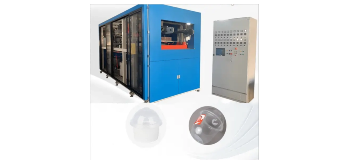
Proper maintenance of a PLA (polylactic acid) thermoforming machine mold is essential to ensure smooth production, high-quality output, and long-term durability of the machine. In the process of thermoforming, the mold plays a crucial role as it shapes the plastic material into the desired form. If the mold is neglected, it can lead to poor product quality, costly downtime, and a shortened mold lifespan. This article provides an in-depth guide on how to maintain a PLA thermoforming machine mold, outlining key tasks and best practices to keep the machine running efficiently.
Why Mold Maintenance Is Important
The mold is the heart of the thermoforming process. For PLA thermoforming, which is often used to create biodegradable plastic products such as trays, clamshell packaging, cups, and more, the mold determines the shape, finish, and dimensional accuracy of the finished product. If the mold is poorly maintained, it can result in product defects, production delays, and increased waste. Regular mold maintenance not only preserves its functionality but also extends its lifespan and helps maintain the quality of the products being manufactured.
Proper mold care is a proactive measure that prevents minor issues from escalating into costly repairs or replacements. By keeping the mold in optimal condition, you can ensure consistent product quality, reduce downtime, and maximize the efficiency of the thermoforming process.
Key Maintenance Tasks for PLA Thermoforming Molds
Effective mold maintenance consists of routine tasks that involve cleaning, inspection, lubrication, and proper storage. The following sections outline the essential maintenance activities that should be performed at regular intervals to maintain the mold’s condition.
Daily Maintenance (After Each Production Run)
After every production run or at the end of the day, it’s crucial to clean and inspect the mold to keep it in top shape for the next cycle.
Clean the Mold Thoroughly:
The first step in daily maintenance is cleaning the mold to remove any residual PLA film, dust, or debris. Use a soft cloth or soft-bristle brush to gently scrub the mold’s surface. Avoid using metal tools or abrasive materials that could scratch or damage the mold surface. Cleaning should be done immediately after production to prevent plastic residue from hardening and adhering to the mold.
Dry the Mold Completely:
After cleaning, ensure that the mold is thoroughly dried. Moisture left on metal molds can cause corrosion or rust, leading to mold degradation. Use a clean, lint-free cloth to dry the mold, and make sure there are no damp spots left on its surface.
Clear Vent Holes and Vacuum Channels:
If the mold uses vacuum or venting systems, check that the vacuum channels and vent holes are clear and free from blockages. Obstructions can lead to poor forming, such as air entrapment or incomplete draws, which could affect the quality of the molded parts.
Quick Visual Inspection:
Conduct a quick visual inspection of the mold to look for any obvious signs of wear or damage. Check the mold surfaces, edges, and any movable components for scratches, cracks, or buildup that could affect the mold’s performance. Catching small issues early on prevents bigger problems later.
These daily tasks ensure that the mold is ready for the next production cycle without risking contamination or defects.
Weekly Maintenance
In addition to daily cleaning, weekly maintenance focuses on deeper inspections and lubrication of moving parts to ensure smooth operation.
Inspect the Mold for Wear and Damage:
A detailed inspection should be done weekly to identify any signs of wear or damage. Look for cracks, deformations, or corrosion on the mold surfaces, cavities, or edges. Pay special attention to high-stress areas like mold inserts, ejector pins, and alignment components. If you spot any damage, schedule repairs immediately to avoid more significant problems during production.
Lubricate Moving Parts:
Many thermoforming molds have moving components, such as ejector pins, slides, and guide rails. These parts need to be lubricated regularly to reduce friction and prevent wear. Apply a suitable lubricant recommended by the mold manufacturer. Be cautious not to over-apply lubricant, as excessive lubricant can attract dirt or degrade over time, causing contamination.
Check Mold Fasteners and Mountings:
Over time, the vibration from production cycles can loosen fasteners, bolts, or clamps that secure the mold to the machine. Regularly check and tighten these components to ensure proper alignment and secure attachment to the machine. Loose or misaligned molds can lead to uneven forming or damage.
Inspect the Machine's Auxiliary Systems:
In addition to inspecting the mold, take time to check the other systems that support the thermoforming process. These include vacuum pumps, heating elements, pneumatic or hydraulic systems, and cooling systems. Ensure that all components are functioning properly, as malfunctioning auxiliary systems can negatively affect mold performance and product quality.
Weekly maintenance helps keep the mold and machine running smoothly, preventing issues that could cause production delays.
Monthly and Periodic Maintenance
Every month or after a certain number of production cycles, perform more in-depth maintenance tasks to keep the mold and machine in peak condition.
Full Mold Inspection and Cleaning:
Perform a more thorough inspection of the mold, including cavities, edges, vents, and movable components. Disassemble any parts that can be removed, such as inserts or ejector systems, and clean them as needed. Look for any signs of wear or potential failure points, such as micro-cracks or surface degradation, that may not be visible during a regular inspection.
Maintain Cooling and Vacuum Systems:
If the mold uses cooling or vacuum systems, inspect and clean the channels to prevent scaling or blockages. These systems are critical for maintaining consistent molding temperatures and ensuring efficient vacuum pressure. A blockage or malfunction can lead to uneven cooling or vacuum loss, resulting in poorly formed parts.
Calibrate Temperature, Pressure, and Vacuum Controls:
Check that all temperature controllers, pressure gauges, and vacuum systems are functioning properly. Incorrect temperature settings or pressure fluctuations can cause molding defects such as warping, surface imperfections, or inconsistent thickness. Regular calibration ensures that the thermoforming process is stable and reliable.
Check Electrical Components and Safety Systems:
Perform a check on the electrical systems of the machine, including safety interlocks, wiring, and control panels. Ensure that all safety systems are working properly to protect both the operator and the equipment. Any faults in electrical systems could lead to mold damage or unsafe working conditions.
Update the Maintenance Log:
After completing the inspection and maintenance tasks, update the maintenance log. Record what was checked, cleaned, or replaced. A detailed log helps track the mold’s performance over time and can serve as a reference for future maintenance and troubleshooting.
Long-Term Maintenance (Annual Overhaul)
An annual or long-term overhaul is necessary to keep the mold and machine operating at their best.
Comprehensive Mold Inspection:
At least once a year, perform a thorough inspection of the entire mold, including all cavities, components, and movable parts. Disassemble the mold if necessary to inspect hidden areas. Check for any signs of fatigue, cracks, or material degradation. This is also a good time to check and replace any worn-out inserts or critical parts.
Replace Worn Parts:
During the overhaul, identify any parts that show significant wear or damage and replace them with new ones. Pay special attention to ejector pins, guide rails, inserts, and fasteners, which experience the most stress during production. Proactively replacing these components reduces the risk of sudden failures and improves production reliability.
Polish or Refurbish Mold Surfaces:
For molds that require high precision or have strict surface finish requirements, consider polishing or refurbishing the mold cavities to remove any imperfections or signs of wear. Over time, mold surfaces can degrade, and polishing helps restore them to their original smoothness.
Review Performance and Adjust Maintenance Schedules:
Take time to review the mold’s performance history and identify any recurring issues. If you notice patterns of wear or frequent maintenance tasks, adjust your maintenance schedule accordingly. This proactive approach can help extend the mold’s service life and improve production efficiency.
Best Practices for Mold Maintenance
Use Proper Cleaning Materials
Always use mold-safe cleaning agents and soft cloths or brushes. Avoid using abrasive materials, harsh chemicals, or metal scrapers that can damage the mold surface. Stick to recommended cleaners to preserve the integrity of the mold.
Lubricate Moving Parts Correctly
Lubricating the moving components of the mold is essential for reducing wear and preventing malfunction. Always use the proper type of lubricant and avoid over-lubricating. Too much lubricant can attract dust or degrade over time, causing contamination.
Prevent Moisture and Rust
After cleaning the mold, ensure it is thoroughly dried. Moisture left on metal parts can cause rust, which will damage the mold and impact the quality of the molded products. Store the mold in a dry, temperature-controlled environment to prevent moisture accumulation.
Monitor Temperature, Pressure, and Vacuum Systems
Regularly calibrate the temperature, pressure, and vacuum systems of the thermoforming machine to ensure consistency. Even slight deviations in these parameters can lead to defects in the molded products. Consistency is key to achieving high-quality results.
Regular Inspection and Timely Repairs
Perform regular inspections of the mold to identify any signs of wear or damage. Address issues promptly to avoid further deterioration. Small problems, if left unattended, can lead to larger, more costly repairs later on.
Conclusion
Maintaining a PLA thermoforming machine mold is crucial for ensuring high-quality production, reducing downtime, and extending the mold’s lifespan. By following a structured maintenance schedule that includes regular cleaning, lubrication, inspection, and calibration, you can ensure that your mold remains in excellent condition, reducing the risk of defects and optimizing the thermoforming process.
By adopting a proactive maintenance approach and addressing potential issues early, you will improve product quality, enhance machine performance, and save on costs in the long term. Mold maintenance is not just a task, but a strategy to ensure the success and profitability of your production operations.


