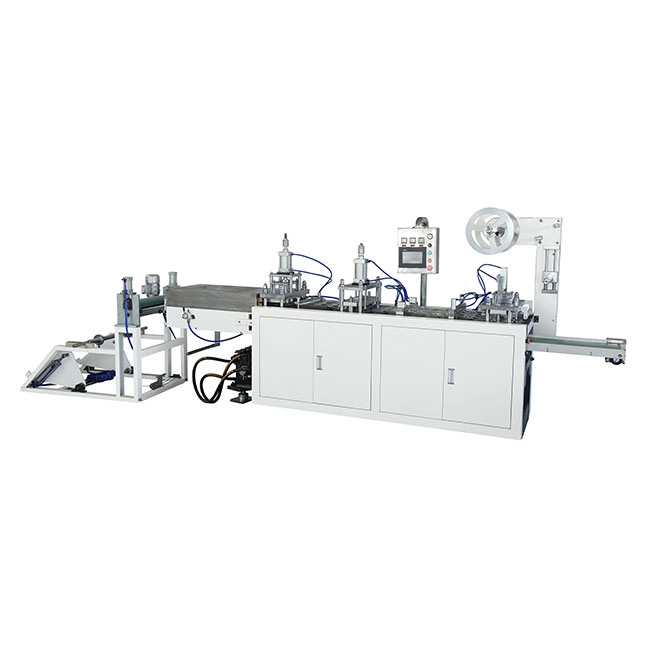
Ever wondered how everyday plastic items get their shape? Thermoforming processes are the answer. Understanding these techniques is crucial for selecting the right method for your project. In this post, you'll learn about vacuum forming, pressure forming, and general thermoforming, exploring their differences and applications.
What is Thermoforming?
Definition and Process Overview
Thermoforming is a manufacturing process where a plastic sheet is heated until it becomes soft and pliable. Once heated, the sheet is stretched over or into a mold and held in place as it cools down, taking the shape of the mold. This broad technique covers various methods, including vacuum forming and pressure forming, which differ mainly in how the plastic is pressed onto the mold.
The process starts by clamping a plastic sheet into a frame. Heat is applied until the sheet reaches the ideal temperature for forming. Then, depending on the method, either vacuum pressure pulls the sheet tightly over the mold or air pressure pushes it firmly into place. After cooling, the shaped plastic is trimmed and finished for its intended use.
Common Applications of Thermoforming
Thermoforming is popular across many industries because it efficiently produces large, lightweight, and cost-effective parts. Some typical applications include:
Automotive: Interior panels, dashboards, door liners, and cup holders.
Medical: Equipment housings, trays, and protective packaging.
Packaging: Food containers, blister packs, and clamshell packaging.
Aerospace: Interior components and protective covers.
Consumer Products: Appliance housings, signage, and display cases.
Its versatility makes it ideal for creating both simple and moderately complex shapes.
Advantages and Disadvantages
Thermoforming offers several benefits:
Low Tooling Costs: Usually requires only a single-sided mold, reducing initial expenses.
Fast Production: Quick heating and forming cycles enable rapid turnaround.
Large Part Capability: Easier to produce bigger components compared to other methods.
Material Efficiency: Compatible with many thermoplastics, allowing selection based on strength, flexibility, or clarity.
Design Flexibility: Mold inserts can be swapped to create different styles or versions.
However, it has some limitations:
Detail Limitations: Compared to injection molding, thermoforming may not capture very fine details or sharp edges.
Material Thickness Variations: Stretching can cause uneven thickness, especially on complex shapes.
Geometry Constraints: Undercuts and highly intricate designs are challenging or impossible.
Higher Per-Part Cost: For very high volumes, other methods like injection molding might be more cost-effective.
Overall, thermoforming strikes a balance between cost, speed, and design complexity, making it a go-to choice for many plastic parts that don’t require extreme precision or detail.
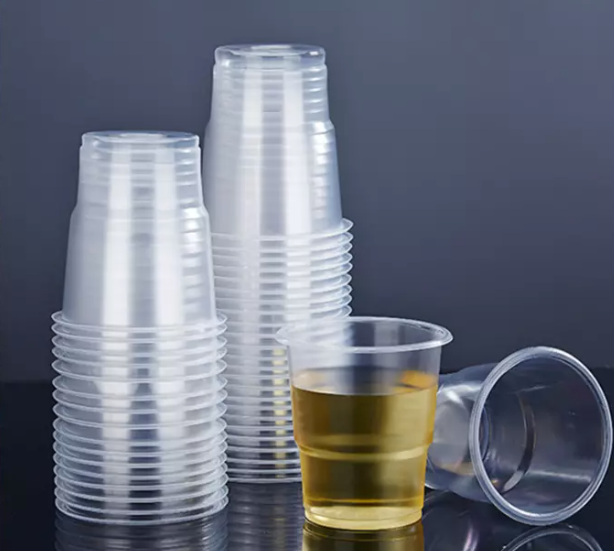
Understanding Vacuum Forming
Step-by-Step Vacuum Forming Process
Vacuum forming is a straightforward yet effective way to shape plastic. First, a plastic sheet is clamped into a frame. Then, it's heated until soft and flexible. Once pliable, the heated sheet is lowered over a mold. A vacuum pump removes the air between the sheet and mold, pulling the plastic tightly against the mold's surface. This suction helps the plastic take the mold’s shape accurately. After cooling, the plastic hardens, and the formed part is removed. Finally, any excess material is trimmed away, leaving the finished product.
Materials Used in Vacuum Forming
Vacuum forming works best with thermoplastics that soften when heated but harden upon cooling. Common materials include:
High Impact Polystyrene (HIPS): Affordable, impact-resistant, and easy to form.
Polycarbonate (PC): Strong, heat-resistant, and clear; good for durable parts.
Acrylonitrile Styrene Acrylate (ASA): Weather-resistant, excellent for outdoor use.
Polyethylene Terephthalate Glycol (PETG): Clear, tough, and food-safe.
Polyvinyl Chloride (PVC): Rigid and durable for various applications.
These plastics are chosen depending on the product’s needs, such as strength, clarity, or flexibility.
Typical Applications and Benefits
Vacuum forming is popular because it’s cost-effective and fast. It’s ideal for producing shallow, simple shapes with moderate detail. You’ll find vacuum-formed parts in:
Packaging: Blister packs, clamshells, and trays.
Automotive: Interior panels, liners, and dashboard covers.
Retail Displays: Point-of-sale stands and signage.
Medical: Trays, equipment housings, and protective covers.
Agriculture: Plastic components for machinery.
The benefits include low tooling costs because it uses single-sided molds and fast production cycles. It also allows for large parts that might be difficult or expensive to produce with other methods. However, vacuum forming has limits on fine detail and sharp edges since the vacuum pressure is less intense than other methods.
This process suits projects where cost and speed matter more than intricate detail. It’s a practical choice for many industries that need durable, lightweight plastic parts made quickly and affordably.
Exploring Pressure Forming
Detailed Pressure Forming Process
Pressure forming is an advanced thermoforming technique that builds upon the vacuum forming process by adding positive air pressure to shape the plastic sheet. First, a plastic sheet is clamped into a frame and heated until it becomes soft and pliable. Then, the heated sheet is positioned over a mold, which is usually female (concave) to capture fine details. Unlike vacuum forming, where suction pulls the plastic onto the mold, pressure forming applies compressed air from above the sheet. This air pressure pushes the plastic firmly and evenly against the mold’s surface. Meanwhile, a vacuum may still be applied beneath the sheet to assist in removing trapped air and ensuring full contact. The combination of vacuum and positive pressure allows the plastic to conform tightly to the mold, capturing intricate textures and sharp details. Once cooled, the plastic hardens and is removed for trimming and finishing.
This process often uses higher air pressures—up to five times stronger than vacuum forming—enabling the creation of parts with finer detail, tighter radii, and better surface finishes. Pressure forming can handle complex shapes and deeper draws than vacuum forming, making it suitable for parts that require both precision and aesthetic appeal.
Materials Suitable for Pressure Forming
Pressure forming works well with a wide range of thermoplastics, often including thicker sheets than those used in vacuum forming. Common materials include:
Acrylonitrile Butadiene Styrene (ABS): Known for impact resistance, toughness, and a smooth finish.
Polycarbonate (PC): Offers high strength, heat resistance, and clarity.
High Impact Polystyrene (HIPS): Affordable and easy to form, suitable for many applications.
Polyethylene Terephthalate Glycol (PETG): Clear, tough, and food-safe.
Polyvinyl Chloride (PVC): Rigid and durable, good for protective covers.
Ethylene Vinyl Acetate (EVA): Flexible and UV resistant, used for outdoor applications.
Because pressure forming allows for thicker sheets, it produces parts that are generally stronger and more rigid. This makes it ideal for durable housings, automotive components, and medical device enclosures.
Advantages Over Other Forming Techniques
Pressure forming stands out for several reasons:
High Detail and Texture: The positive air pressure enables replication of fine mold details, including textures, logos, and sharp edges, rivaling injection molding quality.
Better Thickness Distribution: The added pressure helps maintain more uniform material thickness, reducing weak spots common in vacuum-formed parts.
Aesthetic Surface Finish: It can produce smooth, glossy, or textured surfaces straight from the mold, often eliminating the need for post-processing like painting.
Larger Part Capability: Pressure forming can accommodate large components with complex shapes, useful in automotive and aerospace sectors.
Cost-Effective for Medium Runs: While tooling costs are higher than vacuum forming, pressure forming remains less expensive than injection molding for moderate production volumes.
Faster Cycle Times Compared to Injection Molding: The process heats and forms sheets quickly, allowing relatively fast production.
Overall, pressure forming is a versatile and efficient method when you need high-quality, detailed parts without the high cost and complexity of injection molding. It bridges the gap between simple vacuum formed parts and more complex molded components, making it a popular choice across many industries.
Comparing Vacuum Forming and Pressure Forming
Key Differences in Processes
Vacuum forming and pressure forming both start by heating a plastic sheet until it becomes soft. The key difference lies in how the plastic is pressed onto the mold. Vacuum forming uses suction to pull the plastic tightly against the mold by removing air from between the sheet and mold. This creates a vacuum that shapes the plastic but applies relatively low pressure.
Pressure forming, however, combines vacuum suction beneath the sheet with positive air pressure above it. This higher pressure pushes the plastic firmly into every contour of the mold. The pressure can be up to five times greater than in vacuum forming, allowing the plastic to capture finer details and sharper edges. Also, pressure forming often uses female molds (concave), whereas vacuum forming commonly uses male molds (convex). This difference in mold type helps pressure forming achieve better surface finishes and more intricate shapes.
Cost Implications and Efficiency
Vacuum forming generally costs less due to simpler tooling and lower pressure requirements. The molds are lighter and less expensive, making vacuum forming ideal for small to medium production runs or projects where budget is tight. The process is also faster because it involves fewer steps and less force, allowing quick turnaround times for large parts.
Pressure forming requires stronger, more robust molds and equipment to handle the higher air pressure. This increases tooling costs and setup time. However, it remains more affordable than injection molding for medium-volume runs requiring detailed parts. Despite the higher initial investment, pressure forming can reduce post-processing costs by producing parts with high-quality finishes straight from the mold.
Detail and Texture Capabilities
Vacuum forming excels at producing large, simple shapes quickly but struggles with fine details. The vacuum pressure is limited, so the plastic sheet may not fully conform to intricate mold features. This results in smoother, rounded edges rather than sharp lines and less ability to replicate textures or logos.
Pressure forming shines in detail and texture reproduction. The added air pressure forces the plastic into every crevice of the mold, capturing textures, text, and sharp edges with precision. This makes it suitable for applications demanding aesthetic appeal or functional surface features, such as medical device housings, automotive interior panels, and retail displays. Additionally, pressure forming achieves better material thickness distribution, reducing weak spots common in vacuum-formed parts.
| Feature | Vacuum Forming | Pressure Forming |
| Pressure Applied | Vacuum suction only | Vacuum suction + positive air pressure |
| Mold Type | Usually male (convex) | Usually female (concave) |
| Tooling Cost | Lower | Higher |
| Production Speed | Faster | Slightly slower |
| Detail Level | Moderate, limited sharpness | High, sharp edges and fine textures |
| Material Thickness | Thinner sheets, uneven in spots | Thicker sheets, more uniform |
| Typical Applications | Packaging, trays, simple panels | Medical devices, automotive parts, textured panels |
Choosing the Right Method for Your Project
Factors to Consider: Detail, Cost, and Volume
When selecting between vacuum forming, pressure forming, or general thermoforming, several key factors come into play. First, consider the level of detail your project requires. Pressure forming excels at capturing fine textures, sharp edges, and intricate designs thanks to the combination of vacuum and positive air pressure. If your part demands high precision or a premium surface finish, pressure forming is often the better choice. Conversely, vacuum forming suits simpler shapes where moderate detail suffices, offering a cost-effective route without the need for complex tooling.
Cost is another crucial factor. Vacuum forming typically involves lower tooling and equipment expenses since it uses lighter molds and less force. This makes it ideal for small to medium production runs or projects with tight budgets. Pressure forming, while more expensive upfront due to sturdier molds and higher air pressure requirements, can be more economical than injection molding for medium volumes needing fine detail. Thermoforming, as a broader category, offers flexibility depending on the specific process and materials chosen.
Production volume also influences the decision. Vacuum forming often allows faster cycle times, making it suitable for larger quantities of relatively simple parts. Pressure forming cycles may be slightly longer due to the higher pressures and more robust molds but produce parts with superior quality and consistency. For very high-volume production, injection molding might be more cost-effective, but thermoforming methods provide faster tooling and lower initial costs for prototyping or limited runs.
Industry-Specific Applications
Different industries favor certain forming methods based on their unique requirements. For example, the automotive sector often uses pressure forming for interior panels and components that need sharp detail and durability. Medical device manufacturers prefer pressure forming to create housings and trays with precise dimensions and smooth finishes. Packaging companies lean heavily on vacuum forming for blister packs and trays due to its speed and cost-effectiveness.
In aerospace, pressure forming is chosen for complex interior components requiring tight tolerances, while vacuum forming may be used for less critical parts. Retail displays and signage frequently utilize vacuum forming for its ability to quickly produce large, visually appealing shapes at low cost. Agricultural machinery parts might be thermoformed using either method depending on strength and detail needs.
Consulting with Experts for Optimal Results
Choosing the right thermoforming technique can be complex, especially when balancing design, budget, and production goals. Collaborating with experienced manufacturers or design engineers ensures the best method is selected. They can help assess material compatibility, mold design, and process parameters to optimize quality and cost.
Experts often recommend prototyping using vacuum forming for initial designs due to its speed and low cost. If the prototype meets requirements but demands more detail or strength, pressure forming can be explored for final production. Additionally, they can advise on additives or surface textures to enhance part performance or aesthetics.
By engaging specialists early, you avoid costly mistakes and ensure your project achieves the desired balance of detail, durability, and budget. Whether producing automotive parts, medical devices, packaging, or consumer goods, expert guidance helps align thermoforming choices with your product’s success.Thermoforming, vacuum forming, and pressure forming are distinct plastic shaping methods. Vacuum forming uses suction for simple shapes, while pressure forming employs additional air pressure for detailed designs.
Conclusion
Thermoforming encompasses both, offering flexibility. Wenzhou Yicai Machinery Technology Co.LTD. provides innovative solutions, ensuring high-quality, cost-effective, and durable products. As thermoforming technology evolves, expect advancements in precision and material efficiency, enhancing product capabilities.
FAQ
Q: What is thermoforming?
A: Thermoforming is a manufacturing process where a plastic sheet is heated and molded into a specific shape.
Q: What are common applications of thermoforming?
A: Applications include automotive parts, medical equipment, packaging, aerospace components, and consumer products.
Q: How does vacuum forming differ from pressure forming?
A: Vacuum forming uses suction to shape plastic, while pressure forming uses both suction and positive air pressure for finer details.
Q: What factors influence the choice of forming method?
A: Consider detail requirements, cost, production volume, and industry-specific needs.


